
Viral Walt Disney World “Four Parks One Day” videos are fun to watch. Fast cuts, big reactions, and nighttime fireworks make it look like the perfect Disney challenge. For many normal visitors though, copying those days exactly can feel miserable instead of magical.
This article is a gentle reality check on the Disney challenge trend. We will walk through what challenge style videos usually skip, the hidden tradeoffs that matter for family travel, and a few kinder templates you can use to design a challenge that still feels special without wrecking the rest of your trip.
Key Takeaways
- Most Four Parks One Day challenge videos compress a very long, tiring day into a short highlight reel.
- The hidden costs are real: long transfers, skipped meals, little rest, and decision fatigue for the whole group.
- You can keep the fun of a Disney challenge by setting gentler rules, planning transit on purpose, and leaving room for rest.
- Use our Walt Disney World transit guides and challenge planning resources to turn an intense trend into a practical trip planning tool.
When This Kinder Disney Challenge Guide Helps You
This guide is for you if:

- You enjoy watching Four Parks One Day or other Disney challenge videos and are curious whether your family could try something similar.
- You have Park Hopper tickets and want to use that flexibility without dragging everyone through a 16 hour marathon.
- You like thoughtful theme park strategy and honest Disney advice more than pure bragging rights.
It assumes you are visiting Walt Disney World with a mixed group. Maybe you have kids, grandparents, mobility needs, or just a limited tolerance for crowds and heat. You want a memorable “we did it” moment, but not at the expense of the rest of the vacation.
What Four Parks One Day Videos Usually Skip
Creators are honest that challenge days are hard, but the edit naturally hides a lot of the friction. Here are the most common patterns you rarely see in full.
Transit Time Hiding Between Cuts
In a ten or twenty minute video, a park hop looks like this: fireworks, quick monorail shot, then suddenly the castle or the Tree of Life. In real time, those moves often involve:
- Walking out of the park and through security.
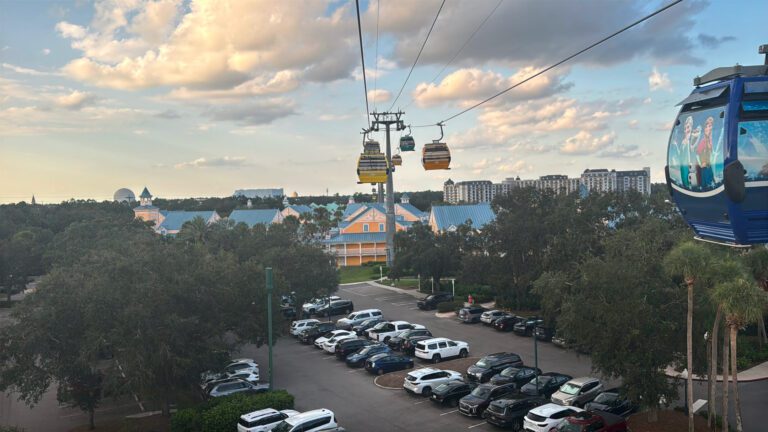
- Waiting for a monorail, Skyliner cabin, boat, or bus.
- Riding, walking again, and tapping into the next park.
On a Four Parks One Day route, you can easily spend 90 minutes to two hours just on transfers if you are not careful. That might be fine for adults who are excited by the challenge. It is very different with a stroller, a midday thunderstorm, or a kid who hates buses.
We built our own Disney World transportation pillar to help with this part of planning. If you want a deeper transit map, open Getting Around Disney World… Monorail, Skyliner, Buses, Boats in another tab while you read so you can see how your hops will really work.
Meals That Turn Into Snacks
Challenge videos often show great food, but notice how often it is a single snack, shared entrees, or “we forgot to eat until 3 pm.” Skipping real meals is one of the biggest hidden tradeoffs.
On camera, that looks like a fun sprint between rides. In real life, low blood sugar makes everyone less patient in lines, less excited about fireworks, and more likely to crash early. For family travel, the best theme park strategy is almost always to protect mealtimes and water breaks, then fit rides and challenges around them.

Rest, Weather, And Real Bodies
Many all day challenge videos include a step count at the end. It is not unusual to see 30,000 or more steps on a four park route. Our own Four Parks One Day feature landed at 34,051 steps and roughly 15 miles of walking, and that was with careful transit planning.
In a highlight reel, you mostly see the fun parts. Off camera there are usually moments of sore feet, stretching in queues, quick pharmacy stops, and people who would really like a nap. Central Florida heat and humidity add another layer, especially in the middle of the day.
Editing Out The Decision Fatigue
Behind every smooth looking Disney challenge is a pile of decisions you rarely see:
- Which park opens earliest and which one stays open latest.
- When to buy Lightning Lane Multi Pass or a Lightning Lane Single Pass and which rides to choose first.
- Whether to bail on a long standby line to protect the next hop.
- How to change the plan when transportation pauses or an attraction goes down.
In a video, those choices are flattened into a helpful graphic or a quick “so we decided to pivot.” In the moment, they are a constant mental load for whoever is leading the group.
Niko’s Note 🐾 If you are the planner, your challenge day needs a safety net too. Tiny things like a real lunch, a midday sit, and an early backup plan will keep your brain working when everyone else is getting tired.
Reality Check On Park Hopping Rules And Tools
To attempt any Disney challenge that involves multiple parks, you need Park Hopper benefits on your tickets. Park Hopper allows you to visit more than one Walt Disney World park in a single day, as long as you follow the current rules for first park entry and reservations.
As of late 2025, the big picture is:
- Park Hopper tickets let you move between parks during operating hours after you have entered your first park for the day.
- Some tickets still require a theme park reservation for that first park, especially certain Annual Passes.
- Capacity limits are rare but possible at busy times, so a backup plan is always smart.
Because ticket rules can change, treat this as a planning baseline, not a guarantee. Before you finalize a challenge plan, check the official Park Hopper Option page and the Park Hopper ticket FAQ, then skim Disney’s latest park reservation system update for your dates.
For ride strategy, Lightning Lane has also changed. Disney Genie and Genie+ have been replaced by Lightning Lane Multi Pass and Lightning Lane Single Pass. Multi Pass lets you book a bundle of Lightning Lane return times in advance, while Single Pass is a pay per ride option for a handful of headliner attractions. The official Lightning Lane passes page explains which rides are included and how early you can book.
Finally, the My Disney Experience app is your real time source for park hours, wait times, and bus estimates. For a deeper third party view of park hopping costs, timing, and pros and cons, planning sites such as WDW Prep School’s park hopping guide can also help you sense check your plan.
Gentler Disney Challenge Templates That Still Feel Special
You do not have to choose between “no challenge at all” and “every park, every headliner, every snack.” Here are three softer templates that keep the spirit of a Disney challenge without expecting everyone to sprint all day.
Template 1: Four Parks, Four Moments
This version keeps the Four Parks One Day idea, but limits your goals to one meaningful moment per park instead of a full checklist.
- Rule set: Visit all four parks in one day. In each park, choose exactly one main moment: a headliner ride, a show, or a special snack. Anything extra is a bonus, not a requirement.
- Morning: Start in the earliest opening park (often Disney’s Animal Kingdom or Magic Kingdom) and do your must do moment there while everyone is fresh.
- Midday: Plan a real sit down meal in the second park or at a nearby resort. This is your reset, not a rushed quick service stop.
- Afternoon: Hit parks three and four with simpler goals such as a parade, a nighttime spectacular, or a signature treat.
- Evening: End wherever the group has the most emotional pull, even if that means returning to an earlier park.
This template works well for family travel because it gives every park a clear highlight to remember while keeping expectations realistic for kids and grandparents.
Template 2: Three Parks Plus One Long Break
Here you trade the fourth park for a long, guilt free break in the middle of the day.
- Rule set: Visit any three parks in one day with at least a two hour break for the whole group, either back at the resort or at a quiet table service restaurant.
- Morning: Rope drop your highest priority park and use Lightning Lane Multi Pass to stack a few key rides before lunch.
- Midday: Leave the heat. Swim, nap, or enjoy a slow meal at a resort on the monorail or Skyliner line.
- Afternoon and evening: Hop to your second and third parks, focusing on atmosphere, one or two targeted rides, and nighttime shows.
This option often feels better than a pure Four Parks One Day attempt because the break protects the rest of your trip. You still get the fun of multiple park icons in one day, but people head to bed with energy left for tomorrow.
Template 3: Transit And Snacks Challenge
If your group loves the idea of a Disney challenge, but big thrill rides or long lines are not the focus, center your day around transportation modes and iconic snacks instead.
- Rule set: Use all four major Walt Disney World transit modes in one day (monorail, Skyliner, bus, and boat) and try at least one snack or drink in three different parks.
- Morning: Start at Magic Kingdom or EPCOT and use the monorail to move between them.
- Midday: Ride a boat route that makes sense for your plans, such as a FriendShip Boat near EPCOT or a resort launch near Magic Kingdom, paired with lunch at a resort.
- Afternoon: Hop via Skyliner between EPCOT and Disney’s Hollywood Studios, with a snack stop along the way.
- Evening: Use buses to reach your final park or return resort, and count that last transfer as part of the challenge.
This format turns Park Hopping tips and Disney transportation into the star of the day. It is especially good if some members of your party are motion sensitive or prefer people watching and food to intense ride marathons.
Use Transit Planning To Shrink The Hard Parts
A kinder Disney challenge is mostly about honest expectations and smart transit. Three resources on our site can help you shrink the hardest parts of a Four Parks One Day idea into something achievable.
- Big picture system map: Our pillar guide Getting Around Disney World… Monorail, Skyliner, Buses, Boats shows how the whole network fits together, when to favor each mode, and where transfers usually happen.
- Challenge day logistics: If you want to see what a full challenge looks like with real times, rides, and hops, open 4 Parks 1 Day… Our Real Transit Playbook. It is a detailed checklist that you can borrow from even if you follow one of the gentler templates above.
- Transit vocabulary: When you are ready to decode acronyms and station names, the Disney Transit Glossary… TTC, IG, Skyliner Terms helps you recognize what signs and app labels are telling you.
If you prefer to start with a hub, our Theme Parks Hub collects these guides in one place so you can flip between them without losing your spot.
Design Your Own Kinder Challenge
Once you understand the hidden tradeoffs, you can treat the Disney challenge idea as a tool instead of a dare. Start with questions like:
- How many early mornings and late nights make sense for this trip and this group.
- Which parks matter most emotionally and which ones can be lighter touch visits.
- Where you want your “we did it” photo to be at the end of the day.
From there, adjust one of the templates in this article or build your own. You might decide on “Two Parks, All Four Transit Modes,” “One Ride In Each Park Over Two Days,” or “Snack In Every Park Before 6 pm.” Our design your own Disney challenge planning guide walks through how to turn those ideas into a step by step plan without losing sight of real world energy.
What To Do Next
If you are new to Replicate The Magic, the best next stop is our Start Here: Plan the Magic, Then Bring It Home page. It explains how our Walt Disney World travel guides, recipes, and at home projects all connect so you can plan trips and cozy follow ups with less stress.
From there, you can:
- Use the 4 Parks 1 Day transit playbook as a reference for what a full challenge day really looks like.
- Browse the Visiting All 4 Disney World Parks in 1 Day feature for a story style view of a real Four Parks One Day route.
- Sketch your own kinder Disney challenge rules, then match them with the transit and park hopping tips that fit your family best.
Challenge videos can be great inspiration, but your trip does not have to match anyone else’s edit. With a bit of honest planning, you can keep the magic of a Four Parks One Day idea, protect your group’s energy, and still head home with a story that feels like your own.