Cruise Planning Hub
Cruise guides, port guides, and excursion planning across Norwegian Cruise Line, Royal Caribbean, and Virgin Voyages. We have also sailed Princess and Carnival. Start with your ship or your port.
What This Hub Covers
We have sailed Norwegian Cruise Line, Royal Caribbean, Virgin Voyages, Princess Cruises, and Carnival. Not every line has a full dedicated review on the site yet, but every sailing we have done has produced guides, port breakdowns, and excursion articles that are useful regardless of which ship you are on. The structure of this hub reflects that: ship reviews for the lines we have covered in depth, port and excursion guides that work for any cruise calling at those stops, and informational sections that apply to every traveler planning a cruise vacation.
If you are choosing a cruise line, start with the best cruise lines by region guide. If you are already booked, jump straight to your ship or your port below.
Jump to a Section
Choosing a Cruise Line · Norwegian Aqua · Star of the Seas · Brilliant Lady: Mexican Riviera · Brilliant Lady: Alaska · Port and Excursion Guides · The Day Before Your Cruise · Cruise 101 · FAQ
Choosing a Cruise Line
The most common mistake people make when booking a cruise is choosing a ship before choosing a region, or choosing a line before understanding what they actually want from the week. The two questions that do the most work: where do you want to go, and what matters more to you on the ship itself?

The major cruise lines broadly divide into three categories by positioning. Mass-market lines (Royal Caribbean, Norwegian Cruise Line, Carnival, MSC, Princess, Holland America, Celebrity) are the largest ships and broadest pricing tiers. Premium lines (Celebrity, Holland America, Princess at the higher end) occupy a middle tier with more refined dining and a slightly older demographic skew. Luxury and ultra-luxury lines (Viking, Seabourn, Regent, Silversea, Azamara) have smaller ships, more inclusive pricing, and longer port stays. Adults-only lines (Virgin Voyages) are their own category.
Region matters as much as line. A line that excels in the Caribbean may not be the strongest choice for a Mediterranean itinerary or an Alaska sailing. Port time is a good example: Caribbean itineraries typically give you 7 to 10 hours in port per stop. Mediterranean itineraries are denser, with more stops and sometimes shorter port windows. Alaska sailings are as much about scenic cruising as port days, and the lines with the most Glacier Bay permits or one-way itineraries (Vancouver to Seward or Whittier) provide meaningfully different access than round-trip sailings out of Seattle.
- Best Cruise Lines by Region… Caribbean, Mediterranean, Alaska: Our pillar guide for choosing a line by region and travel style. Covers private islands, port-time specialists, Glacier Bay access notes, and picks for families, adults-only travelers, and first timers. We have sailed Norwegian, Royal Caribbean, Virgin Voyages, Princess, and Carnival. This article brings that experience into a single comparison framework.
Key Differences Between Lines We Have Sailed
Norwegian Cruise Line (NCL) uses a Freestyle Cruising format: no set dining times, no assigned tables, a mix of included and specialty restaurants. The newer Prima Plus class ships (Norwegian Aqua, Norwegian Prima, Norwegian Viva) are lower-capacity than competitors’ mega-ships and lean into the outdoor promenade experience. NCL’s private island, Great Stirrup Cay in the Bahamas, is a stop on many Caribbean itineraries, though it is tender-only and can be canceled in rough conditions.
Royal Caribbean operates some of the largest ships in the world, including the Icon class (Icon of the Seas, Star of the Seas), which are neighborhood-structured megaships designed around families and multi-generational groups. Royal Caribbean’s Perfect Day at CocoCay in the Bahamas is a private island with free entry and paid add-ons (Thrill Waterpark, Coco Beach Club, Hideaway Beach). Port Canaveral in Florida is the primary home port for Caribbean sailings on the Icon class.
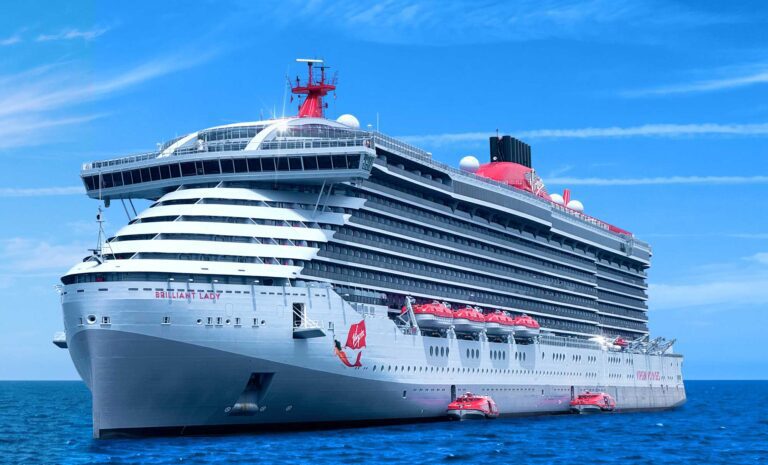
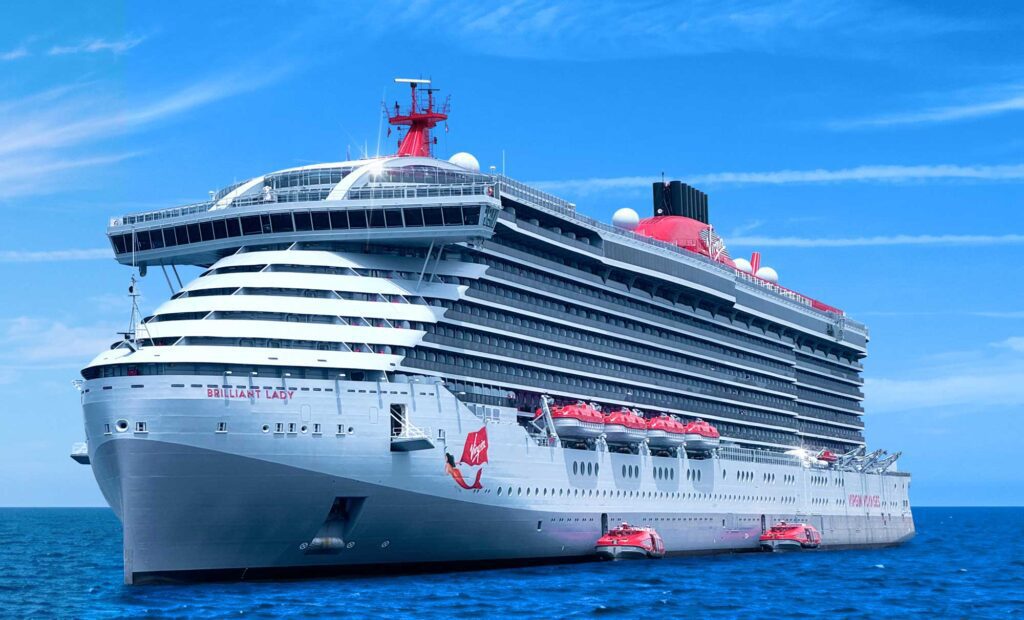
Virgin Voyages is adults-only (18 and over, no exceptions) with an all-inclusive dining approach: over 20 restaurants and eateries are included in the base fare with no traditional buffet. The line positions itself closer to a boutique hotel than a traditional cruise ship. All ships are mid-size by current industry standards. Brilliant Lady is the fourth ship in the fleet and sails Alaska from Seattle in summer 2026 and 2027.
Princess Cruises has a long-standing reputation in Alaska. Princess operates one of the largest fleets in the Alaska market and holds a significant number of Glacier Bay National Park permits, which are limited and distributed among cruise lines by the National Park Service each season. Princess also runs land-and-sea packages (cruisetours) that combine a ship sailing with inland Alaska rail and bus tours to Denali and Fairbanks. The line skews toward a slightly older demographic than Royal Caribbean or Norwegian but has a broad enough ship lineup to fit a wide range of travelers.
Carnival is the largest cruise line in the world by passenger count and the most accessible entry point for first-time cruisers in terms of price. Carnival’s ships are fun-forward, pool-deck-centered, and built around a party-leaning atmosphere that is not for every group but is exactly right for many. Carnival also operates Carnival Journeys, which are longer itineraries to less common ports. The Carnival Hub app handles dining, activities, and messaging between guests on the ship.
Norwegian Aqua: Norwegian Cruise Line
Norwegian Aqua is NCL’s first Prima Plus class ship, launched in 2025. The Prima Plus class is a scaled evolution of Norwegian Prima and Norwegian Viva, with more usable outdoor space, a longer promenade deck, and a greater emphasis on included dining variety. Aqua has a capacity of roughly 3,550 guests at double occupancy, making it significantly smaller than a Royal Caribbean Icon-class ship. That difference in scale shows up on sea days: the public spaces feel less crowded and the outdoor deck is a genuine place to spend time rather than a holding area between activities.

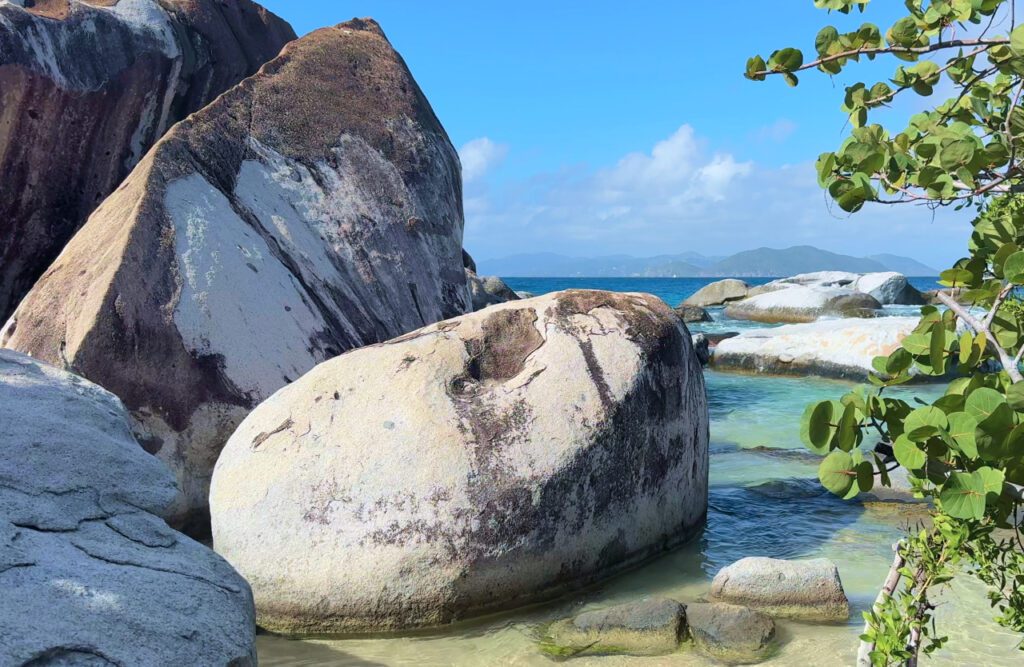
We sailed 7 nights from Miami to Puerto Plata (Dominican Republic), St. Thomas (U.S. Virgin Islands), and Tortola (British Virgin Islands) in late 2025. Our focus was included dining: we did not purchase specialty restaurant packages. NCL invited us to dine once in The Haven restaurant, which is disclosed in the review. Everything else was independent.
- Norwegian Aqua Review… 7-night Caribbean cruise: Pillar. Covers the ship’s layout, sea-day rhythm, how to eat well on included dining only, a port-by-port breakdown of Puerto Plata, St. Thomas, and Tortola, and what happened when Great Stirrup Cay was canceled mid-itinerary. Pairs with the 55-minute YouTube video of the full sailing.
Star of the Seas: Royal Caribbean
Star of the Seas is Royal Caribbean’s second Icon-class ship, sailing 7-night Caribbean itineraries from Port Canaveral, Florida. The Icon class is the largest ship class in the world by gross tonnage. Star and its sister ship Icon of the Seas are structured around six “neighborhoods” (Surfside, Chill Island, Central Park, Royal Promenade, AquaDome, and Thrill Island) each designed for a different mood and group type. Category 6 Waterpark is included in the fare. Early Theme Park Entry is available to guests staying at Disney-area resorts, but the ship itself departs from Port Canaveral, which is roughly an hour east of Orlando.

Most 7-night Star of the Seas itineraries include a stop at Perfect Day at CocoCay in the Bahamas. CocoCay island entry is included; Thrill Waterpark, Coco Beach Club, and Hideaway Beach are paid upgrades that book up in the Cruise Planner well before the sailing date.
- Star of the Seas… complete 7-day guide for first timers: Pillar. Ship overview, who it fits best, day-by-day plan, dining, shows, kids, CocoCay, and links to every support article.
- Star Dining… what is Replicate-Worthy: Every included restaurant, what to book, and which dishes are worth recreating at home.
- Star of the Seas Shows… how to book, what to skip: Reservation windows, standby tips, and what is worth staying up for.
- Cabins on Star… layouts, storage, noise: Which categories fit which travel styles, and what to avoid if you are a light sleeper.
- Star for Foodies… snacks, late night, hidden gems: Late-night options, underrated counters, and what to grab before the main dining room opens.
- Star with Kids… must-do activities by age: Age-band breakdown, Surfside strategy, stroller tips, and height requirement prep.
- Perfect Day at CocoCay… how to plan your hours: Which headliner to book, when to use the tram, and how to pace the island without burning out before 2pm.
- Star vs Icon… which is better for families: Head-to-head comparison of two Icon-class ships for families with different ages and priorities.
- Embarkation Day… quick start checklist: What to have in your carry-on, when to arrive, and the first five things to do once you board.
- Cruise Terms You Will Hear on Star: Glossary of Royal Caribbean and general cruise terminology. Read once before embarkation day.
Brilliant Lady: Mexican Riviera
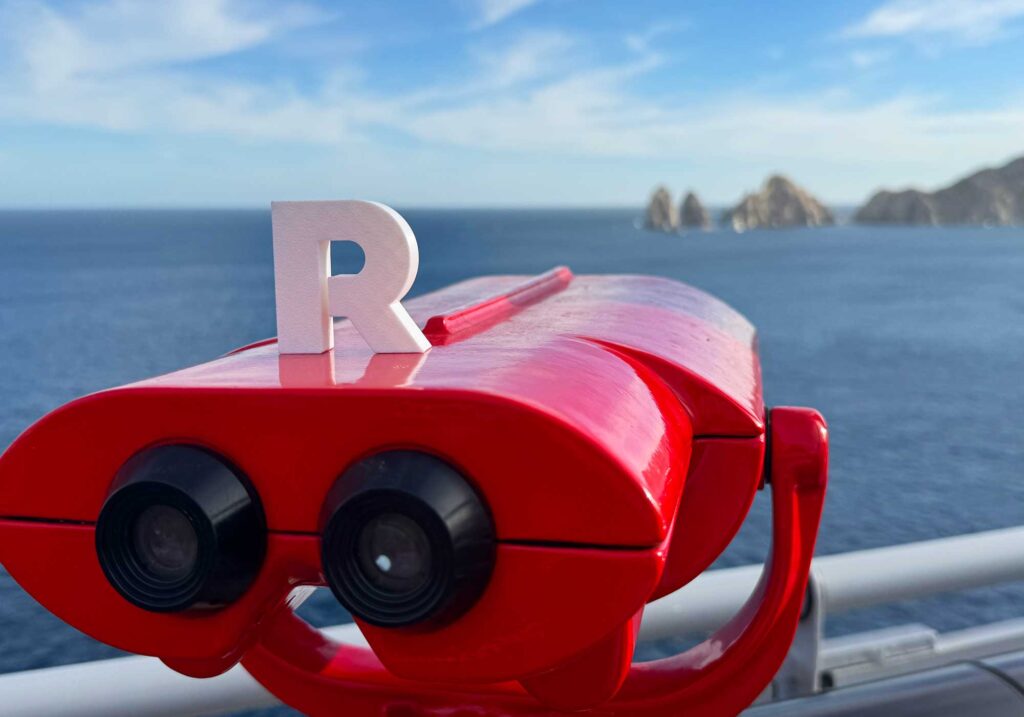
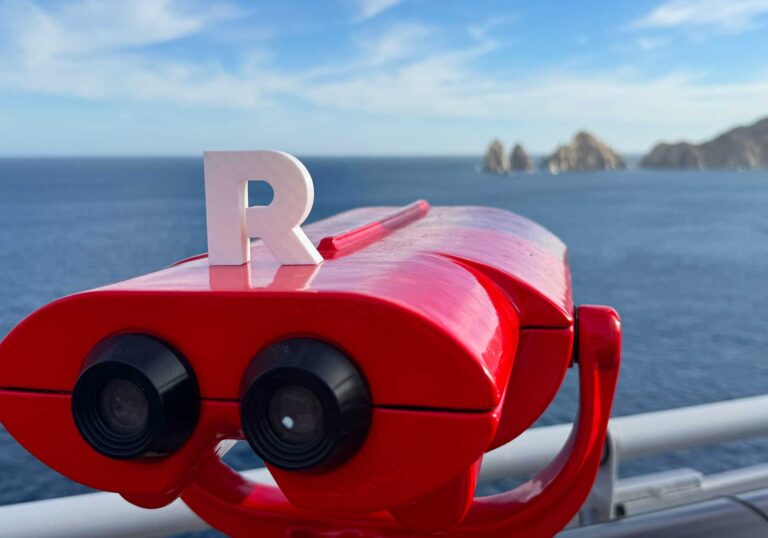
Brilliant Lady is the fourth ship in Virgin Voyages’ fleet. It is adults-only (18 and over), mid-size by current industry standards, and built around an included dining model with over 20 restaurants and eateries and no traditional buffet. We sailed 7 nights from Los Angeles to Cabo San Lucas, Mazatlán, and Puerto Vallarta in May 2026. Quick transparency: we paid for the cruise. Virgin Voyages gave us access to Richard’s Rooftop during the voyage, disclosed in the review. The sailing was not sponsored.

- Virgin Voyages Brilliant Lady Review… what the ship is really like: Pillar. The food system, cabins, Scarlet Night, entertainment, wellness spaces, and who this ship actually fits. Read this first.
- Brilliant Lady Mexican Riviera Itinerary… what worked and what we’d change: Port-by-port planning for Cabo, Mazatlán, and Puerto Vallarta. Tender timing, DIY versus booked excursions, and what the sea days actually felt like.
Brilliant Lady: Alaska
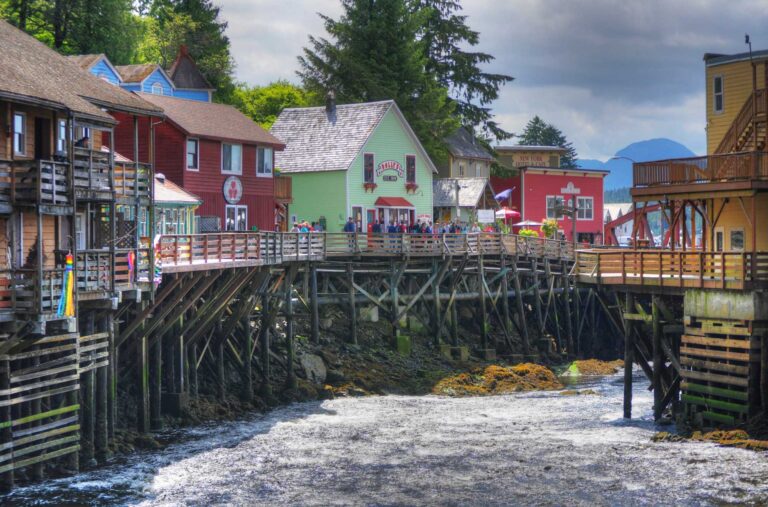
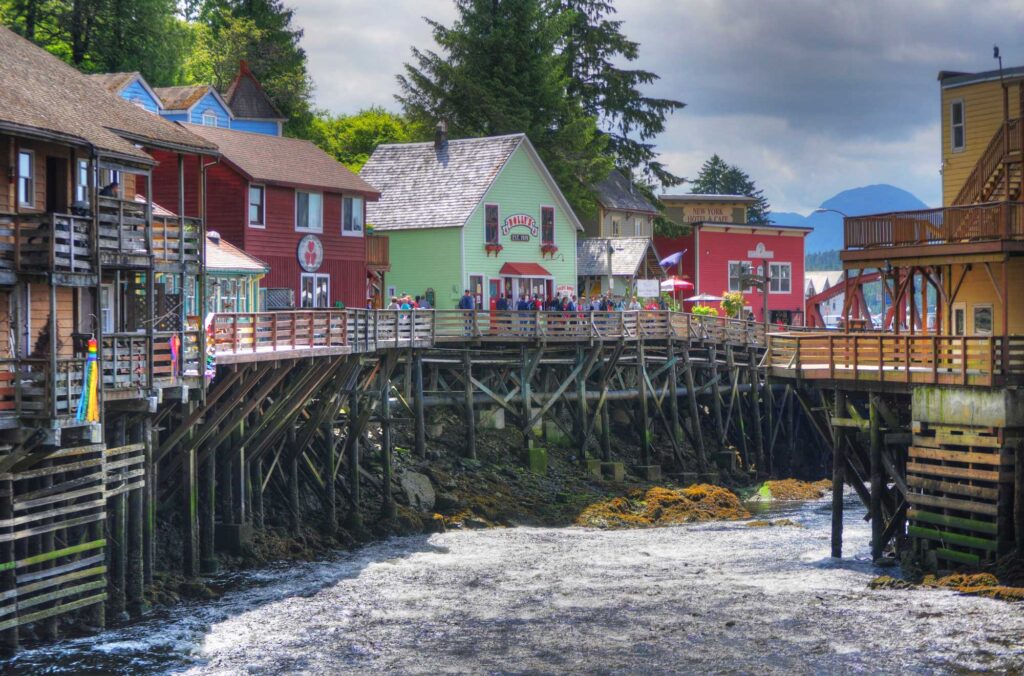
Brilliant Lady began sailing Alaska out of Seattle in summer 2026, making it the first Virgin Voyages ship to offer this region. Itinerary options range from 7 to 12 nights with ports including Ketchikan, Sitka, Juneau, Icy Strait Point, Skagway, Haines, and Prince Rupert, plus scenic cruising days through the Inside Passage, Tracy Arm Fjord, Endicott Arm and Dawes Glacier, and Hubbard Glacier. We have not yet sailed this itinerary. Both Alaska guides are built on firsthand ship knowledge from our Mexican Riviera sailing and itinerary research. We say clearly in each article what is firsthand and what is not.
- Brilliant Lady Alaska… how to use the ship’s spaces on a cold-weather sailing: Which spaces work hardest when the scenery is fjords instead of beach clubs. Covers scenic cruising days, the spa as a sea-day anchor, how the Galley earns its place in cold weather, Sea Terrace strategy, and Scarlet Night in an Alaska context.
- Brilliant Lady Alaska Ports… every port and scenic day across the 2026 and 2027 season: Port-by-port planning for every stop on every Brilliant Lady Alaska itinerary, plus all four scenic cruising days. Includes a full itinerary lineup at the top so Sailors can find their specific sailing.
Niko’s Note 🐾 The two Alaska articles work together. Read the ports guide to plan your days ashore. Read the ship spaces guide to plan everything in between.

Port and Excursion Guides
These guides were written from trips we have done and are useful for any cruiser calling at these ports, regardless of which line you are sailing. A port day is a port day. The taxi route from the St. Thomas pier to Magens Bay does not change based on which ship brought you there.
Miami and PortMiami
PortMiami is the busiest cruise port in the world by passenger volume. Multiple terminals handle different cruise lines: Norwegian Cruise Line operates primarily from Terminal B, Royal Caribbean from Terminal A and Terminal G, Carnival from Terminals F and J, and Celebrity from Terminal 25. Verify your terminal assignment before embarkation day, as terminal assignments can change by sailing date. PortMiami is on Dodge Island, accessible from Downtown Miami via the Port Boulevard Bridge. Rideshare, taxi, and private shuttle are the most common access methods. Parking is available on-site but books up quickly for longer sailings.
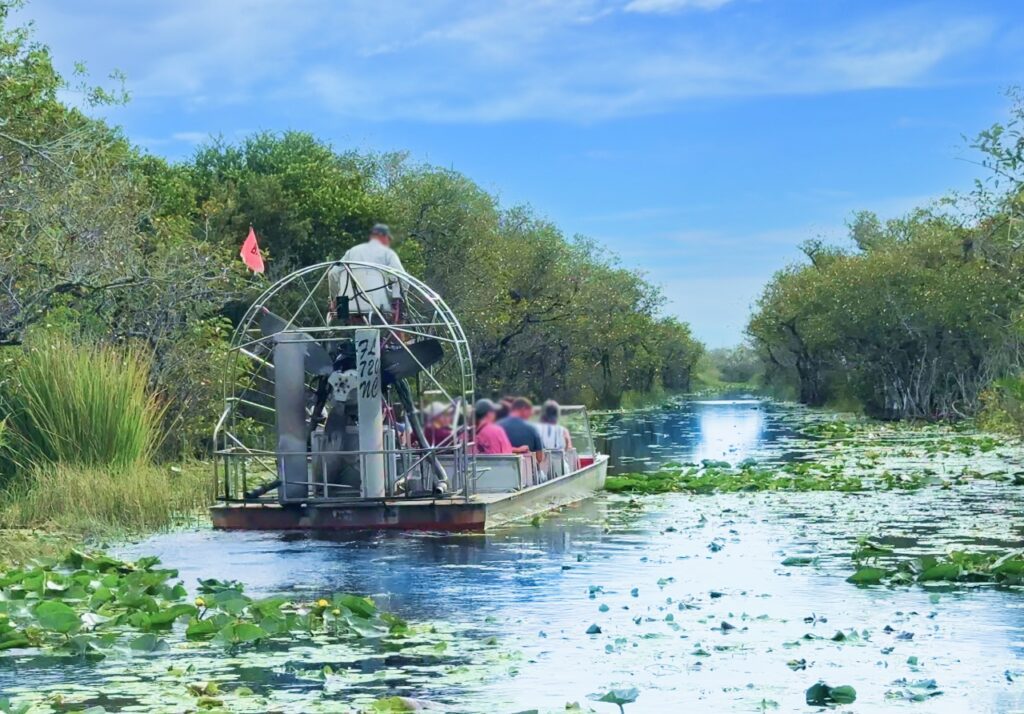
- Everglades Airboat Tour After a Cruise in Miami… timing and tips: A post-cruise option for travelers with a gap between PortMiami debarkation and an afternoon flight. Covers how to time the Gator Park airboat tour, where your luggage goes, what the wildlife presentation looks like, and how to build the return buffer to the airport without stress. Filmed and tested.

Port Canaveral and the Space Coast
Port Canaveral is Florida’s second-busiest cruise port and the primary home port for Royal Caribbean’s Icon-class ships as well as Disney Cruise Line sailings from the East Coast and several Carnival itineraries. The port is approximately 45 to 60 minutes east of Orlando, depending on traffic, and is adjacent to Cocoa Beach, which gives it a natural pre- or post-cruise option that most ports don’t have. The Canaveral Locks connect the port’s turning basin to the Banana River on the west side; the Atlantic is directly to the east.
- Kennedy Space Center From Port Canaveral… a realistic day plan: Whether you are arriving early for a cruise, spending a port day here (less common but possible on some itineraries), or adding a day after debarkation, Kennedy Space Center is roughly 30 minutes from the port. This guide covers half-day and full-day plans built around the included bus tour behind NASA’s gates, the Space Shuttle Atlantis exhibit, and the timing constraints most visitors underestimate. Written after our Star of the Seas sailing.
Puerto Plata and Amber Cove, Dominican Republic

Puerto Plata is a port city on the northern coast of the Dominican Republic. Cruise ships dock at Amber Cove, a purpose-built cruise terminal with its own beach club, pools, shops, and restaurants. Amber Cove is approximately 20 to 30 minutes from Puerto Plata city and about 45 minutes from the 27 Charcos de Damajagua waterfall site. The port is a stop on many Eastern Caribbean itineraries from Miami and Port Canaveral on Norwegian, Royal Caribbean, and Carnival. All-aboard times in Puerto Plata typically range from 3pm to 5pm depending on the itinerary; verify your specific ship departure before booking any excursion with a fixed duration.
- Damajagua Waterfalls Excursion from Amber Cove or Puerto Plata: Step-by-step guide to the 27 Charcos of Damajagua, the waterfall system in the mountains above Puerto Plata. Covers timing from the port, what the hike and natural slides feel like, closed-toe water shoes as a non-negotiable, safety gear provided on-site, and how to build a return buffer that gets you back to the ship comfortably. Filmed during our Norwegian Aqua sailing.
St. Thomas, U.S. Virgin Islands
St. Thomas is a U.S. territory in the Caribbean, which means no passport is required for U.S. citizens (though you will still need government-issued photo ID). The island has two main cruise terminals: Havensight, which is closest to Charlotte Amalie downtown, and Crown Bay, which is on the west side of the island. Some ships use one; larger sailing days may have ships at both. Confirm which terminal your ship is using before planning your port day, as the taxi routes and timing from each differ. St. Thomas is a frequent stop on Eastern Caribbean sailings from Miami, Port Canaveral, and New York on most major lines.
- Taxi to Magens Bay From St. Thomas… a cruise port guide: Magens Bay is consistently ranked among the most beautiful beaches in the Caribbean. This guide walks through the taxi plan from both Havensight and Crown Bay, current admission pass details, timing buffers for a safe return to the ship, what to pack, and how to do the beach day without booking a ship excursion. Filmed during our Norwegian Aqua sailing.

The Day Before Your Cruise
Arriving the night before embarkation is the single most reliable way to protect your vacation from flight delays. Cruise ships do not hold departures for late passengers. If your connecting flight is delayed and you miss the ship, you are responsible for catching up to it at the next port, which typically means booking your own flights, covering your own hotels, and dealing with missed port days. Travel insurance can help with the costs afterward, but it cannot give back the time. Arriving the day before removes all of that from the equation.
The stronger argument, though, is what you can do with that day if you plan it. We have tested this across multiple sailings, and the pre-cruise day has consistently been more enjoyable than expected. The structure below gives you a starting point for each port city we have sailed from.
Miami
Miami rewards an extra day. Wynwood Walls, the Design District, Bayside Marketplace, South Beach, and Little Havana are all meaningful half-day destinations. If you have never been to Miami, a full day exploring one or two of these neighborhoods is a better use of time than sitting in an airport or hotel room. If you have been before, narrow the day to one neighborhood you have not explored thoroughly.
For proximity to the port on embarkation morning: hotels in Brickell and Downtown are the most practical. South Beach and Midbeach hotels add rideshare time and morning traffic to the equation. PortMiami is on Dodge Island across the Port Boulevard Bridge from downtown, so anything in the Brickell-to-Downtown corridor is within 10 to 15 minutes on a normal morning. Verify your specific terminal location at the time of booking, as terminal assignments shift.

Port Canaveral
Cocoa Beach is directly adjacent to Port Canaveral and is the lowest-friction pre-cruise option in Florida. It is a walkable, low-key beach town with casual restaurants, surf shops, and an actual beach. For families who have been traveling all day and need to move, an hour or two on the sand before a hotel check-in resets the group’s energy in a way no lobby can. The drive from the port to the central Cocoa Beach strip is about 10 minutes.
Orlando is about 45 to 60 minutes west. If someone in your group has a specific stop in mind, the proximity is useful. The warning: do not schedule a full theme park day the night before a cruise departure. The goal is a real night of sleep in a comfortable bed, not another exhausting event before the sailing starts.
Los Angeles (Port of Los Angeles, San Pedro)
We spent our pre-Brilliant Lady night in Long Beach rather than navigating Los Angeles proper. Long Beach is lower-friction for Port of Los Angeles sailings: Shoreline Village and The Pike are walkable from several hotels, and the evening had a good energy without requiring a car. The Secret Island Tiki Restaurant and Lounge in Long Beach, underground with neon lighting and theatrical thunderstorm effects, is exactly the right energy for the night before a sailing.
If you are flying into LAX, arriving a day early anywhere in the LA metro is the right move. The Port of Los Angeles is in San Pedro, at the southern end of the city, and the distance from LAX to the port through morning traffic can be unpredictable. Any flight delay adds compounding stress to a same-day embarkation attempt.
Seattle
Seattle earns a full day before any Alaska sailing. Pike Place Market, Capitol Hill, the Bainbridge Island ferry, and the waterfront are all accessible without a car. Pike Place alone is worth the trip: oysters, chowder, fresh pastries, smoked salmon, and one of the original Starbucks locations at 1912 Pike Place (expect a line, but it is legitimately a different experience from a standard location). The Starbucks Reserve Roastery on Capitol Hill, opened in 2014, offers a significantly deeper coffee experience if that is your priority.
Smith Cove Cruise Terminal at Pier 91 is about 20 minutes from Seattle-Tacoma International Airport in normal traffic and significantly longer during peak hours. Hotels in Queen Anne, Belltown, or South Lake Union put you close to the walkable city without the airport-corridor traffic on embarkation morning. Plan your transit to Pier 91 in advance during peak Alaska departure weekends.
Before You Go to Sleep: The One Practical Task
Whatever city you are in, do one thing the night before embarkation: pack your carry-on. Documents accessible at the top, swimsuits in the bag you will carry onto the ship (checked bags can take hours to reach your cabin), medications where you can find them, and any app check-in tasks completed. Waking up on embarkation morning with nothing left to prepare is a meaningfully different experience than scrambling at checkout.
Niko’s Note 🐾 Book the pre-cruise hotel at the same time you book the cruise. Port-adjacent hotels fill up on peak embarkation weekends, and prices rise as availability drops. Booking early also commits you to the plan rather than leaving it as a maybe that gets cut when the cost looks high.
Cruise 101: What Every First-Timer Should Know
These are the things that most cruise guides either assume you already know or bury deep in a planning article. They apply to any cruise line.
Documents
A passport is not required for U.S. citizens on closed-loop cruises (sailings that begin and end at the same U.S. port), but it is strongly recommended. The alternative, a government-issued photo ID plus an official birth certificate, is sufficient for boarding but creates problems if you need to fly home unexpectedly from a foreign port. A medical emergency, a missed ship, or an itinerary diversion can all result in a situation where you need to fly home from outside the U.S. Without a passport, that process is significantly more complicated and expensive. The U.S. State Department recommends a passport for all cruise travel.
Children under 16 can use a birth certificate for closed-loop cruises, but the same caveat applies. A passport book or passport card is the more resilient option for the trip as a whole.
Travel Insurance
Cruise travel insurance is worth understanding before you buy rather than after you need it. The most important categories are trip cancellation and interruption coverage (which reimburses pre-paid, non-refundable costs if you have to cancel or cut the trip short), emergency medical coverage (standard domestic health insurance often has limited or no coverage outside the U.S.), and emergency evacuation coverage (medical evacuation from a ship or a foreign port can cost tens of thousands of dollars without coverage). Read the policy before purchasing, not after. Coverage terms vary significantly between providers and price tiers.
Embarkation Timing
Most cruise lines now use assigned arrival windows rather than a single boarding time. Arriving early and waiting outside the terminal is usually not helpful and often means sitting in a holding area longer than you would have if you arrived at your assigned time. The exception is ship-specific early boarding benefits: Royal Caribbean resort guests get Early Theme Park Entry, and Virgin Voyages offers early access to certain cabin categories. Check what applies to your booking before deciding when to arrive.
All-Aboard vs. Departure Time
The all-aboard time is not the departure time. It is the time the gangway closes. The ship typically departs 30 to 60 minutes after all-aboard. Build your port day return buffer around the all-aboard time, not the listed departure. If the all-aboard is 4:30pm and you are on an excursion that ends at 4pm, that is not a safe plan. Add at least 90 minutes of buffer for any excursion you have not done before, more if it involves a return journey from a location outside the port area.
Gratuities
Most cruise lines add a daily service charge (often called gratuities or crew appreciation) to your onboard account. The amount varies by line and cabin category. As of spring 2026, standard daily gratuities on major mass-market lines typically ran between $18 and $22 per person per day, with higher rates for suite categories. Some lines include gratuities in the base fare (Virgin Voyages is the clearest example). Verify the current policy for your specific line and booking at the time of purchase. Specialty restaurant covers, bar service, and spa treatments typically carry their own gratuity on top of the daily charge.
Onboard Credit vs. Included Perks
Onboard credit (OBC) is a dollar amount applied to your shipboard account that can be spent on drinks, specialty dining, excursions, spa services, and some other purchases. It is not cash and cannot be withdrawn or applied to your cruise fare. OBC frequently comes as a promotion, a travel agent incentive, or a credit card reward. Understand before you sail what your OBC applies to and whether it expires at the end of the sailing (unspent OBC is generally forfeited).
Included perks (drink packages, specialty dining credits, Wi-Fi) are different from OBC and typically need to be activated or selected before the sailing. Cruise lines often run promotions that bundle these as “free” additions to a booking, but the term free in cruise marketing usually means the cost is baked into the promotional fare. Compare the base fare to the perked-up fare before deciding whether the bundle is genuinely good value for your group’s usage patterns.
- Embarkation Day… quick start checklist: Ship-agnostic. Works for NCL, Royal Caribbean, Virgin Voyages, Princess, and Carnival.
- Cruise Terms You Will Hear on Star: Covers general cruise vocabulary that applies across most lines, with Royal Caribbean-specific terms noted.
FAQ
Which cruise lines have you actually sailed?
Norwegian Cruise Line (Norwegian Aqua), Royal Caribbean (Star of the Seas), Virgin Voyages (Brilliant Lady), Princess Cruises, and Carnival. The ship reviews on this site cover Norwegian Aqua, Star of the Seas, and Brilliant Lady in depth. The best cruise lines by region guide draws on all five lines.
Is a passport required for Caribbean cruises?
Not for U.S. citizens on closed-loop sailings (start and end at the same U.S. port). A government-issued photo ID and an official birth certificate are technically sufficient. A passport is strongly recommended regardless, because any situation requiring you to fly home from a foreign port becomes significantly more complicated without one.
Does Virgin Voyages allow kids?
No. Brilliant Lady and all Virgin Voyages ships are 18 and over with no exceptions on any sailing.
What is the difference between Norwegian Aqua and Star of the Seas?
Norwegian Aqua is a Prima Plus class ship holding roughly 3,550 guests at double occupancy, built around a strong outdoor promenade and a Freestyle Cruising (no set dining times) format. Star of the Seas is an Icon-class ship, one of the largest in the world, with a neighborhood structure and a family-oriented design. NCL Aqua sails from Miami; Star of the Seas sails from Port Canaveral. Both have included dining, but the structure is different: NCL has a mix of included and specialty venues; Star has a broader range of included restaurants with a main dining room as the anchor.
What port does Brilliant Lady Alaska sail from?
All 2026 Brilliant Lady Alaska sailings depart from Seattle’s Smith Cove Cruise Terminal at Pier 91. Some 2027 sailings depart from or end in Vancouver, British Columbia. Verify current itinerary schedules at virginvoyages.com before booking.
Do I really need to arrive the night before?
You do not have to. But cruise ships do not wait for passengers who miss embarkation because of a flight delay. Arriving the night before removes that risk and gives you a full day in the port city to use. The pre-cruise section above covers what we have done in Miami, Port Canaveral, Los Angeles, and Seattle.
Is CocoCay fully included with a Royal Caribbean cruise?
Island entry is included. Thrill Waterpark, Coco Beach Club, and Hideaway Beach are paid upgrades booked through the Cruise Planner. The CocoCay itinerary guide explains which areas cost extra and how to plan your time by zone.
Can I do the Damajagua waterfalls on any cruise calling at Puerto Plata?
Yes. The Damajagua guide applies regardless of which ship brought you to Amber Cove or Puerto Plata. The logistics, timing, and gear requirements are the same.
Is Magens Bay worth doing as a DIY excursion or should I book through the ship?
The DIY taxi plan from either Havensight or Crown Bay is straightforward and significantly less expensive than a ship-booked excursion for the same experience. The Magens Bay guide walks through the full plan. The main tradeoff with DIY excursions: if you return late, the ship does not wait. The guide covers how to build the return buffer.

All Cruise and Port Articles
These links open in a new tab so you can keep this hub in view.
Cruise Line Comparisons
- Best Cruise Lines by Region… Caribbean, Mediterranean, Alaska
- Star vs Icon… which is better for families
Norwegian Aqua
Star of the Seas
- Star of the Seas… complete 7-day guide for first timers
- Star Dining… what is Replicate-Worthy
- Star of the Seas Shows… how to book, what to skip
- Cabins on Star… layouts, storage, noise
- Star for Foodies… snacks, late night, hidden gems
- Star with Kids… must-do activities by age
- Perfect Day at CocoCay… how to plan your hours
- Embarkation Day… quick start checklist
- Cruise Terms You Will Hear on Star
Brilliant Lady: Mexican Riviera
- Virgin Voyages Brilliant Lady Review… what the ship is really like
- Brilliant Lady Mexican Riviera Itinerary… what worked and what we’d change
Brilliant Lady: Alaska
- Brilliant Lady Alaska… how to use the ship’s spaces on a cold-weather sailing
- Brilliant Lady Alaska Ports… every port and scenic day across the 2026 and 2027 season