
Two jars with the same seasoning name can leave you with different cooking decisions. Before replacing one blend with another, read the actual product label. The front name is a starting point, not a complete account of the ingredients or a formula you can reproduce.
These four questions help you record what changed without blaming every difference in the finished dish on the new jar.
1. What is actually in the blend?
Read the ingredient list before assuming that a seasoning is simply a collection of herbs and spices. Look for salt, sugar, and other ingredients that also appear separately in your recipe.
The FDA’s ingredient-label explanation says ingredients are generally listed in descending order by weight and explains that some may be grouped as spices or flavors. That order is useful information, but it doesn’t give you the exact proportion of each ingredient or the blend’s complete recipe.

Record the brand and full product name when you keep cooking notes. “Seasoning” leaves the next cook guessing. A photograph of the current package can preserve details that a short handwritten jar label omits.
2. Are you comparing the same amount?
If you compare the Nutrition Facts panels, check the listed serving sizes first. The FDA explains that nutrition information is usually given per serving. Two numbers presented for different amounts aren’t a like-for-like comparison.
Keep that separate from the amount the recipe asks you to use. A label serving size isn’t a recommendation for how much seasoning to put in a dish. Nor is the sodium figure a complete flavor description. Use the label to understand the product, then follow a recipe written for it or make a documented adjustment in a suitable small batch.
3. Will you still have the original information after refilling the jar?
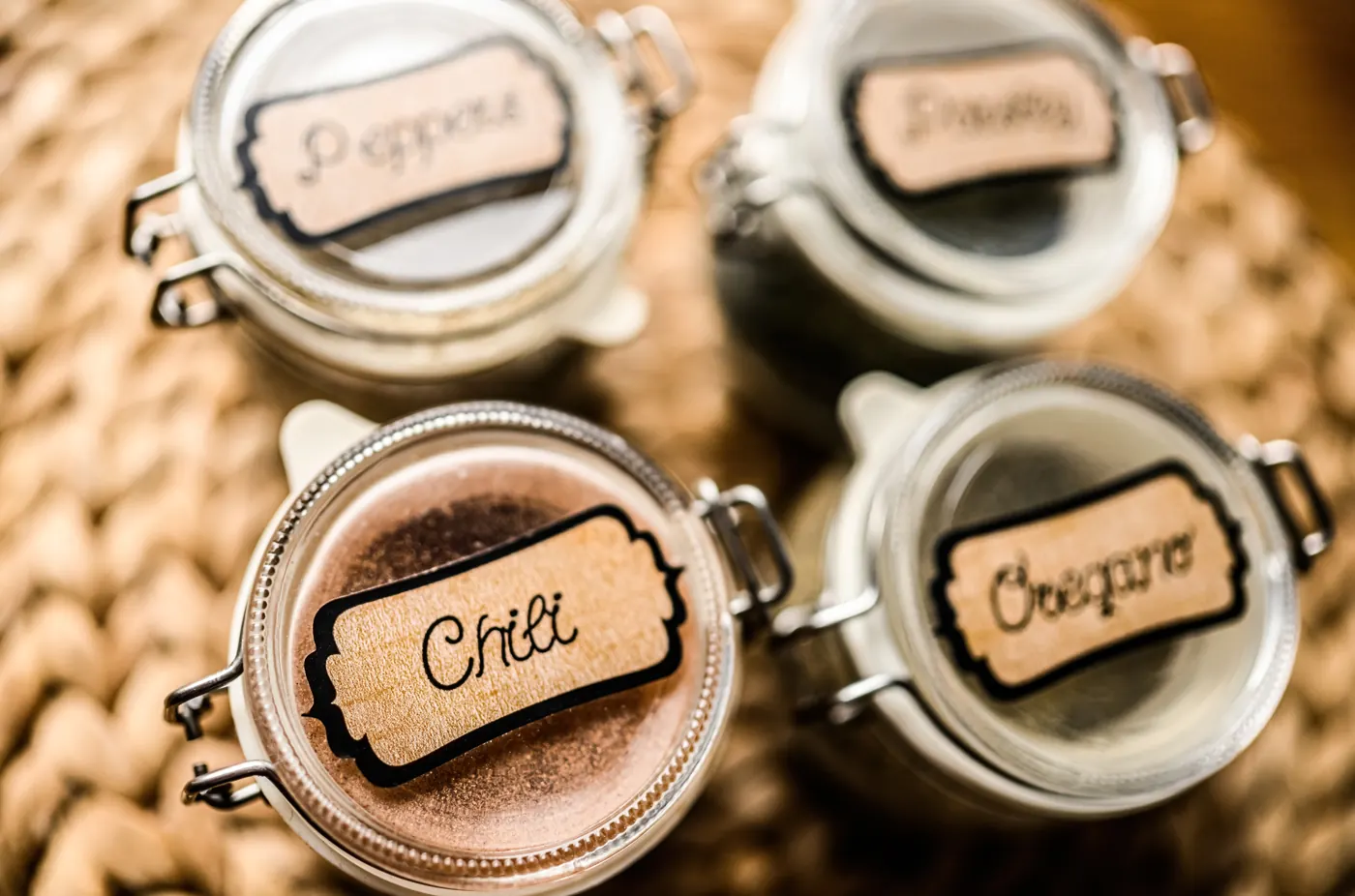
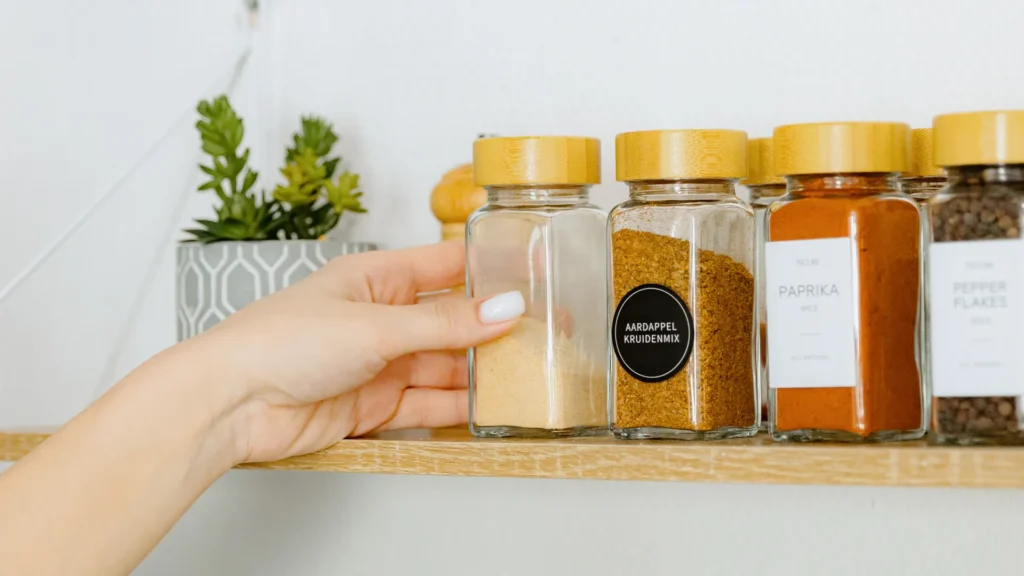
A neat name on the lid helps you find the jar. It doesn’t preserve the manufacturer, ingredient list, directions, or any other package information you may need. Keep that information available when you decant a product.
A simple private record can contain the product name, a package photo, the refill date, and a link or note showing where the original information is stored. If you make your own mixture, record the formula and version separately. A commercial product’s familiar name doesn’t document your house recipe.
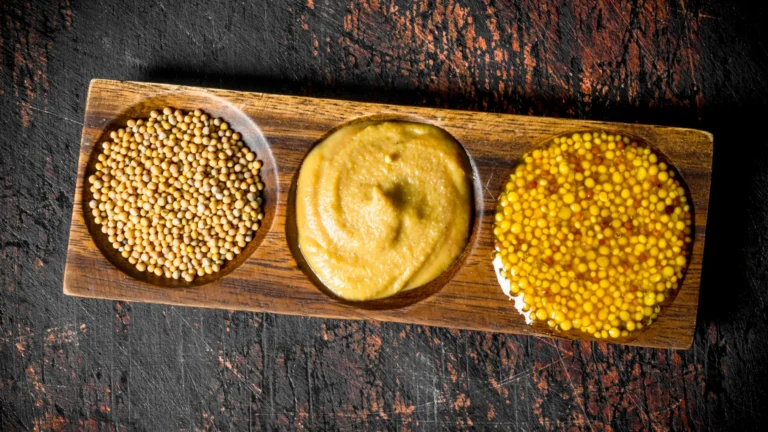
The same habit applies to ingredient forms. Our mustard guide explains why a dry powder and a prepared condiment need different treatment even when they share the same main ingredient.
4. Does anyone need specific allergen information?
Use the actual current package information. The FDA’s allergen-label guidance for consumers advises reading the full ingredient information, checking labels each time you buy, and contacting the manufacturer when you are unsure. A pantry nickname or an old photo cannot establish that a newly purchased product is suitable.
If you can’t verify the information needed for someone with a food allergy, don’t guess or use a taste test to settle it. Resolve that question before cooking for them.
Keep the change small enough to understand
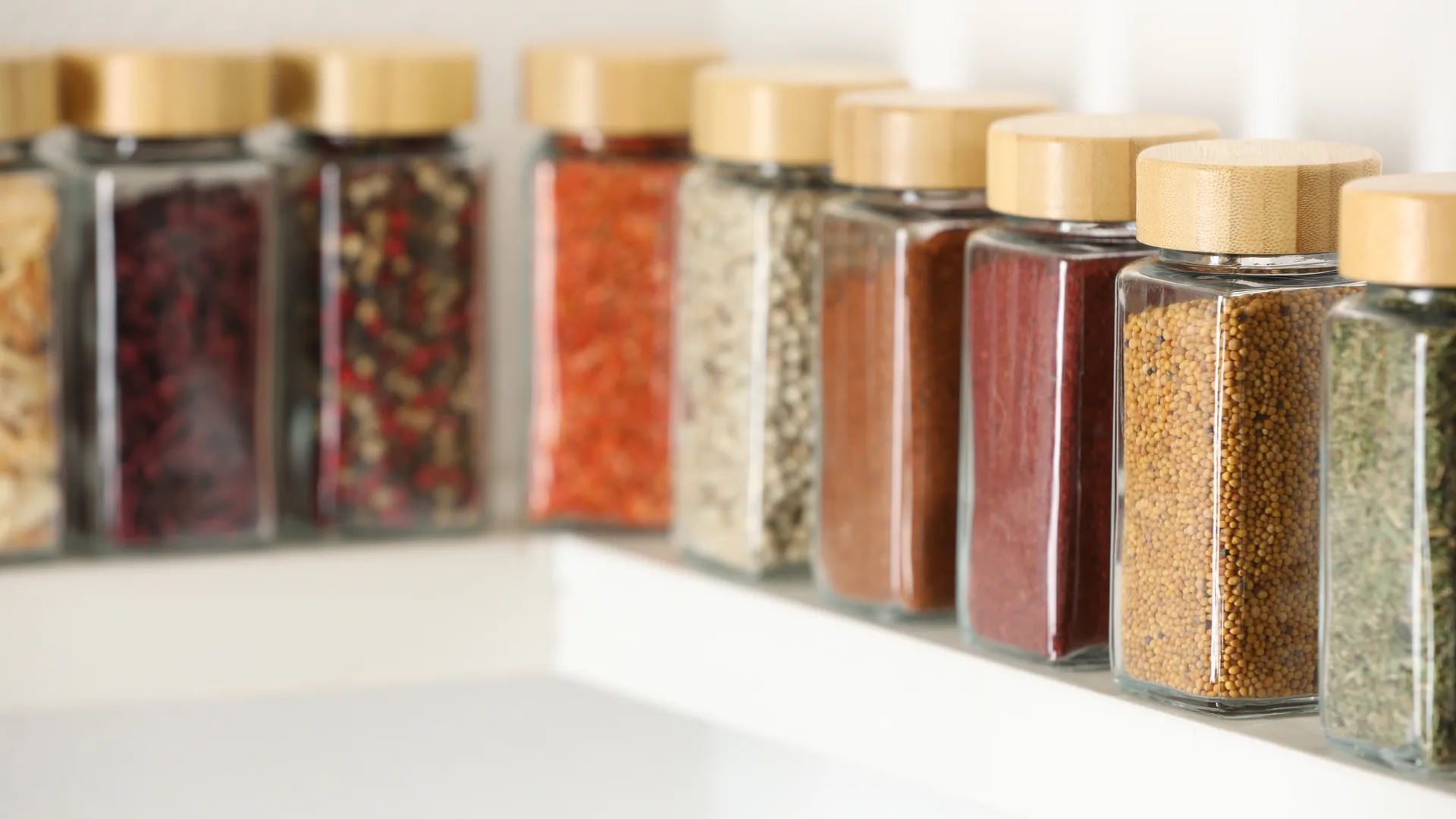
Once you’ve checked the label, write down which product you used and how much went into the recipe. If you change the blend and several other ingredients at once, the result may be useful, but you won’t know which change caused the difference.
A short note is enough: product, amount, other adjustments, and what you observed. That gives the next attempt somewhere concrete to begin.
Source note
This researched kitchen-organization guide uses the FDA references linked above, checked October 21, 2026. It reports no product comparison test or verified house seasoning formula. Stock photographs illustrate ingredients and storage, not the contents or allergen status of a specific commercial blend.