
Sources checked October 25, 2026.
Build a winter visit to Kanazawa around one outdoor anchor each day, with a warm meal and an indoor stop close behind. Kenrokuen’s rope-supported pines are the starting point, but the city’s historic streets and regional cooking give the trip a reason to work even without fresh snow.
Choose the season before choosing the picture
The conical ropes over Kenrokuen’s pines are called yukitsuri, also written yukizuri. They support branches against the weight of wet snow. Their geometry is striking, but the purpose is practical tree protection. JNTO’s winter guide to Kenrokuen explains the method and identifies January and February as the main months for snowy views.
That makes early November a useful time to plan a winter trip, not a promise of a snow-covered garden. Rope installation and snowfall are separate events. Check the garden’s current notices for seasonal work and the forecast for your dates. A stock photograph records one set of conditions; it cannot tell you what will be there when you arrive.
Day 1: Kenrokuen, the castle, and a warm lunch
Give the garden the better weather window
Set aside roughly 90 minutes to two hours for Kenrokuen, adjusting for footing, temperature, and how often you want to stop. Treat that as room in the day rather than a target to finish. Start with the pond views and supported pines, then follow the paths that are open and comfortable for your group.
According to the garden operator’s visitor guidance, checked October 25, 2026, regular hours from October 16 through the end of February are 8 a.m. to 5 p.m. Individual admission is listed at ¥320 for adults age 18 and older and ¥100 for children ages 6 through 17. Recheck before visiting, especially for closures, admission arrangements, or special evening openings.
Do not build the day around a winter illumination unless dates for your visit have actually been announced. Older tourism articles can describe recurring events while carrying outdated prices and schedules.
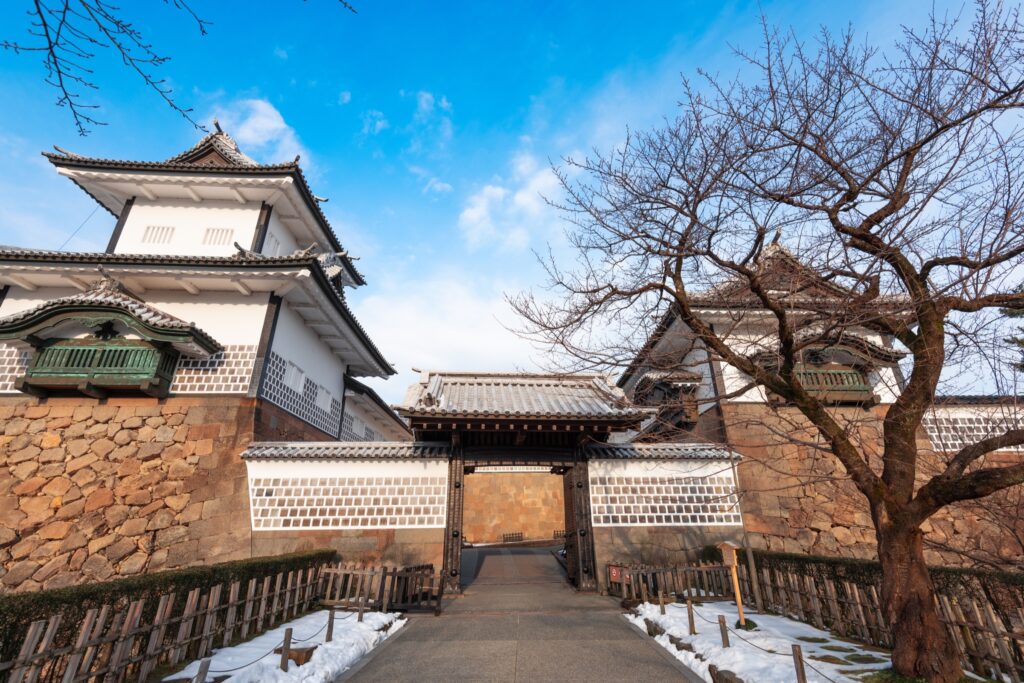
Pair Kenrokuen with Kanazawa Castle
Keep the next stop in the castle and garden area instead of crossing the city immediately. Decide how much outdoor walking you want after the garden, and check which castle buildings are open before committing to an interior visit. Admission to Kenrokuen does not establish admission terms for separate castle attractions.
On a wet or icy day, shortening this stop is a reasonable choice. Leave enough room for a seated lunch rather than treating food as something to squeeze between sights.
Look for jibuni, and check the menu before going
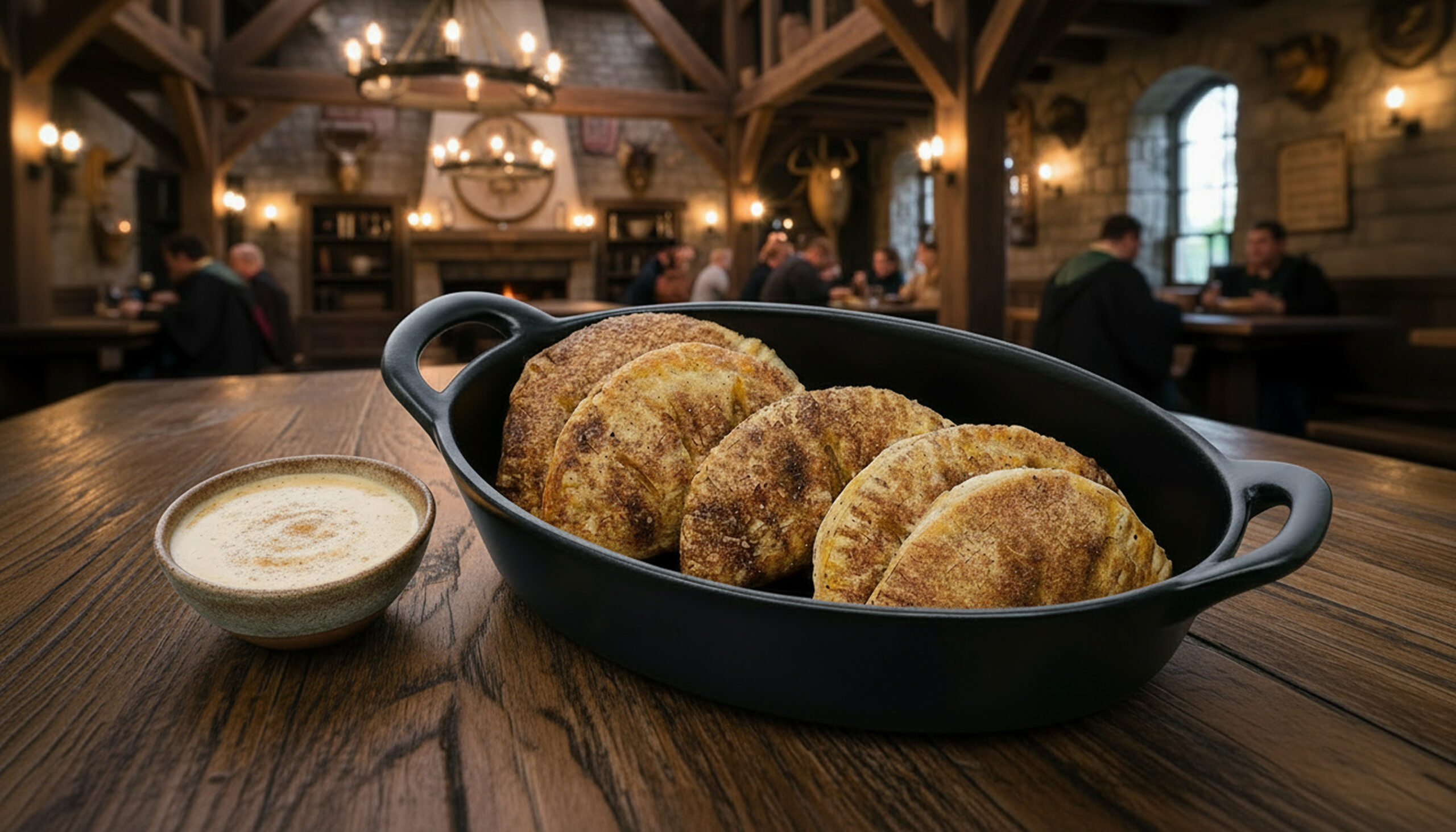
Jibuni is an Ishikawa simmered dish commonly made with duck, sudare-fu (wheat gluten), and vegetables. Flour on the meat thickens the broth, and wasabi is a customary accompaniment. Japan’s Ministry of Agriculture, Forestry and Fisheries documents the dish and notes that chicken versions also exist.
Choose a restaurant from its current menu. Confirm whether jibuni is available at lunch, whether it is a separate dish or part of a set, the price, and any reservation requirement. Ask directly about ingredients if you have dietary restrictions.
Day 2: Choose a historic district, then leave space to linger
Two days make it easier to keep the garden visit flexible. Use the second day for a historic neighborhood, or swap the days if the better weather arrives later. Avoid turning both districts into mandatory stops when walking conditions are poor.
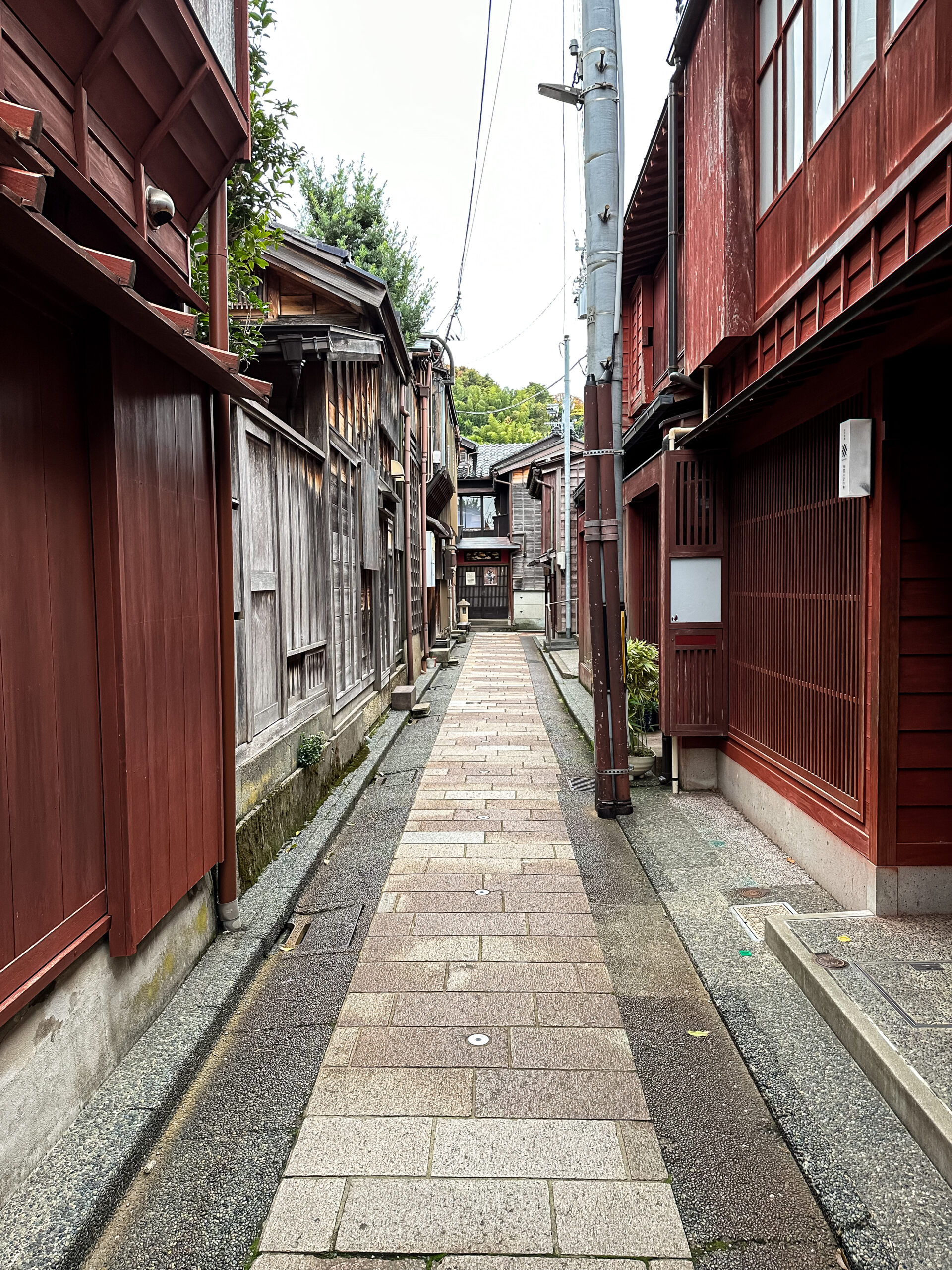
Higashi Chaya for wooden streetscapes and teahouse history
Higashi Chaya is a preserved historic teahouse district near the Asano River. JNTO describes wooden chaya dating to the 1820s, public teahouse visits, cafes, and gold-leaf shops. It is a place to slow down and look at the buildings, with an indoor visit chosen in advance if the weather turns.
Allow roughly half a day including a cafe or teahouse stop. Check individual opening hours and admission rather than assuming everything on a street follows the same schedule. Respect private entrances, working businesses, and photography restrictions.
Nagamachi for earthen walls, canals, and samurai residences
Nagamachi, southwest of the castle, offers a different streetscape: narrow lanes, canals, earthen walls, and former samurai residences. JNTO identifies the restored Nomura house as a public visit and describes winter straw coverings used to protect the district’s earthen walls.
Choose this area if residential architecture and a house visit interest you most. Confirm the house’s current hours and fee separately. The garden ropes and wall coverings offer a useful thread through the trip: historic places still need practical protection from the weather.
Make the route fit winter conditions
- Keep transport flexible. Choose a base with a practical connection to the station and the places you most want to visit. Check current bus routes and fares, and keep room in the budget for a taxi if walking conditions deteriorate.
- Pack for wet feet as well as cold air. Bring weather-resistant footwear with grip, layers, gloves, and a way to keep your bag’s contents dry. Shorten exposed walks when conditions call for it.
- Check access at the entrance you plan to use. Historic paths and buildings need individual accessibility checks. Confirm step-free routes, surfaces, restrooms, and any mobility-equipment arrangements with the operator.
- Budget beyond the garden ticket. Add separate house or castle admissions, meals, transit, and weather-related transport. The listed garden fee is one component, not a total trip budget.
If you have only one day, keep Kenrokuen, a warm lunch, and one historic district. If you have two, use the extra time to absorb a weather change or spend longer inside a place that interests you. The useful itinerary is the one that still works when the snowfall does not match the photograph.
Research checked October 25, 2026. Sources: Ishikawa Prefecture’s Kenrokuen visitor guidance; JNTO’s winter, Higashi Chaya, and Nagamachi guides; and MAFF’s regional cuisine record. JNTO’s winter feature was published in 2018 and is used here for seasonal context, not current event dates or prices. Photos are licensed stock, not photographs of a Replicate the Magic trip. Featured castle photograph: SeanPavone via Envato Elements.
Found an error or an outdated detail? Send a correction for this article.