

Choose adhesive vinyl by asking two questions: what does it need to stick to, and what should happen when the decoration comes off? A label for a temporary display and a graphic intended to stay outdoors have different jobs, even if you cut them from the same artwork.
“Permanent” and “removable” help narrow the search. The actual product instructions still need to match the surface, exposure, and expected life of the project.
Write the job before choosing the roll

Use a short project description: “A name on a smooth display panel for a weekend event, removed afterward” is more useful than “a vinyl sign.” It gives you a surface, a duration, and a removal requirement to check.
Make a small decision card before buying or cutting:
| Decision | What to record |
|---|---|
| Surface | The material and its actual finish, including paint or coating. |
| Use | Indoors or outdoors, with any expected water, sunlight, or handling. |
| Duration | How long the graphic needs to remain in place. |
| Removal | Whether the surface must be reused and what damage would be unacceptable. |
| Product | Brand, series, adhesive type, and the instructions being followed. |
If the surface belongs to a venue or another person, establish whether an adhesive graphic is acceptable before applying a sample. A material described as removable isn’t a substitute for that decision.
Read the claim for the specific product
Cricut’s vinyl help page describes Premium Vinyl Removable as removable without residue for up to two years. It describes Premium Vinyl Permanent as a water- and UV-resistant film with adhesive that can last up to three years. Those are claims for named products, not definitions that cover every roll sold as vinyl.
ORAFOL’s ORACAL 631 product page describes a removable adhesive for most sealed, smooth surfaces and lists flat surfaces and simple curves among its applications. It also specifies dry application. Check the product page and current technical sheet together rather than importing an application method from a different film.
The product details matter more than a blanket rule that every removable vinyl belongs indoors or every permanent vinyl suits every outdoor object. Record the series number. “The blue roll” won’t tell you which instructions to revisit later.
Check removal as well as adhesion
Cricut’s wall application guidance says to use a product suited to the wall and intended permanence, check the paint condition, and test a small hidden area. It explicitly notes that removal results can vary.
That is a useful limit on the word removable. Don’t turn a product description into a promise that every painted surface will be unchanged afterward. For a display that must come down cleanly, the removal requirement belongs in the initial choice.
Use the maker’s instructions for the actual material and surface. Record what happened to both the graphic and the finish during a small permitted trial. If you haven’t checked removal, keep that part of the result marked unknown. A label that stays flat for an afternoon hasn’t answered the later removal question.
Keep the cutting and transfer decisions separate
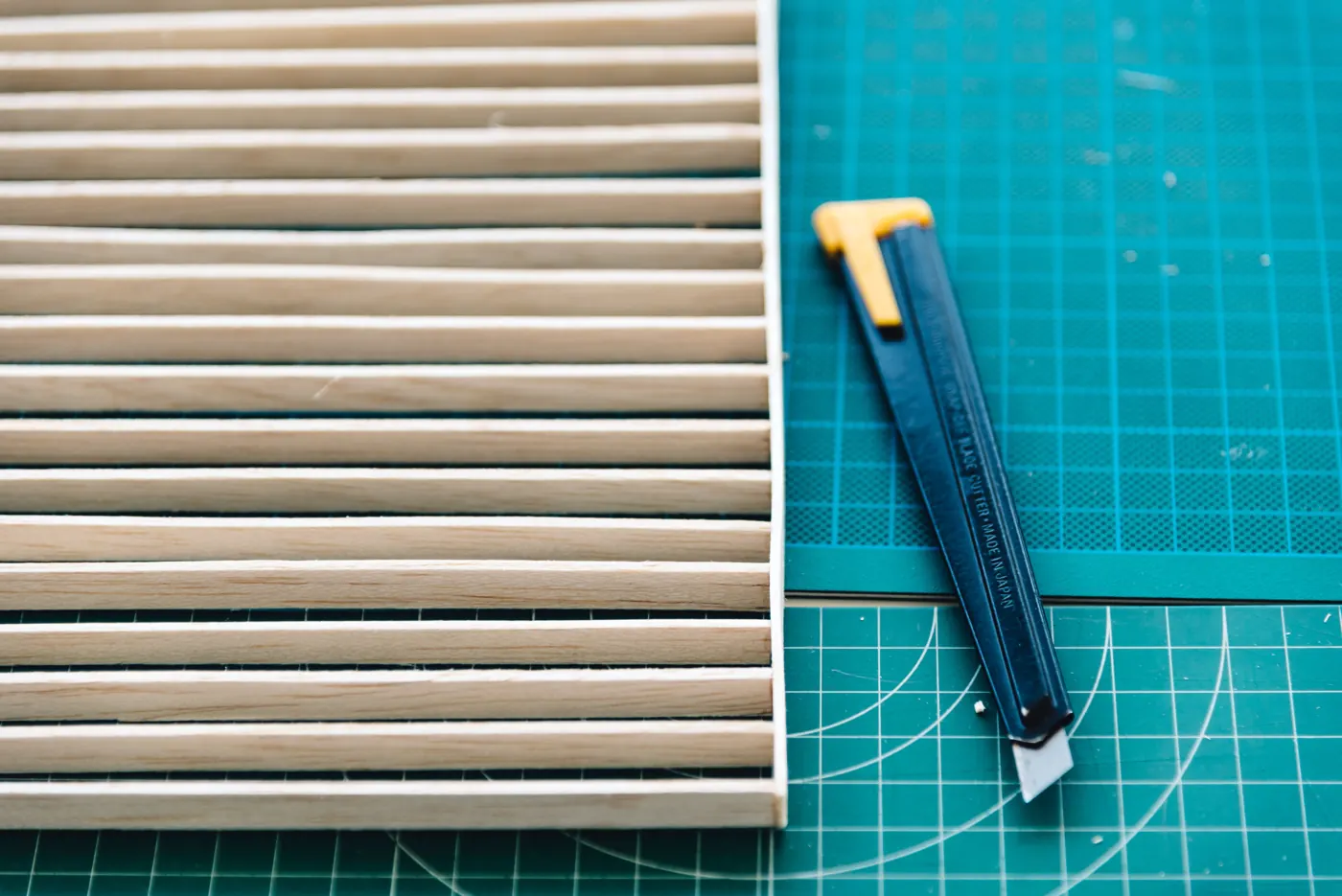
A suitable adhesive doesn’t establish the right cutting setting or transfer tape. Cricut’s preparation instructions call for a clean, dry project surface, an appropriate transfer tape, and a small basic-shape test cut to verify the cut setting.
Keep that test with the roll identification. If you change the vinyl type, textured finish, machine, or blade condition, revisit the relevant instructions instead of treating an earlier successful cut as a universal preset.
For the artwork itself, the SVG and PNG guide explains why a visible picture and a usable cutting path are different things. Once the file is ready, confirm the material decision again before producing the whole design.
The finished project needs three separate answers: a graphic that cuts as intended, a film that suits its use, and a removal plan that fits the surface. Keep those answers with the project notes so the next version starts with evidence you can actually use.
References
Cricut and ORAFOL sources checked October 21, 2026. Manufacturer descriptions apply to the named products. This researched selection guide does not report Replicate Workshop adhesion or removal tests. Stock photographs illustrate design preparation and cutting tools.