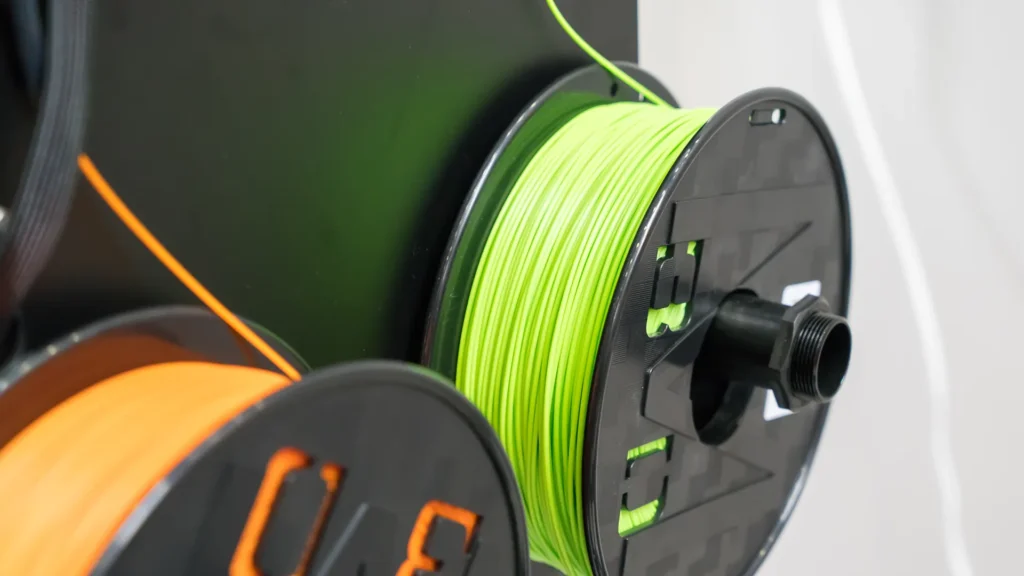

For a detailed display model that will sit indoors without demanding use, PLA is a reasonable material to consider first. PETG becomes more interesting when the piece also needs toughness or greater temperature resistance. The choice depends on the job, the actual filament, and the finished design.
Start by describing the object. A small decorative figure on a shelf and a display stand that gets packed, transported, and handled every week are different projects, even if both live indoors.
Give the material a job description
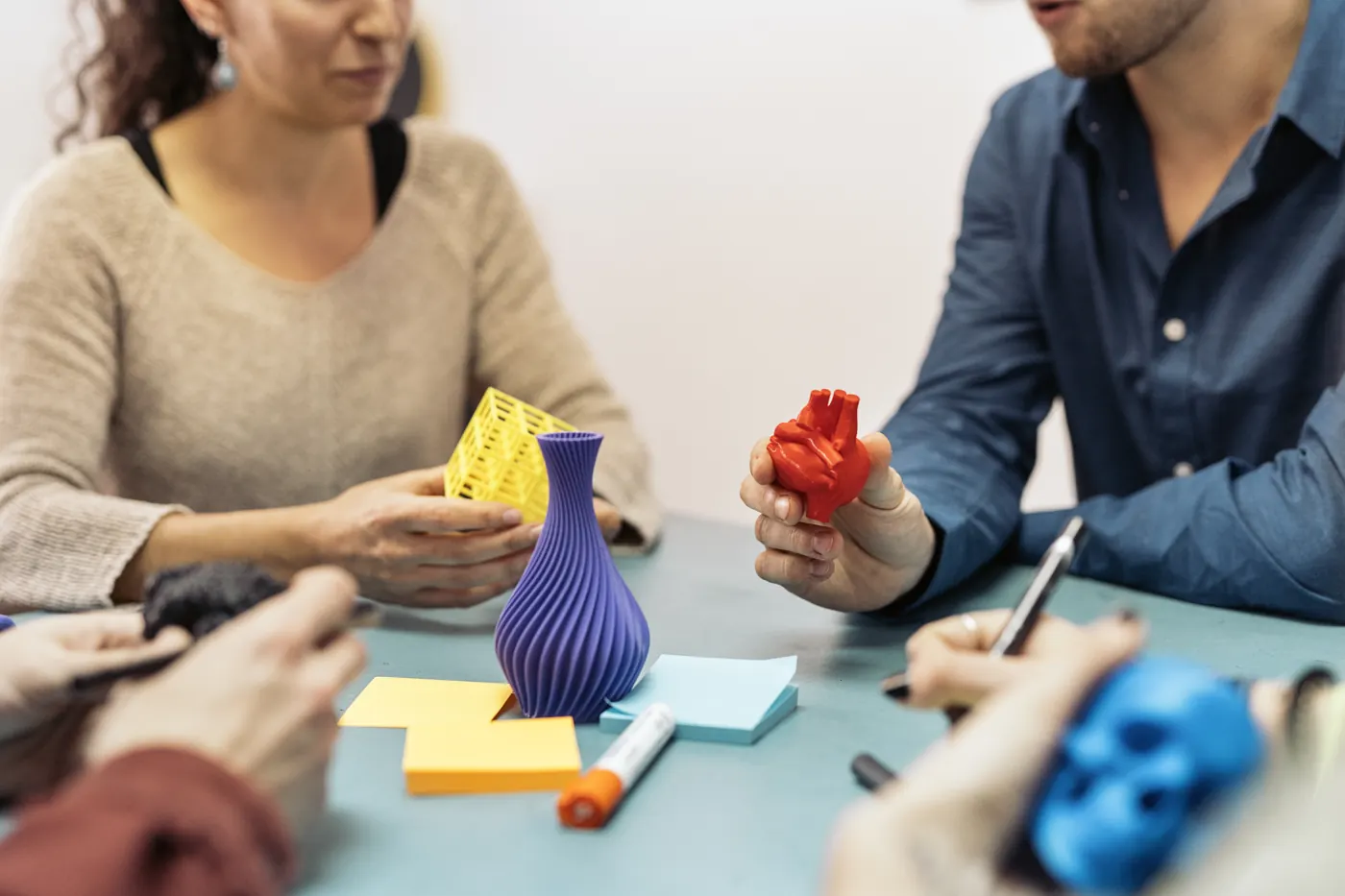
Before comparing spools, write down where the piece will go, who will handle it, and what it needs to do. Be specific about any thin details, joints, fasteners, or surfaces that must fit another object.
A short brief might say: “Decorative desk model, no supported load, visible lettering on the front, and no repeated assembly.” Another might say: “Reusable display holder, packed between events, with a removable insert.” These are hypothetical briefs. Their purpose is to expose requirements before choosing a material.
Also consider the actual location. “Indoors” doesn’t tell you whether the piece will sit near a hot window, a heater, or another source of warmth. Compare those conditions with the filament manufacturer’s documentation instead of treating room placement as a performance rating.
What PLA offers
Prusa’s PLA material guide describes it as easy to print and suited to detailed models and quick prototypes that don’t require high mechanical or temperature resistance. It also identifies brittleness and limited heat resistance as drawbacks.
That makes PLA a useful candidate for evaluating the appearance and shape of a decorative model. It doesn’t make every PLA print suitable for every display location. Check the specific product and the conditions the object will encounter.
If your design has lettering, small edges, or a surface that will be seen close up, include those features in a sample. A generic cube won’t tell you whether the feature you care about looks right.
What PETG changes
Prusa’s PETG material guide describes a tough material with good layer adhesion and temperature resistance. It also lists tradeoffs, including stringing, difficulty with some details and overhangs, and strong adhesion to the print surface.
PETG is therefore worth evaluating when a display piece also has a practical job, such as a holder that will be handled repeatedly. That is a reason to investigate it, not a claim that a particular design has passed a strength test.
Read the printer and filament instructions together. Prusa specifically warns that PETG can adhere too strongly to a smooth PEI sheet. Use the surface and preparation guidance for your own machine and material rather than carrying over a PLA setup unchanged.
Compare the feature that matters
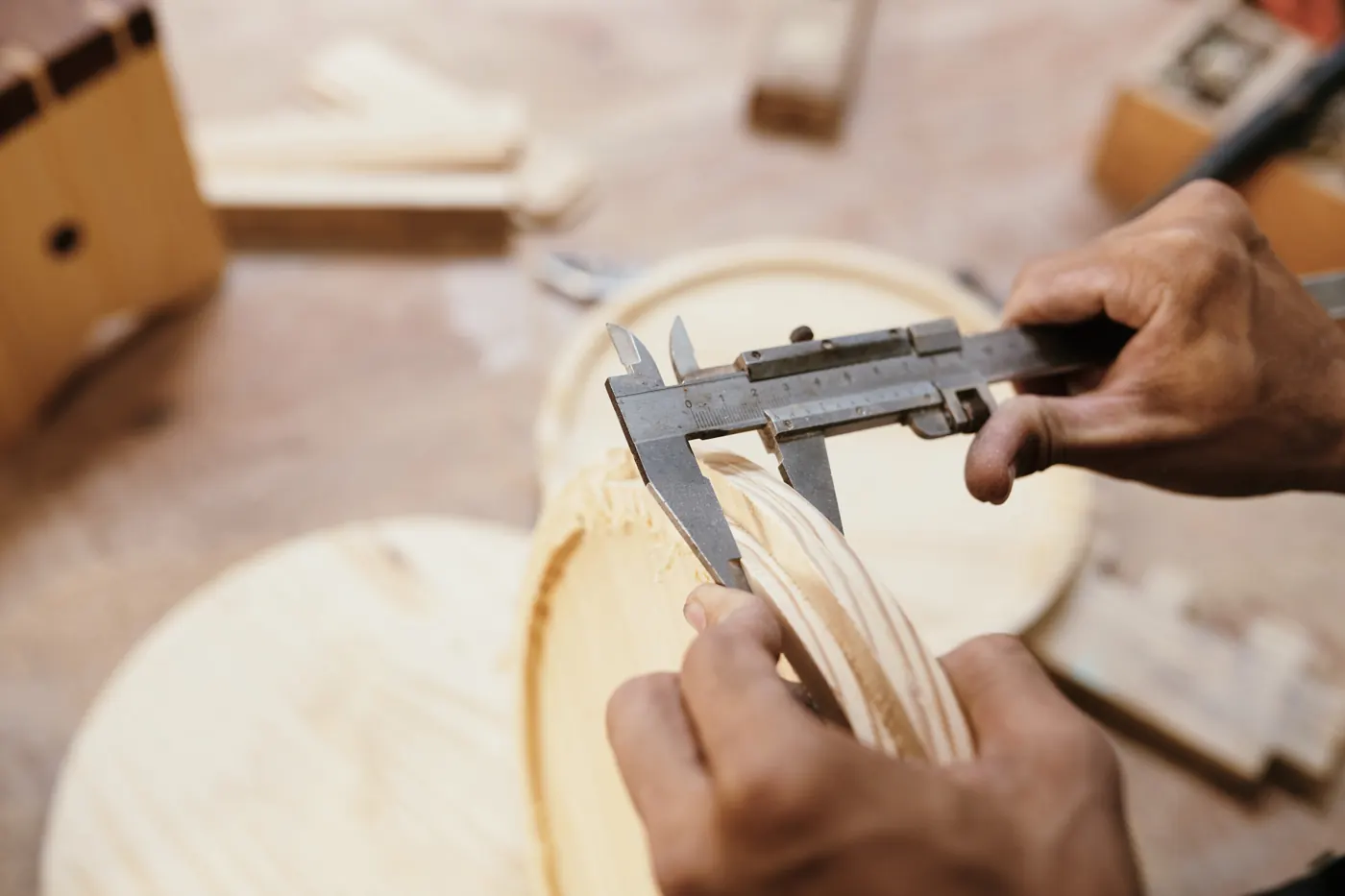
Print a representative section before committing to the full piece. Choose the feature most likely to decide the project: a small letter, a mating edge, a thin detail, or the visible face. Keep the sample’s relationship to the final part clear in your notes.
Use the intended material profile and record it. If you’re comparing two materials, document the settings used for each; don’t hide different preparation behind a claim that only the plastic changed. Inspect the samples against the requirements you wrote down.
For a fit, record the measured dimensions and what happens when the parts meet. For appearance, describe the visible issue in plain terms. “Threads between these two letters” is more useful than “bad quality.” Only record observations you actually make.
Keep the choice with the project
Save the filament’s brand, product, material name, and color with the model file and print settings. Record what the sample established and what remains unknown. The Workshop build log template gives those decisions a place to live.
Then choose for the requirements you have evidence for. A material that produces a good-looking shelf model has answered one question. A part expected to support a load, tolerate significant heat, or perform another demanding function needs evidence for that specific use.
Source note
This researched guide uses the linked Prusa material references, checked October 21, 2026. The briefs and sample plan are planning examples, not results from a Replicate Workshop comparison. Stock photographs illustrate filament, printed objects, measurement, and project notes; the plastic in a stock photograph is not identified as a tested PLA or PETG formulation.