

Destination planning guide with official National Park Service references.
Disclosure: This article is not sponsored. National Park Service photographs are individually credited.
Choose which part of Everglades National Park you want to visit before booking a tour or entering a destination into your navigation app. The park has entrances in three different cities, and those entrances are not connected by a through-road. A general plan to see “the Everglades” is not yet an arrival plan.
The winter dry season makes a first visit appealing: the National Park Service describes lower humidity, cooler conditions, and abundant wildlife from November through April. It is also a popular time, with busy parking areas and tours worth arranging ahead.
Here is how to turn those choices into a manageable day, with options for a boardwalk visit, a Shark Valley tram or bicycle trip, and a longer journey toward the coast.
Choose a visitor area, not a point in the middle of the park
Use the official directions page before comparing individual attractions. The NPS warns that the entrances and the interior Flamingo visitor area are separated by substantial drives. They should not be treated as neighboring stops in a compact city itinerary.
| Start here | What to build the visit around | What to check first |
|---|---|---|
| Shark Valley | The paved loop, observation tower, wildlife, and a tram or bicycle choice | Parking, tour time, bicycle arrangements, and the distance to the tower |
| Homestead entrance and Royal Palm | Boardwalks and trails, with a choice of stops along the Main Park Road | The approach drive, trail access, and how far into the park you want to go |
| Flamingo | The coastal area, marina, and separately arranged boat or overnight experiences | The full drive from the entrance, operating services, and reservations |
| Gulf Coast near Everglades City | Mangrove waterways and an appropriately booked water-based visit | Current visitor services, operator departure point, and the specific tour |
The Places to Go page connects these areas with their current visitor information. For a single day, choose one main area unless the actual journey and bookings leave a comfortable margin. A second region is often a reason to add another day, rather than to shorten every stop.
Understand what dry season does and does not mean
The NPS dry-season guide identifies November through April as the main cooler, drier visiting period. It also notes that cold fronts can change the weather and that mosquitoes and biting flies can still occur, particularly in some locations and around dawn or dusk.
Pack for the day you will actually spend outside: sun protection, water, suitable clothing, and insect protection. Add a layer for cooler conditions. A seasonal average is useful for choosing a trip window, but the near-term forecast should decide what goes in the bag.
The dry season is not a promise of empty trails. Winter weekends can bring queues at the Homestead and Shark Valley entrances. If a quieter arrival matters, compare a weekday and arrive with enough time before any fixed tour.
Shark Valley: decide between the tram, a bicycle, and a shorter walk
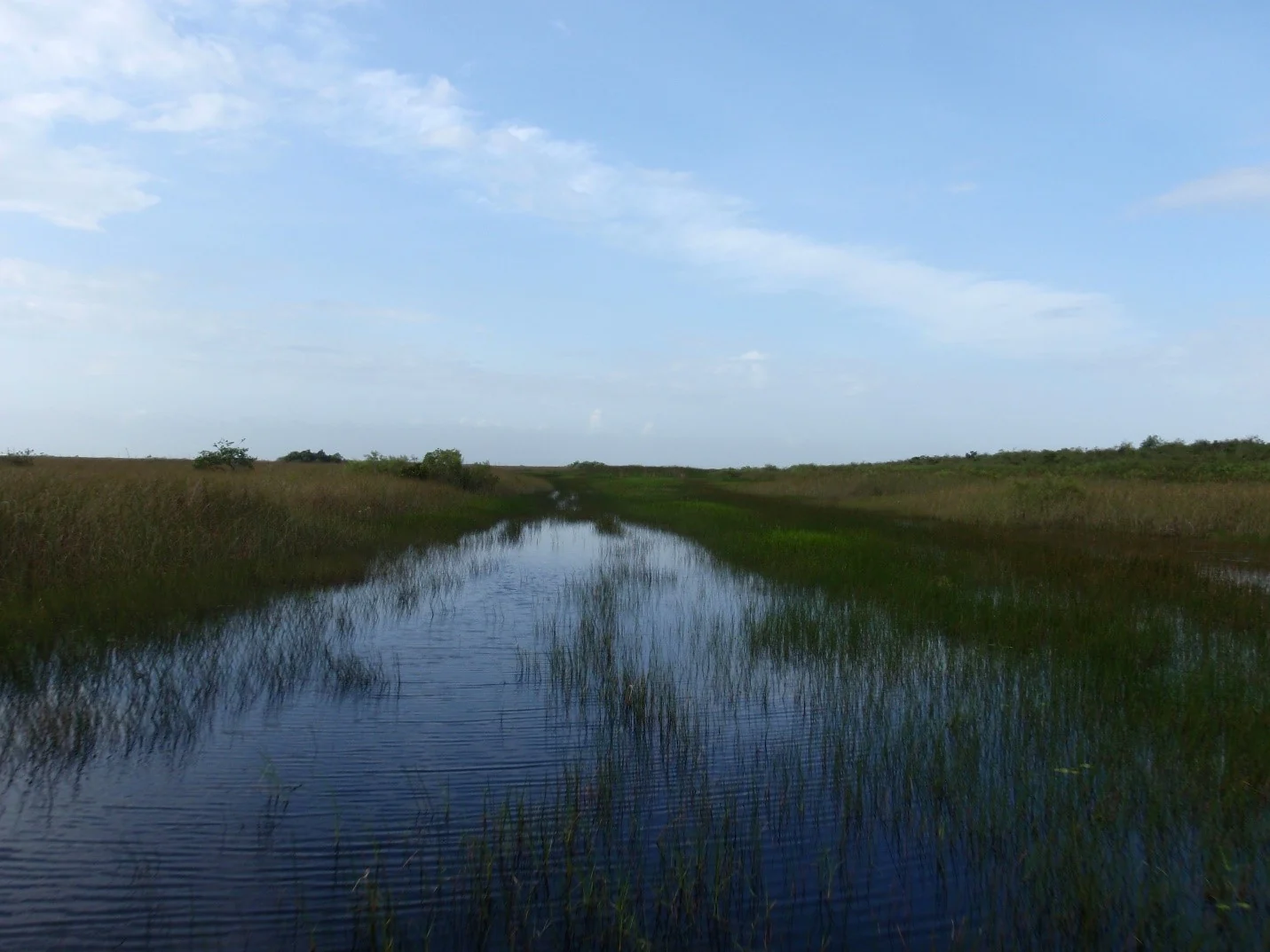
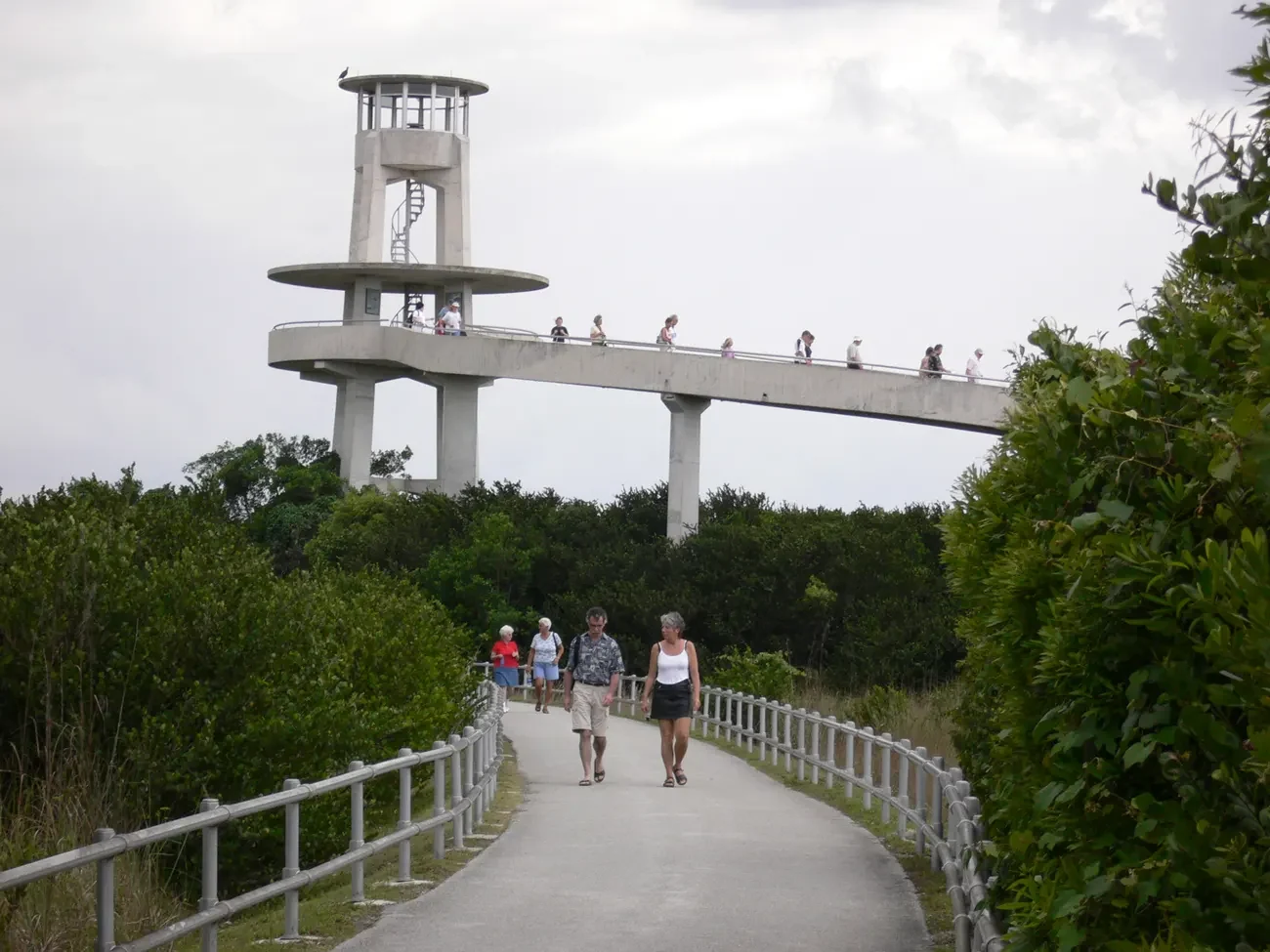
Shark Valley’s visitor page describes a 15-mile paved loop, with the observation tower around the halfway point. Private vehicles do not drive the loop. The choices are to use the tram, cycle, or walk an amount that suits the group.
That distance matters. The tower is not a short stroll from the parking area simply because it is the landmark shown in the photographs. Decide how you will reach it before promising it as an easy final stop.
For a tram visit, check the current concession booking information and arrival instructions. A tour reservation does not make the entrance queue or parking delay disappear. The NPS currently recommends a substantial arrival margin for scheduled tours during busy conditions; use the current instructions for your date.
For a bicycle plan, confirm rental availability, equipment, and any restrictions. Choose an effort level that fits your party and the weather, and follow the rules around wildlife. A paved surface does not make the whole loop a casual ride for every visitor.
Royal Palm: a useful starting point for a boardwalk visit
Royal Palm is the start of the Anhinga and Gumbo Limbo trails. The park describes both as wheelchair-accessible routes, using paved surfaces or boardwalks to explore different ecosystems. Check current conditions and the specific access details that affect your group.
This is a coherent choice when you want to spend time looking at wildlife and vegetation without organizing the day around the Shark Valley loop. Start with the trail that interests you, rather than treating both as items to finish as quickly as possible.
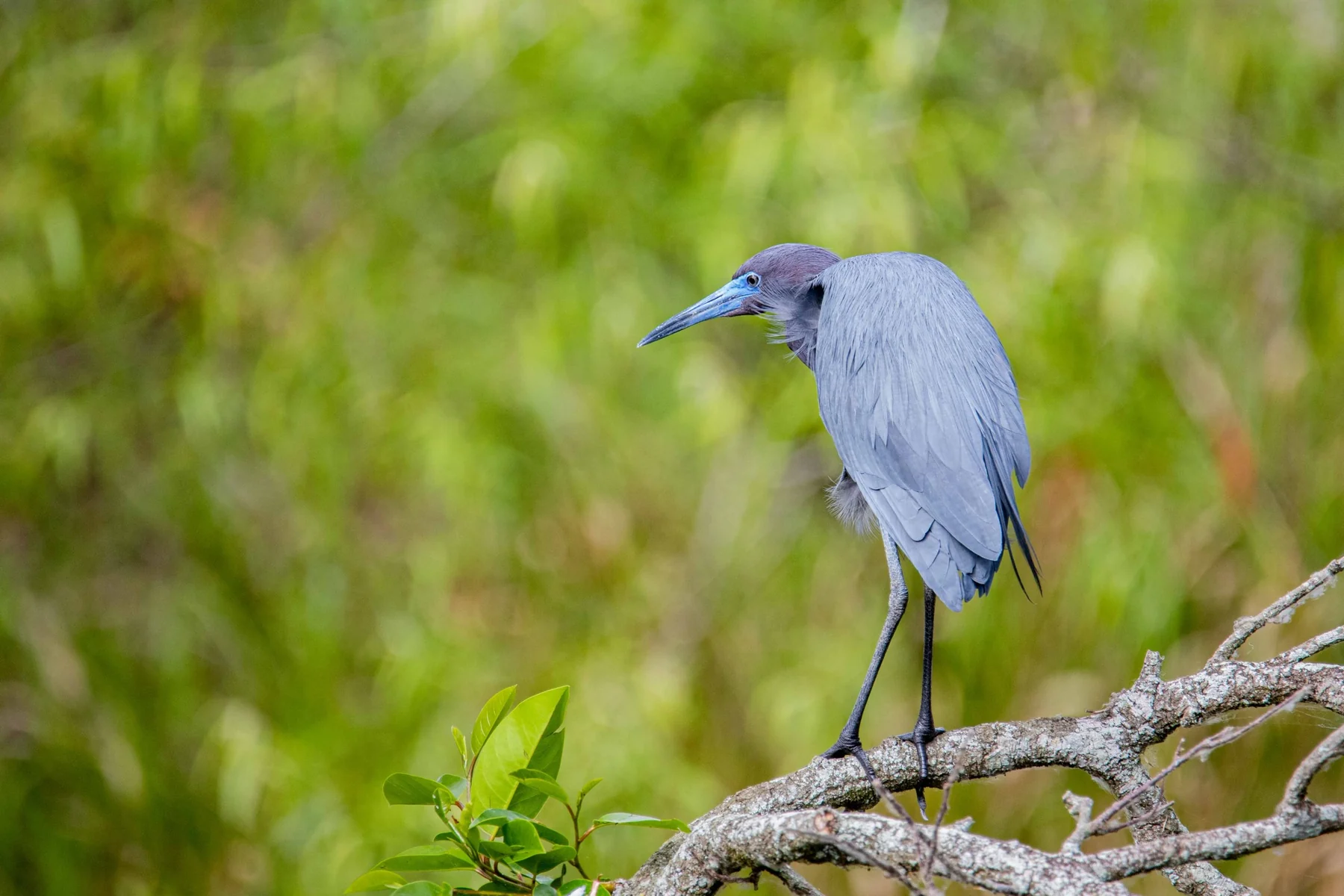
Use binoculars or a camera lens to look closely while leaving animals space. An alligator, bird, or other animal may appear in a different place from an old photograph, or not appear during your visit at all. The setting still has value without turning the walk into a search for a guaranteed sighting.
Continue toward Flamingo only if the drive belongs in the plan
From the Homestead side, the Main Park Road leads toward Flamingo and the coast. The official destination guide lists a marina, boat tours, campgrounds, houseboats, and the lodge among the area’s options. Compare the drive with the particular experience you want to use.
A coastal stop can give a longer visit a different landscape from Royal Palm. It is less useful as an automatic extension added because the road continues. Check the current services and any booking before committing the rest of the day to reaching them.
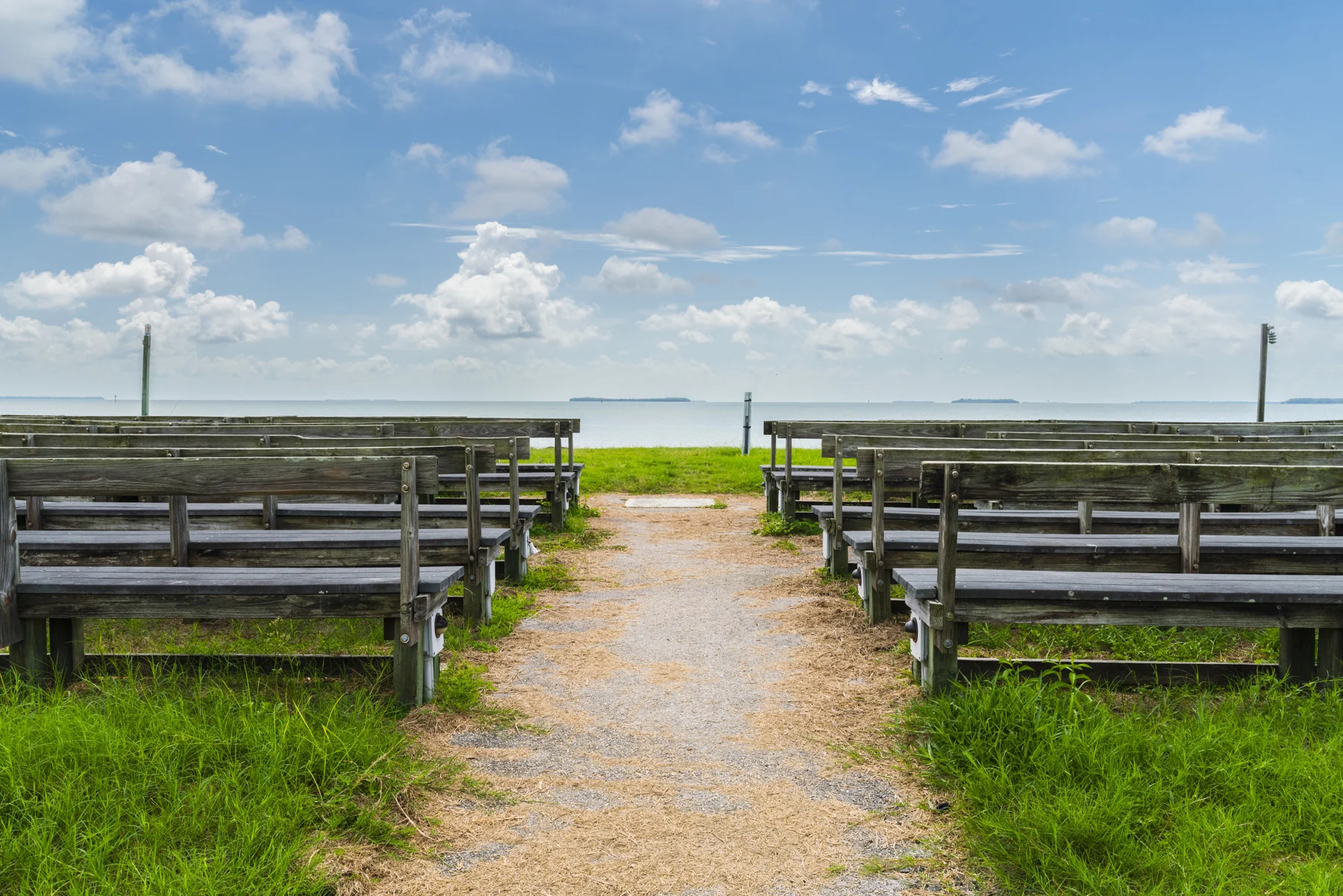
For an overnight stay, read the conditions for the actual lodging or campsite. A photograph of a campground or amphitheater does not establish that a program is running, that a site is available, or that all facilities operate in the same way throughout the year.
For a water-based trip, book the actual departure point
The words boat tour, airboat tour, and paddling trip describe different products. Compare the route, departure location, duration, equipment, access, and cancellation conditions before paying. A general Everglades label does not mean every operator departs from the park area you have chosen.
The Shark Valley page specifically explains that airboat tours are not physically located at Shark Valley and lists the park’s airboat concession services elsewhere along the Tamiami Trail. Do not arrive at the tram visitor center expecting to board an airboat.
Use the official guided-tour directory and the named operator’s current instructions. For independent boating, consult the park’s boating guidance for the chosen waterway and its requirements. A photograph of an airboat survey route is not permission to follow it recreationally.
Keep wildlife viewing comfortable for the animals
The park’s wildlife-viewing guidance emphasizes space, an avenue for retreat, and backing away when an animal changes behavior because of a visitor. Do not feed, chase, or surround wildlife, and respect nesting and denning areas.
The best photograph is not necessarily the closest position. Binoculars and a longer lens help you observe without moving into an animal’s space. Follow posted distances and staff directions, and do not use another visitor’s behavior as your guide.
If you are bringing a dog, check the pet rules before choosing a route. Pets are not allowed on most park trails. That restriction can change the practical plan much more than an extra item in the day bag.
Arrange the return journey before the outward ride
The NPS warns that visitors arriving by on-demand rideshare or taxi can have trouble finding a return vehicle. If you are not driving, arrange a reliable round trip or a verified alternative before being dropped off. A car available at a city hotel does not establish pickup availability at a remote visitor area.
Use the named visitor center or operator address, not only the park name, for the journey. Save the booking and route information, and allow for entrance and parking delays. Keep the return time flexible enough for the visit you actually bought.
Check current conditions, operating hours, and fees and pass conditions just before the trip. The right entrance, one main experience, and room to observe will usually make a clearer first visit than trying to cover every corner of the park.
Accurate as of October 2026. Check the linked National Park Service pages for current access, conditions, fees, and operating arrangements before traveling.
Featured photograph: NPS photo by Federico Acevedo
Found an error or an outdated detail? Send a correction for this article.