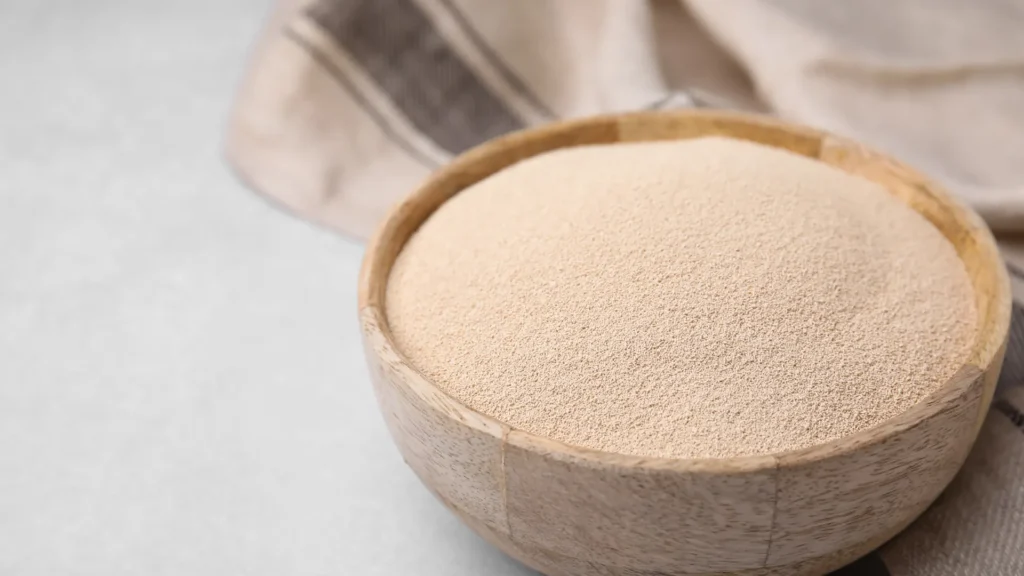

Active dry and instant yeast can often replace each other one for one in bread kneaded by hand or in a stand mixer. The dough may rise at a different pace. Before making the swap, read the recipe and the directions for the particular yeast you’re using, especially if the recipe calls for a packet rather than a measured amount.
Bread-machine recipes and specialty products need their own check. A convenient substitution in one method isn’t a rule for every product carrying the word yeast.
Can I use the same amount?
Red Star’s yeast FAQ permits a one-for-one swap between active dry and instant yeast for traditional hand- or stand-mixer dough making. It describes instant yeast as faster acting and active dry as more moderate, with rising time adjusted to the dough.
That is a useful starting point for ordinary dry baking yeast. If your package specifies a different equivalence, use that product’s instructions instead of assuming the general rule overrides it.
Does active dry yeast need dissolving first?
King Arthur Baking’s yeast guide explains that modern active dry yeast can be mixed with dry ingredients without first dissolving it. Red Star’s FAQ likewise allows either dissolving first or blending with the dry ingredients before adding warm liquid in traditional dough making.
Follow the method and liquid-temperature directions for the actual recipe and product. If those instructions call for dissolving the yeast, keep that step. Account for any liquid used there within the recipe’s liquid amount rather than adding an extra, unplanned portion to the dough.
The useful question is how this recipe incorporates this yeast. There is no need to turn a permitted method into a new requirement for every loaf.
What happens to the rising time?
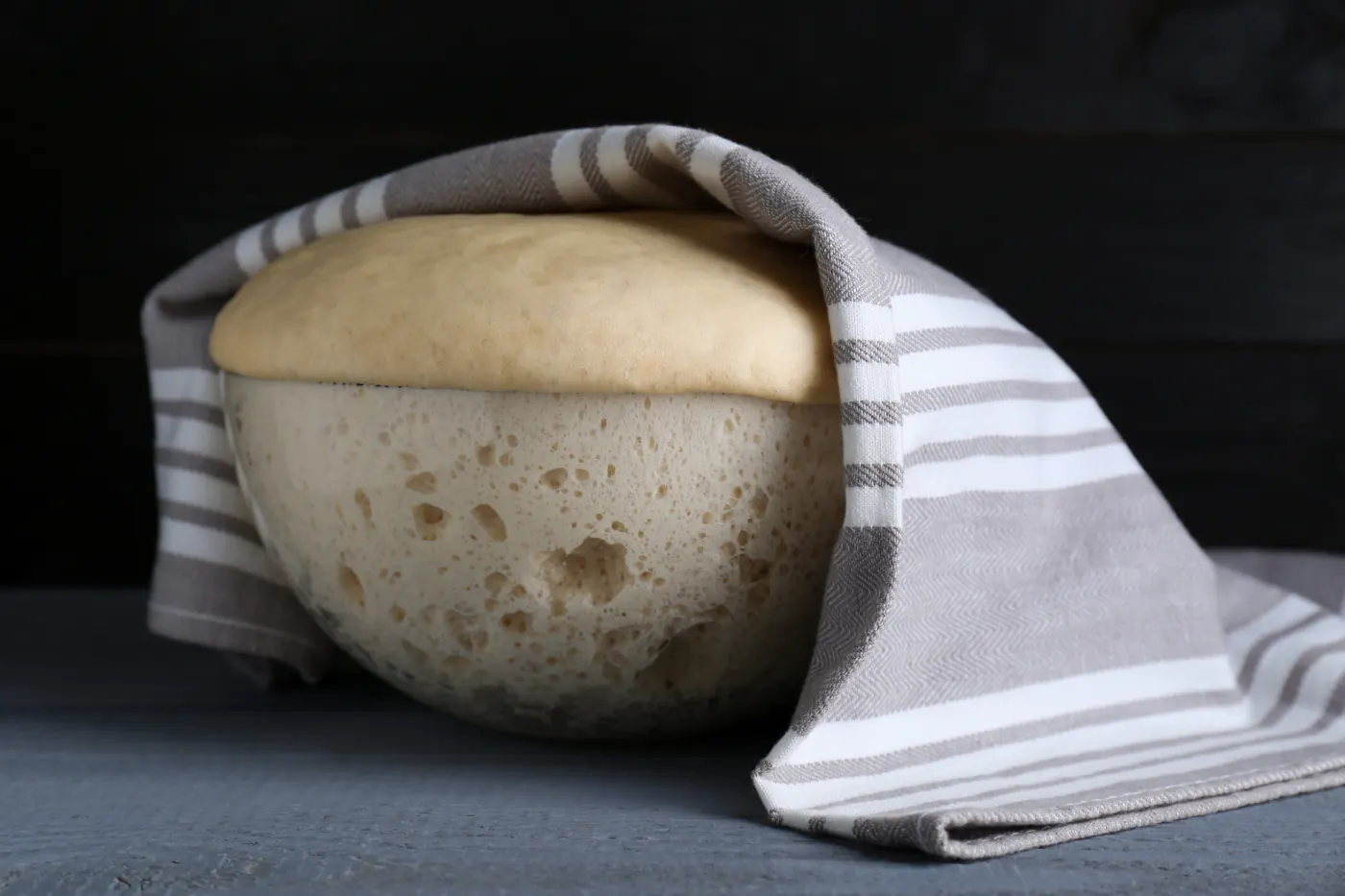
King Arthur’s guide recommends judging a rise by the dough’s progress rather than treating the clock as an unbreakable rule. Active dry yeast may take longer to get going than instant yeast.
Use the recipe’s stated signs for the stage you’re at. If it asks for a particular increase in volume, check that increase instead of moving on solely because the timer rang. Don’t impose the same target on every recipe or every rise.
For a repeat bake, note the yeast product and what the dough did at the recipe’s checkpoints. That is more useful than assuming a single observed time will apply next week under different conditions.
Is every packet equivalent to 7 grams?
No. For a concrete exception, Red Star Organic Instant Yeast comes in a 9-gram packet that the manufacturer says is equivalent in activity to a standard 7-gram packet of active dry or instant yeast.
Read the product name, packet weight, and stated substitution together. That example doesn’t mean every 9-gram product replaces 7 grams of another yeast. It explains why “one packet” needs the package beside it.
For bread-machine baking, use the recipe, machine instructions, and yeast maker’s directions for that method. Both Red Star and King Arthur distinguish machine substitutions from the straightforward traditional-method swap.
References
Red Star’s FAQ and Organic Instant Yeast product page, and King Arthur Baking’s yeast guide, checked October 21, 2026. This is researched ingredient guidance, not a Replicate bread trial. Stock photographs illustrate dry yeast and dough, not a comparison of rising performance.
Found an error or an outdated detail? Send a correction for this article.