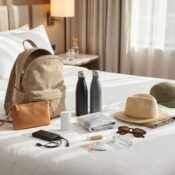


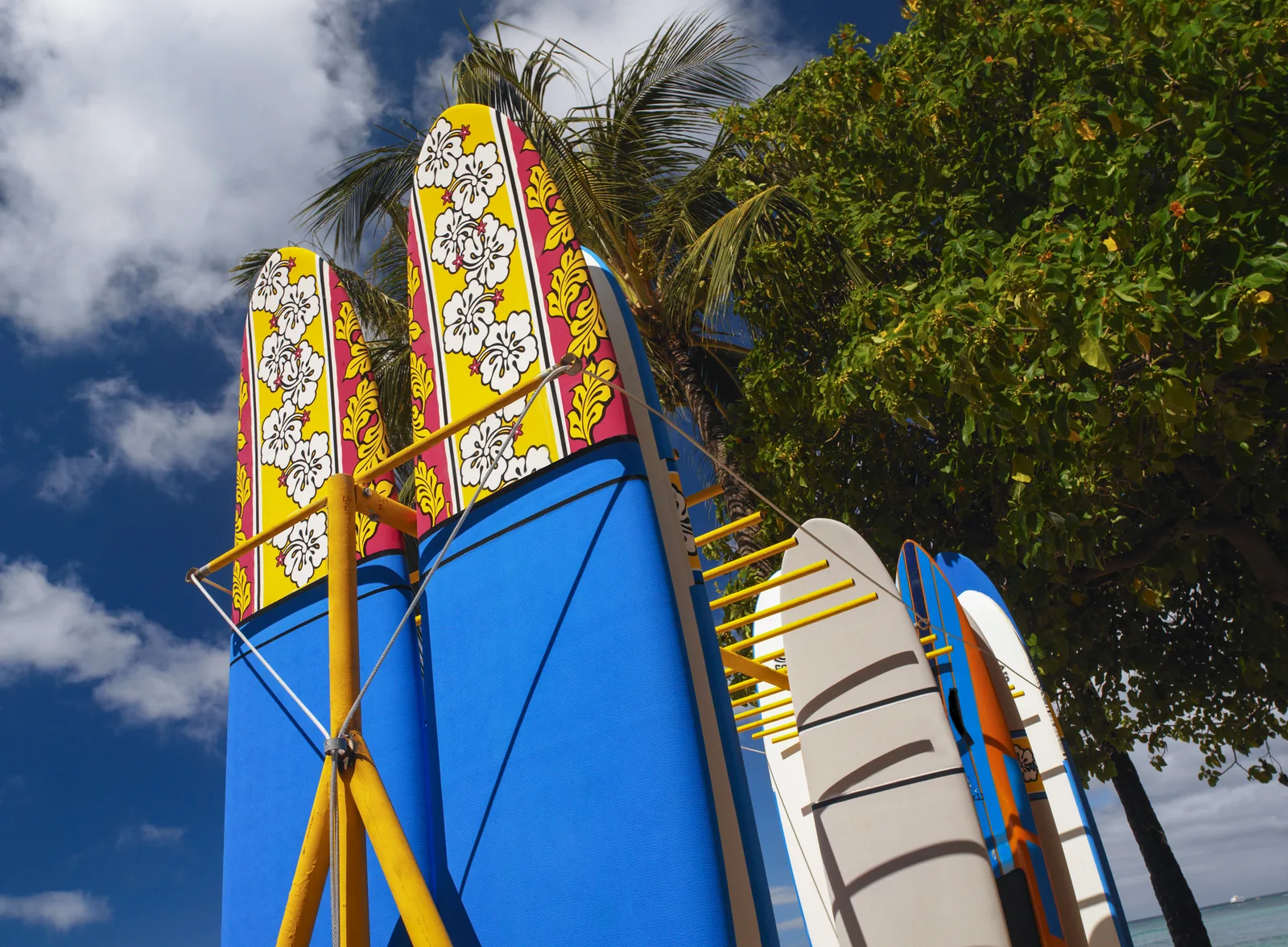
Pack for the activities on your Hawaii itinerary, not just the beach in the hotel photograph. Winter can involve warm coastal afternoons, wet walks, breezy boat rides, and a high-elevation visit that needs substantially warmer clothing.
The efficient bag has a small beach-and-town core, a useful rain layer, and any specialized items your actual plans require. It does not need every item on a generic tropical packing list.
Start with the trip’s coldest activity
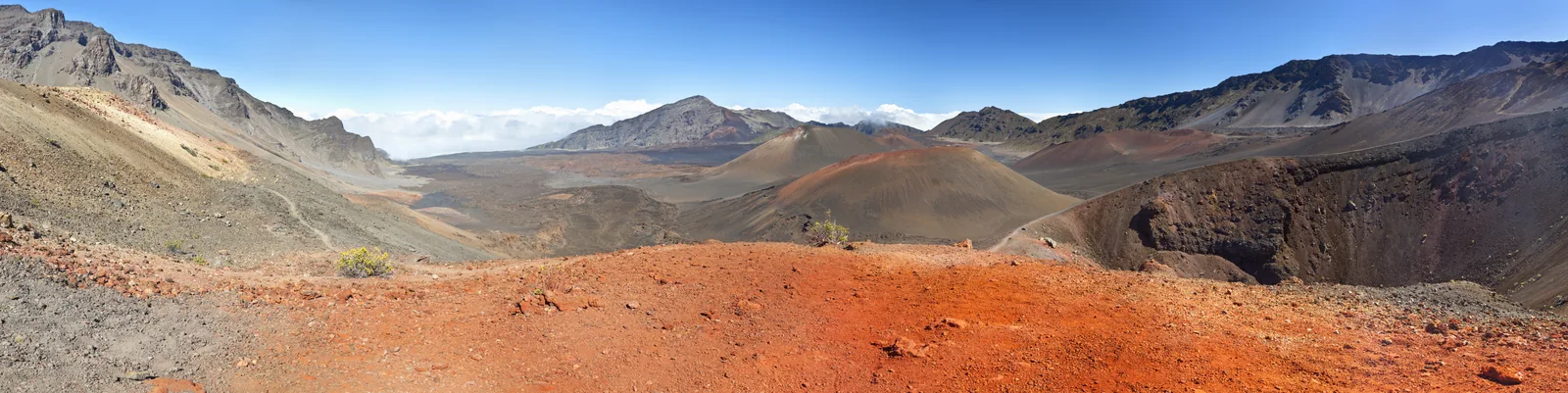
If you are visiting Haleakalā’s summit, build that clothing plan first. The National Park Service describes summit temperatures that can fall below freezing, with wind and damp conditions making it feel colder. Coastal weather is not a reliable guide to the summit.
Check the forecast and the park’s current conditions, then pack appropriate layers, footwear, and protection for the visit you intend. A beach towel wrapped over a short-sleeved shirt is not a substitute for the clothing the park recommends.
If your itinerary stays at the coast, you may not need that same set of warm items. The point is to pack for a real activity rather than bring a winter wardrobe because one exists somewhere on the island.
Build a repeatable coastal wardrobe
Choose lightweight tops and bottoms that work together, swimwear, sleepwear, and a cover-up or casual layer you can wear to and from the beach. Include an outfit that suits any restaurant you have booked. Check the venue’s own dress guidance when necessary.
Think about drying and laundry before reducing quantities. Two swimsuits may be more practical than one if you dislike putting on damp fabric. A rental with laundry can support a different packing plan from a short hotel stay without it.
Do not pack a separate beach towel until you know what the accommodation or activity provides. Likewise, rental snorkeling equipment may be more practical than carrying a full set you will use once. Compare fit, cost, and convenience rather than assuming ownership or rental is always better.
Put rain protection where you can reach it
Hawaii’s National Weather Service climate summary explains winter rain patterns and strong local variation. Bring an outer layer you will actually carry on a day out, plus a way to protect the items that should not get wet.
A bulky jacket left in the hotel does little for a wet walk back to the car. Choose a manageable layer and a day bag that keeps it accessible. Check footwear for the surface and activity, not just whether it matches the outfit.
Rain protection is not permission to follow a trail or enter water when conditions are unsuitable. Check current access and warnings before using the gear. The item in your bag and the decision to proceed are separate questions.
Shoes deserve a specific job

Bring comfortable footwear for the amount of walking you intend. Add suitable beach footwear and any shoes required by an activity provider. Avoid doubling up on several pairs that solve the same problem.
For hikes, use the trail’s current official information and choose a route within your group’s ability. Do not assume an attractive waterfall photograph describes an easy, dry path. If you are unsure whether a planned activity requires different footwear, ask the operator before the trip.
Keep the day bag simple
Carry the items you will use: sun protection, water, a light layer, necessary medication, payment, and relevant reservation information. Secure valuables and have a plan for them before everyone goes into the water.
For a boat trip, check bag and footwear restrictions. For a cultural venue, check its visitor rules. You may need less equipment than a generic excursion list suggests, but the specific instructions still matter.
Save confirmations and essential directions offline. Keep medication and important documents with you during flights rather than depending on checked luggage arriving on time.
Add less, verify more
Before bringing specialty gear, ask whether it is included, available to rent, permitted, and realistically useful. A large bag of equipment is not automatically more prepared than a smaller bag with the correct items.
Use Go Hawaii’s trip-planning resources and the activity’s own instructions. For the ocean, consult Hawaii’s current beach-safety resources and lifeguards. Seasonal expectations do not replace conditions at a particular beach.

One final check at home
Lay out the bag by day type: beach and town, wet-weather alternative, boat outing, and high elevation if applicable. Remove duplicate “just in case” items, but do not remove the one layer that makes a planned summit or boat visit comfortable.
Our Oahu itinerary and Maui trip record can help you think through the variety of days. Match the bag to your own route and dates.
Sources checked October 21, 2026. Verify forecasts, venue rules, and activity instructions before departure.
Related planning
Read Hawaii in December or January? Choose by the Trip You Want for the next planning decision.
Read Maui Whale Watching: How to Choose a Winter Boat Trip for the next planning decision.
Found an error or an outdated detail? Send a correction for this article.