

Arrowroot and cornstarch can both thicken a sauce. The more useful choice depends on the sauce’s ingredients, the finish you want, and what happens after the thickener goes into the pan.
Read the complete method before substituting. A sauce finished just before serving and one that continues cooking need different consideration. The name of the starch is only part of the decision.
What finish does the recipe want?
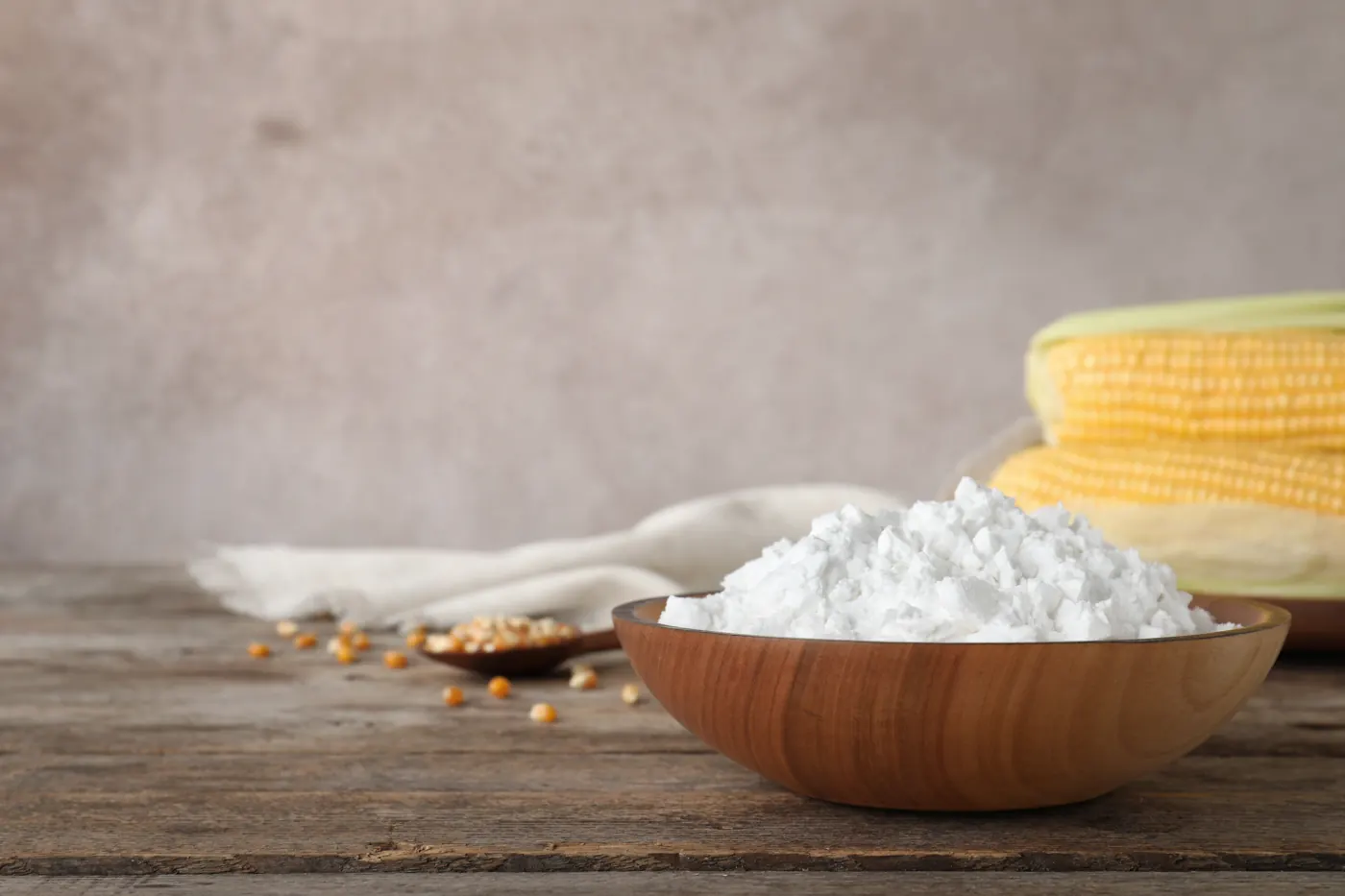
Bob’s Red Mill’s guide to starches describes cornstarch as a corn-derived thickener that adds opacity, while arrowroot gives sauces a shiny gloss. The rest of the recipe also contributes to what you see in the pan. Gloss is not exclusive to arrowroot: Argo also describes a glossy finish for cornstarch in its cooking guidance linked below.
Look at the intended result in the recipe’s instructions. Does the sauce need to coat the food lightly, form a more substantial gravy, or stay relatively clear? Use that description to judge the result rather than deciding that thicker is automatically better.
Check the other ingredients, too. The same Bob’s Red Mill guide advises against arrowroot in milk-based cream sauces. If you’re making a dairy sauce, look for a method developed for that combination rather than treating a general starch substitution as proof that it will work.
When is the thickener supposed to cook?
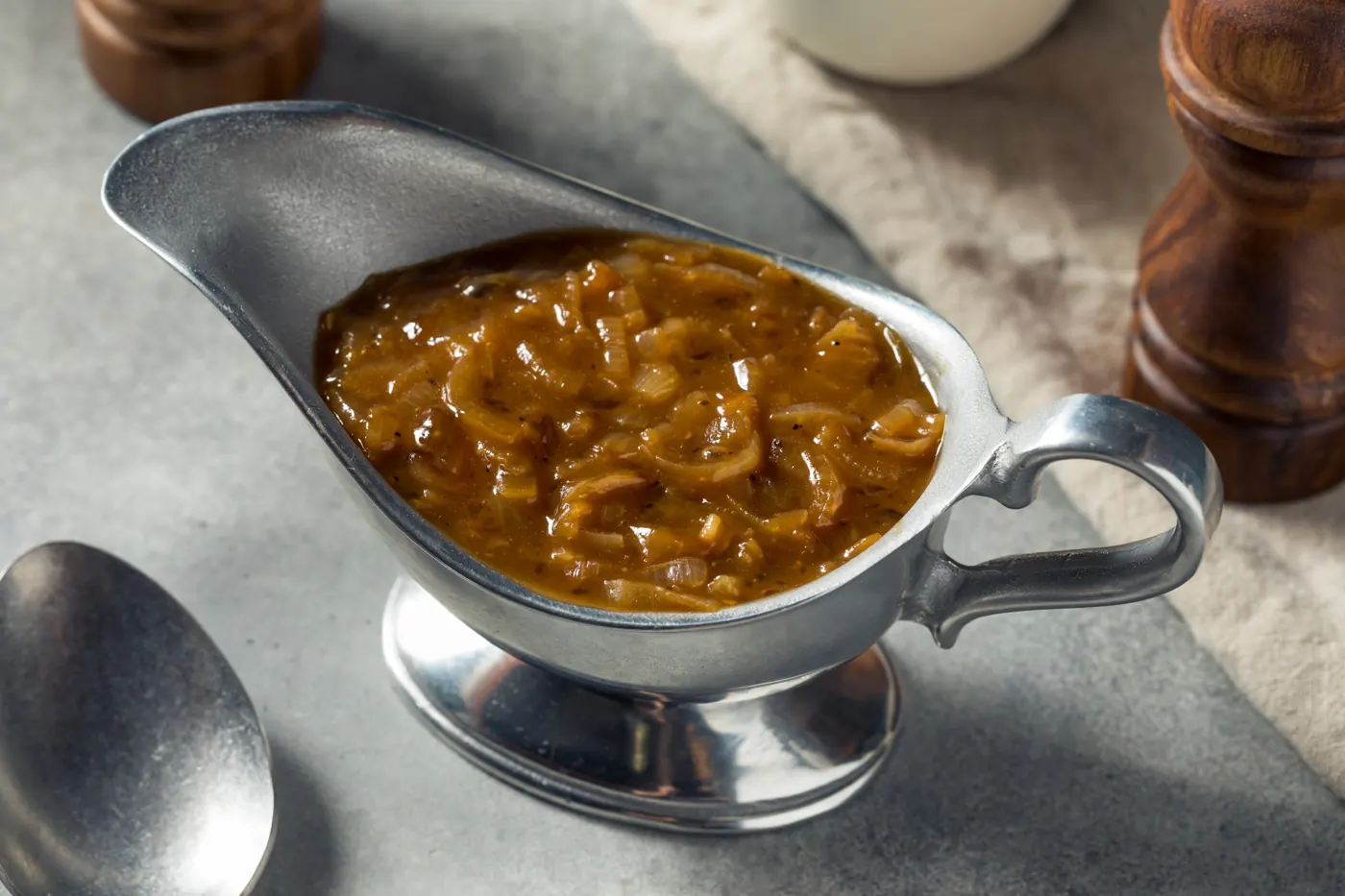
The heating instructions matter. Bob’s Red Mill’s arrowroot beginner guide recommends mixing arrowroot with cold liquid to make a smooth slurry, then adding it near the end of cooking to avoid prolonged heat exposure.
For cornstarch, Argo’s cooking guidance also starts with a smooth mixture in cold liquid. Its basic method then calls for bringing the mixture to a full boil while stirring and boiling for one minute. It cautions that excessive cooking can cause thinning.
Those are instructions for different starches. Don’t carry a cornstarch heating step into an arrowroot recipe just because you used the same measuring spoon. Follow the recipe and the instructions for the actual product you’re using.
Does a one-for-one swap settle the amount?
General guidance isn’t always consistent. Bob’s Red Mill’s starch guide lists a one-for-one arrowroot replacement for cornstarch, while its arrowroot beginner guide recommends starting with half the cornstarch amount and assessing whether more is needed.
That difference is a reason to look for instructions specific to your sauce. It doesn’t establish one reliable ratio for every combination of liquid, sugar, fat, and acid. If the recipe’s author gives a substitution, read the amount and the revised method together.
If you’re developing your own version, make a small batch and record the actual quantities and cooking sequence. Keep the original recipe beside the revised one. Changing both the starch and several other ingredients makes the result harder to interpret.
What if the sauce thins again?
Don’t assume the only explanation is too little starch. Argo’s FAQ lists several possible causes of thinning in cornstarch mixtures, including prolonged cooking, excessive stirring, and the proportions of ingredients such as acid, sugar, and fat.
Compare what happened with the method before making another change. Note when the sauce looked right and when it changed: during cooking, after another ingredient went in, or while cooling. That observation gives you a more useful starting point than a note that only says “needed more.”
Choose the starch as part of a complete method, then assess the sauce at the point you plan to serve it. If you find a combination you like, keep the product, amount, and sequence with the recipe so you can make it again.
Source note
This researched guide uses the linked Bob’s Red Mill and Argo references, checked October 21, 2026. The differing substitution advice is reported as published by the producer. This is not a tested Replicate Kitchen substitution. Stock photographs illustrate cornstarch and sauce preparation, without identifying the thickener in a pictured finished sauce.