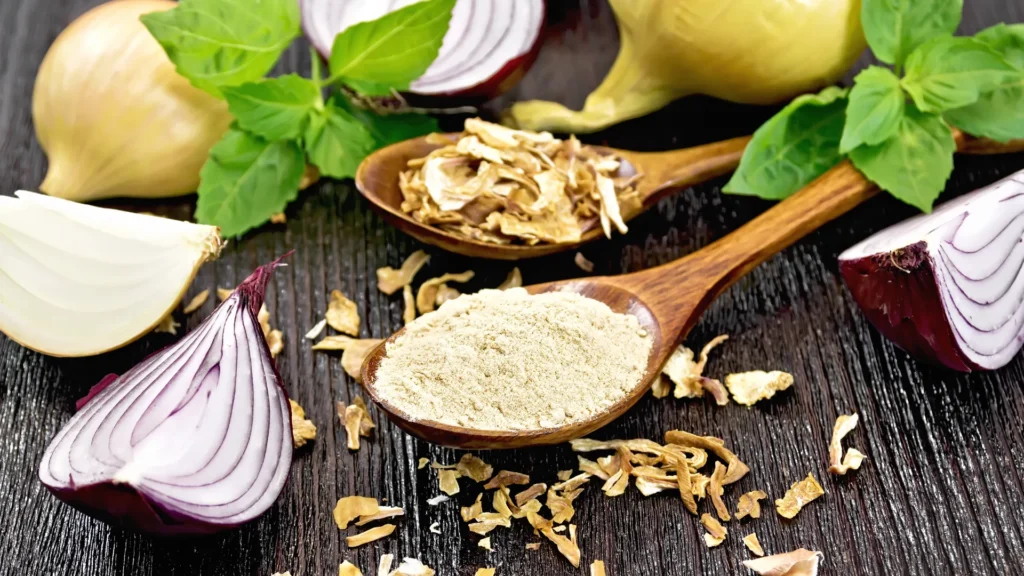

Dried garlic and onion pieces need moisture and time to soften. Powders and granules are useful when seasoning should spread through a sauce, rub, or blend without large pieces. Fresh garlic and onion contribute water and texture as well as flavor, so a swap can change how a recipe cooks.
Texture decides more than the jar label
Fresh garlic and onion need time to cook or soften, and may contribute moisture that a dry blend does not. A seasoning blend intended to stay shelf stable should not be treated as though adding wet fresh onion leaves its storage properties unchanged.
Compare the manufacturer’s descriptions of granulated onion and garlic powder with the actual packages you have. A product-specific conversion is a starting point for flavor, not a guarantee of identical texture.
Work out the substitution instead of guessing
Read the original recipe’s ingredient description. ‘Minced garlic’ normally does not mean the same thing as ‘dried minced garlic.’ If you substitute, record the brand, form, measured weight and actual liquid or cooking adjustment. An arbitrary volume conversion can exaggerate or understate the result because particle size and moisture differ.
For a comparison, season two equal portions of the same base and note not only the taste but also the texture after the same cooking time. The useful outcome may be that one form is more practical for a specific dish, not that it universally tastes better.
Keeping the collection clear
Label each jar with the physical form. Where guests have food allergies or restrictions, preserve the original package information. That is especially important for commercial flavored blends containing extra ingredients beyond the named garlic or onion.
Choose the form before changing the amount
- Dried pieces: consider moist preparations with enough time for them to soften.
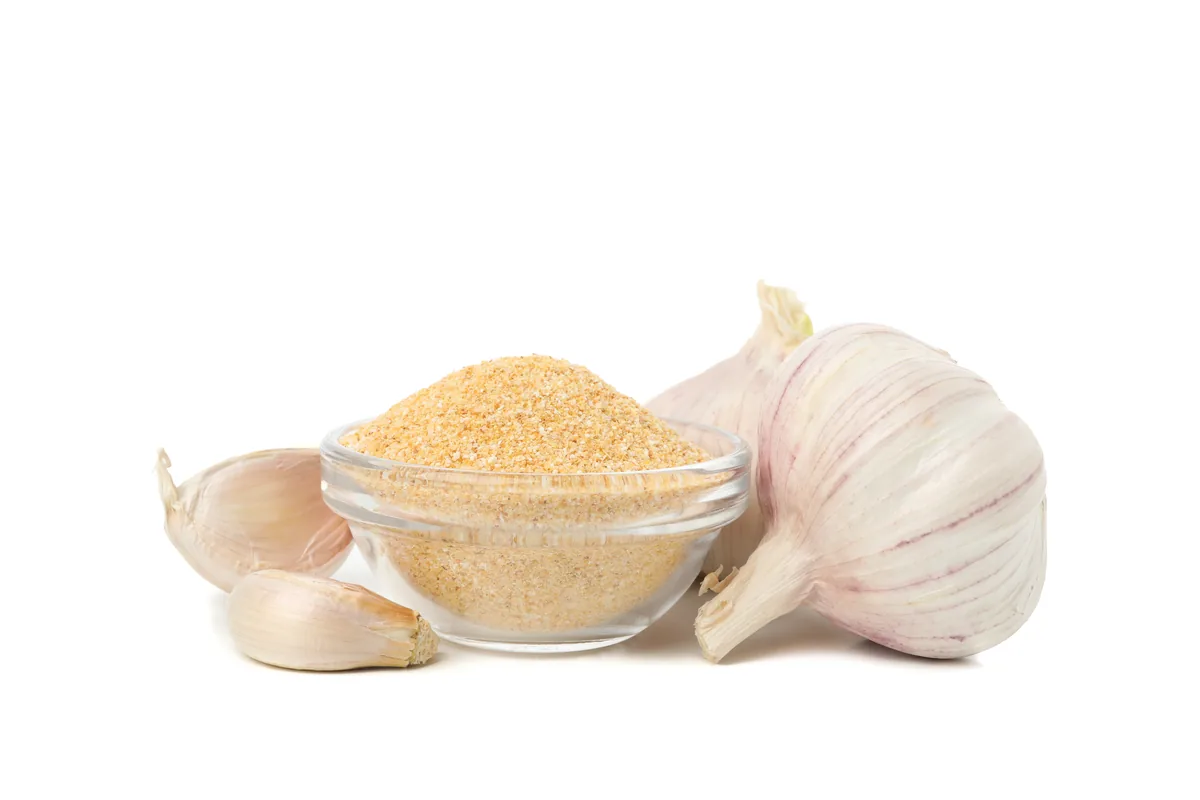
- Granules or powder: useful in rubs, breading, and sauces where large pieces are unwanted. Check the actual grind; names are not always consistent.
- Fresh: choose it when the dish relies on onion pieces, browned aromatics, or fresh garlic’s character.
Garlic salt and onion salt are blends, not plain powders. Account for that salt before adding the recipe’s full amount. A manufacturer’s conversion does not guarantee the same texture or water content as fresh ingredients.
Sources
Related guides
Found an error or an outdated detail? Send a correction for this article.