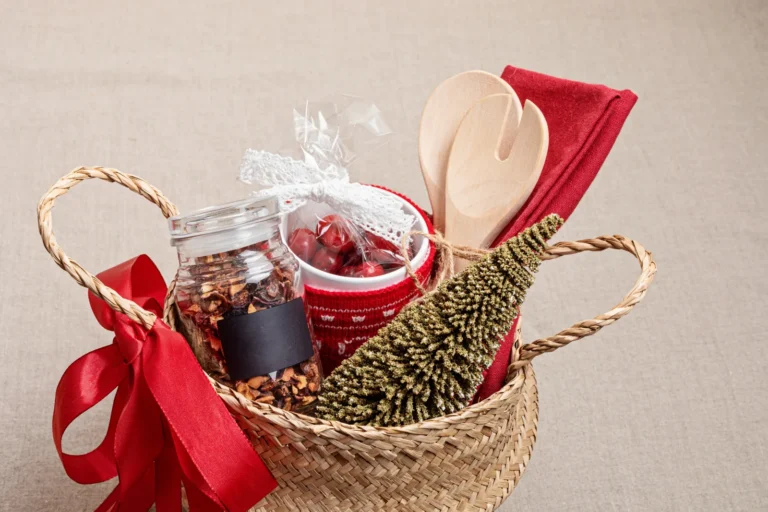


A white elephant party is a gift exchange where people can open a wrapped present or take an already opened one. That choice is the game. The part that deserves planning is what happens next: whether the same gift can be taken again, what the displaced person does, and when everyone is finished.
Use the house rules below for an exchange with one wrapped gift per participant, a maximum of two steals per gift, and a maximum of three steals during a single turn. Once the last wrapped gift is opened and everyone holds one gift, the exchange ends. No surprise bonus round.
White elephant rules vary between groups. This is a proposed version you can print or read aloud, not a claim that every party uses the same rules.
Choose useful gifts, funny gifts, or a clear mix
Decide the tone before setting the price. “Bring something you’d be pleased to take home” produces a different table from “bring the oddest thing you can find.” Neither instruction should be left for guests to discover when the presents open.
A useful-gift exchange can still be funny. The amusement comes from people changing their minds, an unexpectedly popular item, and the reveal. Gifts aimed at embarrassing a particular guest can put that person on the spot long after everyone else has moved on.
For a mixed group, choose complete, usable gifts and allow a playful presentation. For a group that explicitly wants gag gifts, state that in the invitation. Decide whether secondhand gifts, regifts, homemade items, food, and alcohol fit this gathering. Don’t make assumptions about colleagues or friends you know less well.
Set one budget everyone can follow
A sample target is about $20 for one gift, with a $25 item-price ceiling. Those are planning choices, not required white elephant amounts. Pick a lower target if that fits your guests. Say whether tax and delivery are inside the spending limit.
One participant means one gift and one place in the game. A couple playing separately brings two gifts. If two people share one entry, they bring one gift, take one turn, and receive one gift between them.
A discount purchase doesn’t need to become an appraisal exercise, but don’t use an inflated original price to justify a visibly different contribution. The useful question is whether the item meets the invitation’s budget and gift expectations. Keep receipts available privately when practical.
What to bring to a white elephant party
- A small game or puzzle: choose one that works without a missing subscription, controller, or accessory.
- Something for the kitchen: a complete utensil set, serving accessory, or other broadly usable item.
- A reading-night gift: a book or book accessory, with a clearly stated secondhand policy.
- A sealed snack collection: retain ingredient labels and check group restrictions before choosing food.
- A practical everyday item: a reusable bag, desk accessory, or compact organizer.
- A themed surprise: something that fits “game night,” “cozy evening,” or another broad prompt.
These are shopping directions, not verified recommendations at a particular current price. Avoid clothing sizes, strong fragrances, adult content, and gifts that need a specific phone or appliance unless the group has agreed. Keep the wrapped size reasonable enough for the host’s table and guests’ trip home.

Prepare the room and a simple tracking sheet
Put wrapped gifts together without the givers’ names showing. Draw numbers from 1 through the participant count to establish turn order. Seat people where they can see the opened gifts, or let the host describe and bring items around.
Have a pen and a list of gifts ready. Record a gift’s first steal and second steal as they happen. After its second steal, place a card beside it saying “Frozen: stays with this player.” Text makes the rule clear without relying on a particular sticker color.
You can label opened gifts A, B, C, and so on as they appear. The label follows the gift, not the player. Opening a present doesn’t count as a steal. Moving it later by taking it from someone does.

White elephant rules to read aloud
- Player 1 opens a gift. Show it to the whole group.
- On each later numbered turn, choose one action: open an unopened gift, or steal an opened gift that isn’t frozen.
- If your gift is stolen, act next. Open a wrapped gift or steal a different eligible gift. Don’t immediately take back the gift just taken from you.
- Each gift can be stolen twice in the entire game. Its second steal freezes it with the new holder.
- A numbered turn allows at most three steals in total. After the third steal, the person left without a gift must open an unopened one. That ends the turn.
- Opening a wrapped gift ends the turn. Continue to the next number that hasn’t had its original turn.
- The exchange ends when the final wrapped gift is opened. Everyone should hold one gift. There is no final first-player swap in this version.
If a player’s own gift comes up, they may choose another wrapped gift while there is a choice. Near the end, someone can receive their own contribution. Allow mutually agreed trades after the game rather than inventing a redraw that changes other people’s results.
What a stealing chain looks like
Suppose Player 4 takes a game from Player 2. That’s the first steal of this numbered turn. Player 2 can open a gift or take another eligible opened gift, but cannot immediately reclaim the game.
If Player 2 takes Player 1’s mug set, that is the second steal of the turn. Player 1 may now open or make a third eligible steal. If Player 1 takes Player 3’s puzzle, Player 3 must open a wrapped gift because the turn has reached its three-steal limit. The host then calls Player 5.
The gift’s lifetime steal count and the turn’s steal count are different. A puzzle might freeze after its second steal even when it is only the first steal of the current turn. Say both counts aloud when needed.
Why there isn’t a final swap
Some groups give Player 1 a last choice after all the gifts open. That can be part of another valid rule set, but it also needs rules about frozen gifts and whether another chain starts. This version ends after the last opening so the finish is clear.
Player 1’s initial choice is limited, while later players can see more gifts. Random turn order shares that uncertainty; it doesn’t make every turn identical or guarantee an equally desirable result. If guests care more about a particular person’s preferences than the game, a name-draw exchange may fit better.
Copy-ready white elephant invitation
Bring one wrapped, usable gift at about $20, with a $25 item-price ceiling before tax. Please skip gag-only gifts, alcohol, and strongly scented items. Each person who brings a gift gets one entry. We’ll draw turn numbers, allow two steals per gift and three steals per turn, and finish when the last present opens. No final bonus swap. Please RSVP by the date below. You’re welcome to join the gathering without playing.
Replace the example amounts and exclusions with your group’s decisions. Add the date, location, arrival time, and when the exchange starts. If you’d like guests to bring food, include that request here, with an option to keep it simple.
Give the party a theme without changing the rules
A “things for a night in” exchange can include games, snacks, and small household comforts. “Useful and a little odd” leaves room for personality without asking guests to buy trash. A secondhand book exchange works if everyone knows condition and inscriptions are part of the appeal.
Christmas wrapping is optional. A Halloween version can use mystery parcels and pumpkin number cards; a summer gathering can use plain bags and picnic-themed gifts. Keep the contents within the stated rules even when the wrapping is deliberately misleading.
Late arrivals, missing gifts, and a comfortable ending
Wait to draw numbers until the players are confirmed. A late guest can join the gathering without joining an exchange already in progress. If the host plans a spare gift for a forgotten contribution, include that purchase in the host budget rather than counting on someone else to provide it.
Let the host handle disagreements. Keep the printed rules beside the gift table, and correct a missed steal count before continuing. Don’t reopen a completed exchange because somebody found a different rule online.
Keep trades voluntary. After the game, two guests can trade if both want to. Nobody owes a swap because someone else is disappointed, and declining doesn’t need an explanation.

Common questions
Is white elephant the same as Secret Santa?
No. In white elephant, people choose from a shared gift pool and may steal. In Secret Santa, each giver is assigned a recipient before shopping. The gift-exchange comparison explains the different formats.
Can a frozen gift be stolen again?
Not under these rules. The frozen label means its place in the game is settled. A private, voluntary trade after the exchange is separate from a steal.
How long should the party take?
Allow a separate window for the game rather than promising an exact duration. Group size, unwrapping, explanations, and stealing all change the pace. Have the rules ready before you begin, and keep food and conversation available afterward.
For an exchange centered on personal recommendations, try the three-round favorite things sampler. For a collection everyone shares equally, use the everyone-gets-one gift-bag format.
Photography: licensed stock images from Envato Elements, used to illustrate gift ideas and hosting setups. These images do not document a Replicate Workshop party.
Featured photo: JR-50 / Envato Elements.
Found an error or an outdated detail? Send a correction for this article.