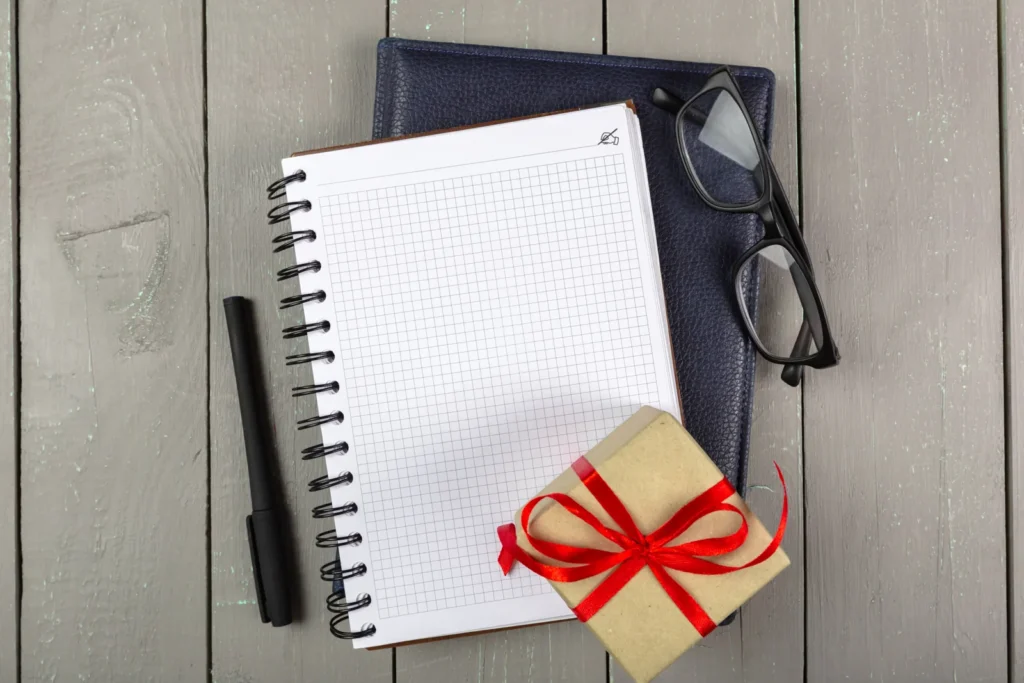

A favorite things party gives everyone a chance to share something they actually like using. Each person brings several copies of one favorite, tells the group why they chose it, and takes home a few other people’s picks. The interesting part is the recommendation behind the gift: a pen that writes smoothly, a kitchen tool that solves a small problem, or the chocolate someone keeps buying.
For this version, bring three identical, unwrapped gifts. Use a numbered seating circle and three planned rounds to distribute them. Everyone leaves with three different people’s favorites, nobody receives their own contribution, and the group doesn’t have to keep drawing names until the last few slips happen to work.
These house rules are written for at least four participants; six to twelve makes a manageable starting guest list.
Favorite things party rules at a glance
- Each participant brings three copies of one favorite item.
- Set one price target for each copy and state the total purchase cost.
- Leave gifts unwrapped so people can see the recommendations.
- Assign everyone a numbered seat after all participants arrive.
- Share the story behind each favorite once, then distribute gifts in three rounds.
- Everyone receives three gifts from three different contributors. There is no stealing.
If you want every person to receive every favorite, use the everyone-gets-one gift-bag format instead. That version needs a copy for every participant, including the giver. Here, the shopping quantity stays at three even if the guest list grows.
Set the total budget before anyone shops
Choose an amount your group is comfortable spending, then divide it by three. A $30 item budget means three $10 gifts. A $15 item budget means three $5 gifts. Neither number includes tax, delivery, or a bag unless the invitation specifically says it does.
Keep the target narrow. “About $10 per copy, with a $30 item total” gives clearer guidance than “anything under $30.” If one guest brings three $3 items and another brings three $20 items, the rules allowed a difference the host could have prevented.
Decide whether a multipack can be divided. Three individually labeled items from a larger package can work if each recipient gets a complete, usable gift. A portion of a set that needs the missing pieces does not. Judge the contribution by what the recipient receives, while remembering that the buyer still pays for the entire pack.
For couples, decide whether they are two participants or one joint entry. Two participants bring six gifts and receive six gifts between them. One joint entry brings three and receives three. The invitation should make that choice explicit.
Choose favorites with a reason behind them
The item doesn’t need an impressive brand or elaborate presentation. It needs a useful explanation. Ask guests to finish this sentence: “This is a favorite because…” A small notebook makes more sense when someone explains why its size works in their bag; a tea choice becomes more interesting when they describe when they drink it.
- Desk and paper: a notebook, bookmark set, pens, or a compact pencil case.
- Kitchen: a small spatula, measuring spoon set, dishcloth, or bag clips.
- Food and drink: sealed chocolate, tea, coffee, or a seasoning with ingredient information attached.
- Making and mending: a small sewing kit, useful clips, or a craft supply that doesn’t require specialized equipment.
- Everyday errands: a reusable shopping bag or another compact item the contributor can explain.
These are categories to shop within your chosen budget, not verified product prices. Ask about food restrictions and scent sensitivities privately before choosing categories. Skip gifts that depend on a clothing size or a device everyone may not own. A personal favorite can still be a poor fit for this particular group.

Set up the three-round sampler
You need numbered place cards, a small gift area beside each seat, and a bag for each person. Leave room for anyone who prefers to remain seated; gifts can be passed or delivered by the host. You don’t need a display with three levels of decorations competing with the actual items.
- Confirm the players. Count only people taking part in the exchange. Guests can join the gathering without buying gifts.
- Shuffle the seating. Assign seats 1 through the final participant count. Keep those numbers for all three rounds.
- Explain each favorite. Give everyone a brief turn to say what they brought, why they like it, and anything a recipient needs to know. Passing on speaking is fine.
- Round one: give one copy to the person one seat ahead.
- Round two: give one copy to the person two seats ahead.
- Round three: give the last copy to the person three seats ahead.
- Check the count. Every participant should have three gifts from three different contributors before optional trades begin.
Count in the same direction each time, and wrap back to seat 1 after the highest number. With six people, seat 5 gives to seats 6, 1, and 2. Seat 6 gives to seats 1, 2, and 3. Each giver follows the same rule, so each recipient gets one contribution in each round.
A six-person example
| Giver’s seat | Round 1 | Round 2 | Round 3 |
|---|---|---|---|
| 1 | 2 | 3 | 4 |
| 2 | 3 | 4 | 5 |
| 3 | 4 | 5 | 6 |
| 4 | 5 | 6 | 1 |
| 5 | 6 | 1 | 2 |
| 6 | 1 | 2 | 3 |
Don’t change seats between rounds. With four participants, everyone receives every other person’s favorite. With more than four, each person receives a sample of three favorites. This format assigns gifts; it doesn’t promise that every person will get their first choice.

Invitation wording you can copy
Bring three identical copies of one thing you enjoy using, at about $10 per copy ($30 for the three gifts, plus your tax or delivery). Keep them unwrapped. We’ll each explain our favorite once, then use three numbered rounds so everyone takes home three different people’s picks. No stealing or extra gifts are needed. I’ll provide the take-home bags. Please RSVP by the date below, and send any food or scent restrictions privately. You’re welcome to come even if you skip the exchange.
Add the date, place, RSVP deadline, and any theme. For joint entries, add: “Please tell me whether you’re participating individually or as one household entry.” Avoid asking for a gift and a substantial food contribution without including both expectations in the invitation.
Give the table a theme, not a shopping obstacle
A “small everyday upgrades” theme leaves room for kitchen, desk, and household favorites. “Something for a quiet evening” could include a book accessory, snack, tea, or small project. Make the theme broad enough that guests can bring a real favorite rather than a novelty purchased only to match the decorations.
For Christmas, use reusable bags or stockings for the three gifts. For Halloween, try dark bags and numbered pumpkin place cards. For Valentine’s Day, use envelopes or small boxes for a friendship-themed sampler. A summer version could focus on small items for picnics and days outside. Confirm the size limit before buying containers.

Handle the small complications before the first round
A late participant: wait to assign the final seats until they arrive, or have the host hold their numbered place and gifts. Don’t insert a new number midway through distribution.
A cancellation: remove that participant before assigning seats. Because everyone still brings three gifts, the remaining group can run the same system as long as there are at least four participants. With only three people, switch openly to two copies each so everyone receives the other two favorites.
Duplicate contributions: two people may love the same thing. Offer a private category check before shopping if variety matters. Otherwise, accept the overlap and allow voluntary trades afterward.
A forgotten gift: keep the gathering welcoming. A host can offer a spare three-copy contribution if one was planned and budgeted, or let the person enjoy the party without entering the exchange. Don’t ask them to make a surprise purchase on arrival.
Common questions
Does everyone get the same gifts?
No. Everyone receives three favorites, but the assortment varies when there are more than four participants. Choose the everyone-gets-one bag assembly if identical assortments are the goal.
Can guests pick the gifts they want?
Not during the numbered rounds. The assigned distribution keeps quantities balanced. Afterward, two people may agree to trade; nobody has to.
Do the gifts have to be new?
State your rule in advance. New, complete gifts are a straightforward default. A secondhand book or handmade item can fit a specific agreed theme, but shouldn’t surprise people expecting purchased items at a shared price target.
Choose the exchange that fits your group
Start with the gift-exchange comparison if you’re choosing between formats. Use this sampler when the recommendations matter and three gifts per person fits the budget. Use the shared gift-bag guide when everyone should take home the whole collection.
Inspiration: KariAnne Wood’s Favorite Things party guide at Thistlewood Farm describes a three-gift name-drawing format. The numbered distribution, examples, and invitation above are this guide’s own proposed house rules.
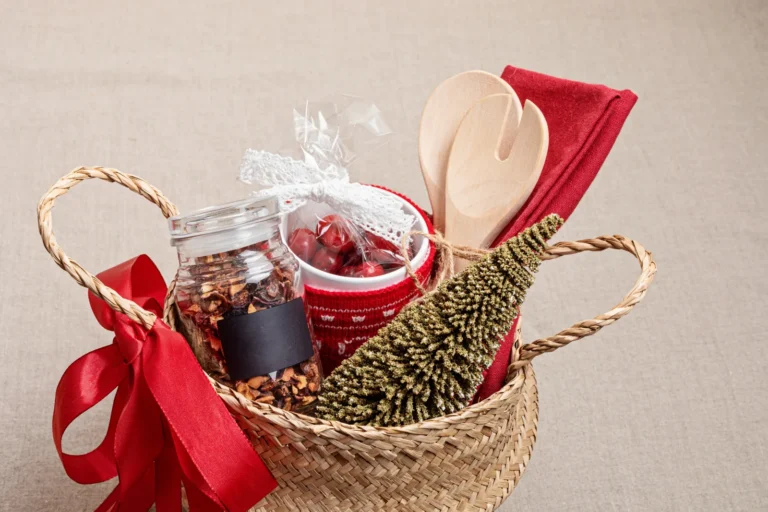
Photography: licensed stock images from Envato Elements, used to illustrate gift ideas and hosting setups. These images do not document a Replicate Workshop party.
Featured photo: FabrikaPhoto / Envato Elements.
Found an error or an outdated detail? Send a correction for this article.