
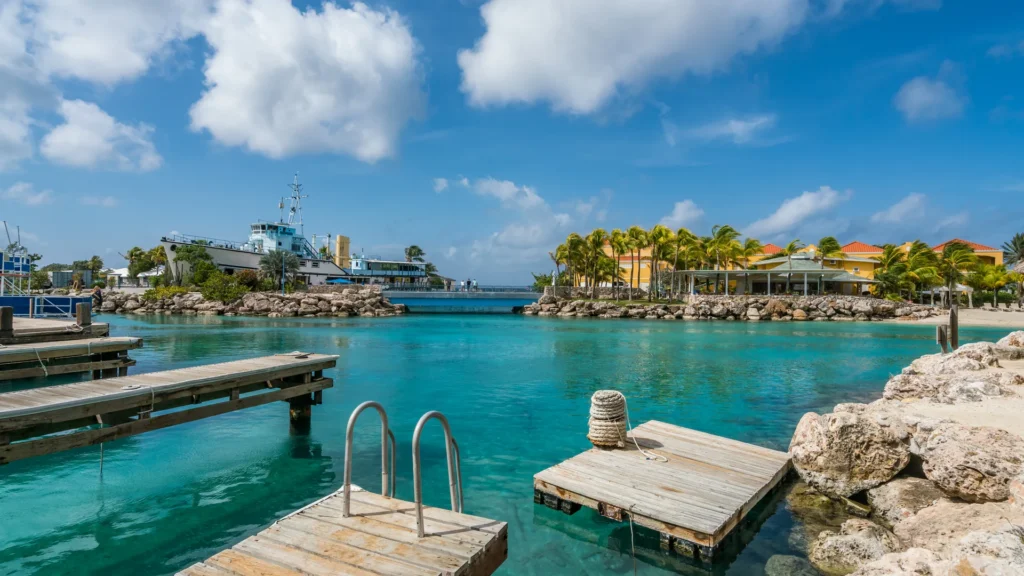

Book a winter cruise excursion because the activity, timing, and terms fit the port day. Do not prepay the whole itinerary merely to make the schedule look complete. Leave a clear answer to what happens if the ship changes its call, the operator cancels, or you decide not to go.
Those are three different situations. The refund arrangement for one does not automatically apply to the others.
Begin with the ship’s port day
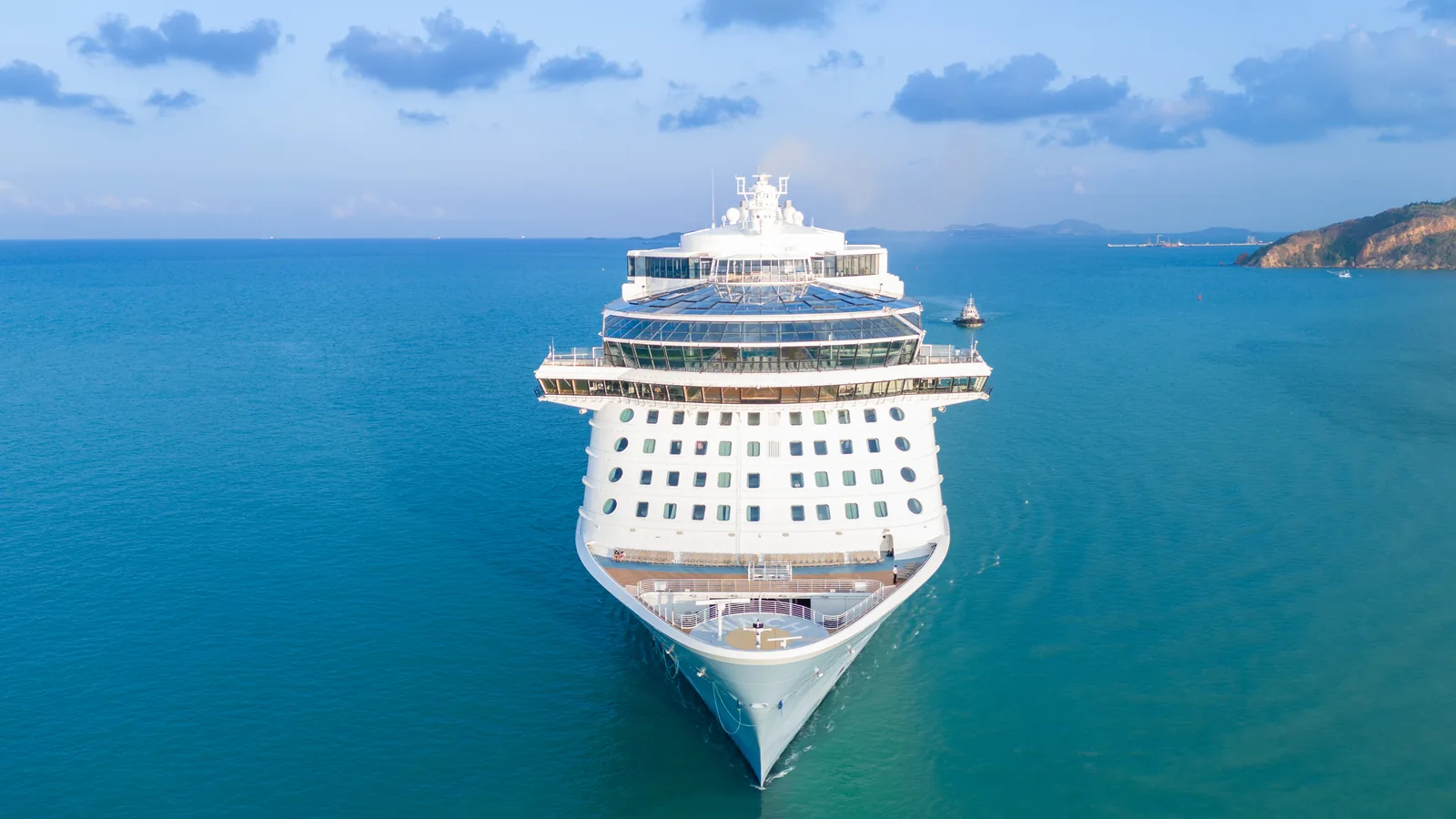
Check the current arrival and departure times, the all-aboard instructions, and how passengers get ashore. A tender port adds another step between the ship and a land-based meeting point. Do not build a tour around the assumption that you will be among the first passengers off.
An itinerary is a plan rather than a guarantee that every port will happen exactly as printed. Use the cruise line’s current itinerary and booking conditions and the instructions for your sailing. Confirm the time convention used by the ship and the tour operator before treating two displayed times as equivalent.
Compare the whole outing
Look at the activity, duration, physical requirements, transport, group size, equipment, food, and meeting place. Check how much of the advertised duration is travel and how much is the activity itself.
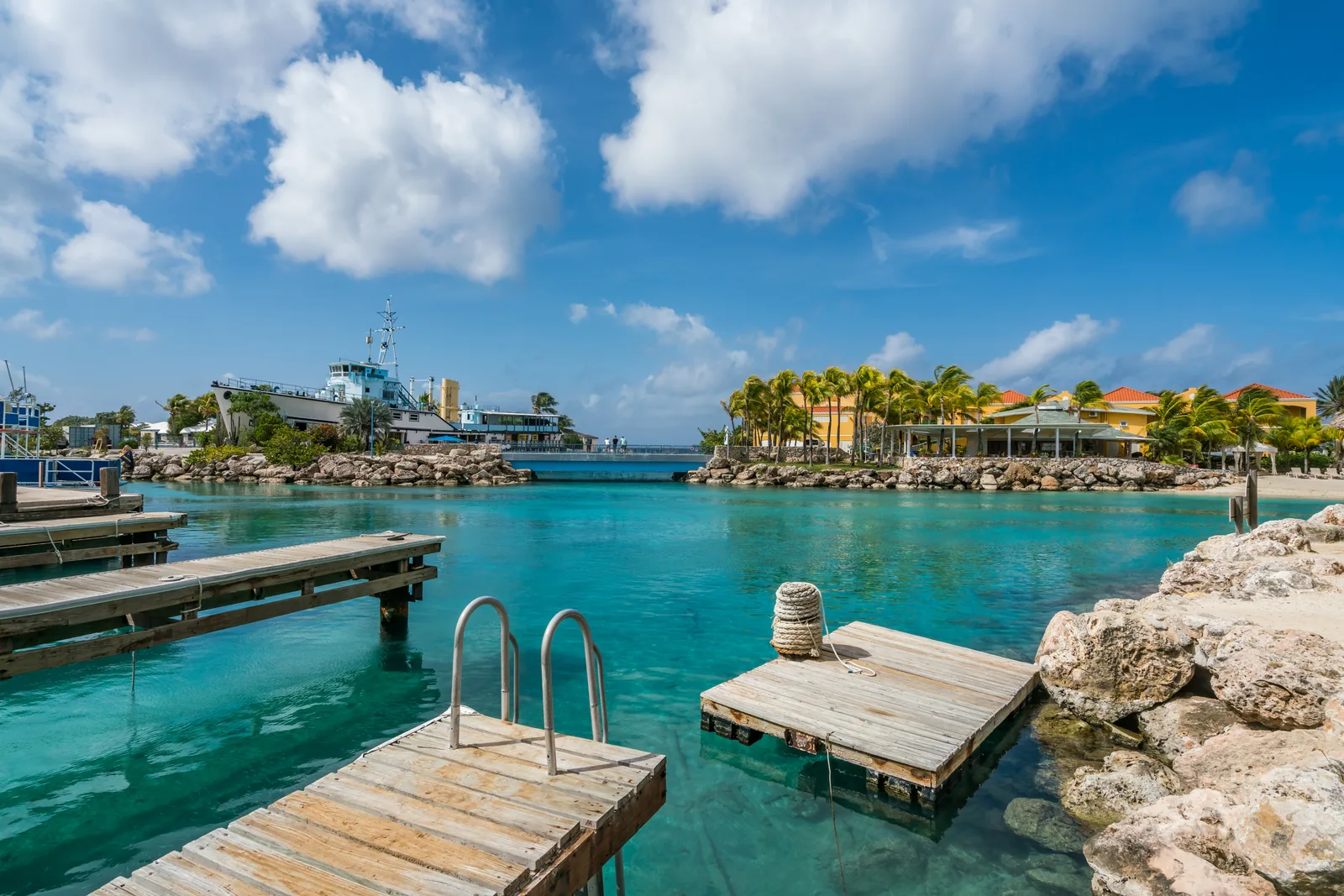
For a beach day, ask whether chairs, shade, towels, and return transport are included. For a boat or outdoor activity, read the footwear, mobility, and age requirements. A tour title and an attractive photograph do not establish that it fits everyone in the party.
If someone is unsure about a requirement, ask the operator a specific question. Do not use a generic “easy” rating as a substitute for the information that person needs.
Ship excursion or independent operator?
The ship’s offering may simplify meeting and coordination. An independent outing may offer a different group, schedule, or activity. Compare those benefits with the actual return arrangements and terms, rather than assuming one category is always better.
Ask who is responsible if the outing is delayed and what the seller promises in writing. Do not generalize from another line’s policy or a story about a ship waiting. Keep enough time to get back under the instructions for your sailing.
For a firsthand example of a port-specific decision, our Travel guides include Caribbean excursions and independent beach visits. Their details apply to those recorded trips, not automatically to a different docking place or schedule.
Read three cancellation answers
First: if you cancel, what is the deadline, in which time zone, and what amount is returned? Second: if the operator cancels, is the remedy a refund, another time, or a credit? Third: if the ship misses the port or arrives too late, what evidence and process does the operator require?
Save the terms when you book. If a reseller takes payment, establish whether the reseller or activity operator handles changes and refunds. A promise on a tour company’s site may not describe the terms of a different seller’s ticket.
Norwegian’s shore-excursion terms illustrate why the tour description and applicable policy matter. Virgin Voyages publishes separate Shore Things conditions. Read the policy for the line and seller you are actually using; neither example establishes the terms for another operator or market.
Weather is a reason to check, not assume
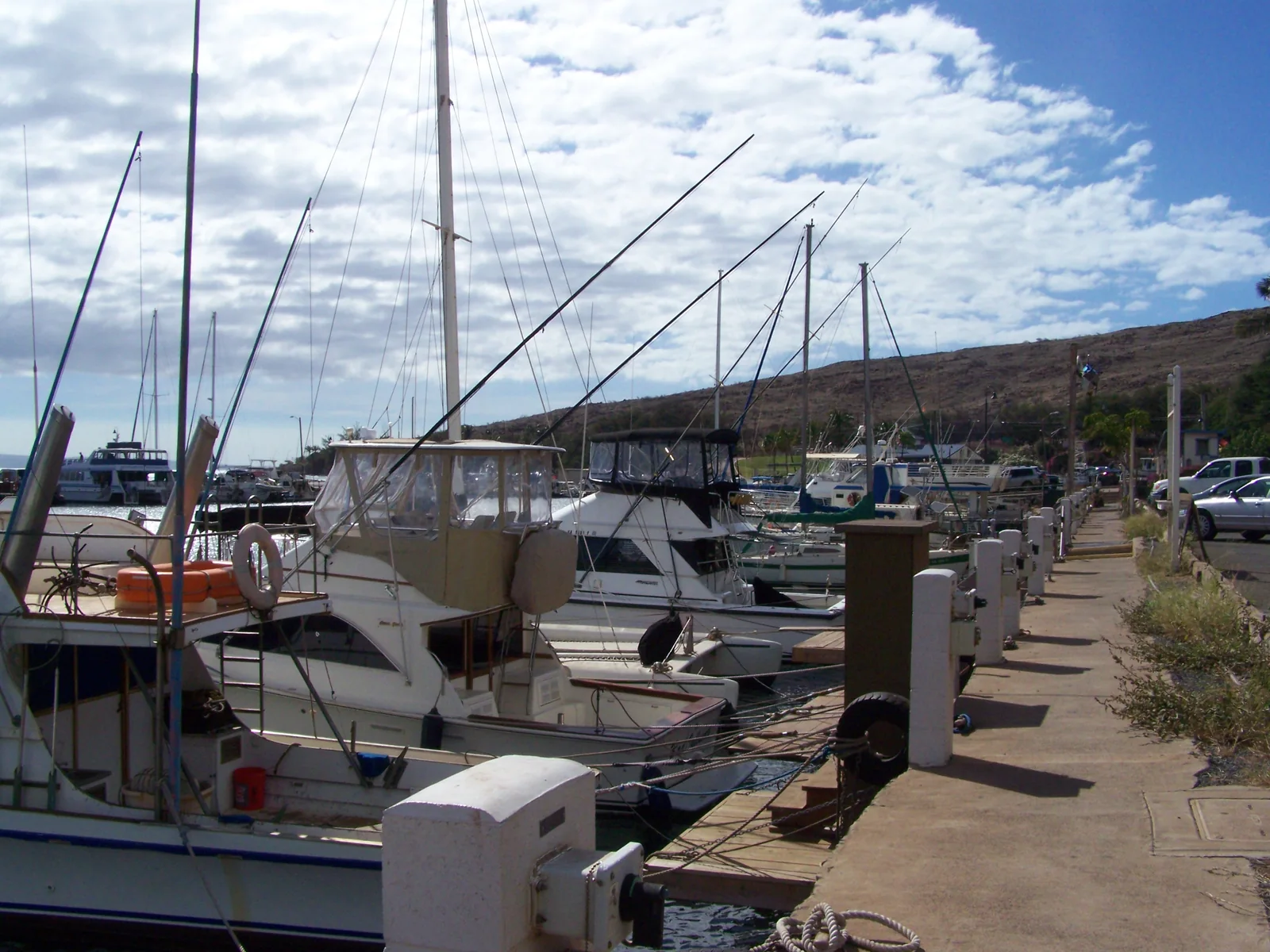
A trip may continue in conditions you would prefer to avoid. Ask how the operator decides whether to run and how it communicates changes. If you want the ability to cancel yourself, buy terms that provide it rather than assuming a forecast creates that right.
Winter weather also varies by destination. Do not treat every Caribbean stop as interchangeable or use the departure port’s forecast for the whole voyage. Check the location and activity close to the day.
Keep a smaller alternative that does not require another large commitment. A local meal, a short walk where suitable, or time aboard may be more useful than scrambling to book a replacement excursion the moment a plan changes.
Keep the evidence available offline

Save the booking, meeting instructions, operator contact, cancellation terms, and the ship’s return information. Know where to find them without internet access. A reservation email that only opens online is not the same as an offline record.
Confirm any change through the appropriate channel and keep the acknowledgment. If a refund is due, track it separately rather than assuming it has been completed when a tour disappears from the itinerary.
Prepay the priority, leave the rest deliberate
A popular or specialized outing can justify an early reservation under terms you accept. A port where your plan is simply to look around may not need one. Choose the amount of structure that fits the activity and your group.
For ship context before choosing the itinerary, see our Norwegian Aqua review and Brilliant Lady review.
Sources checked October 21, 2026. Verify the policy for your seller, market, tour, and sailing before paying.
Related planning
Read What a Cruise Really Costs: Build a Budget Beyond the Fare for the next planning decision.
Read A Winter Caribbean Cruise Packing List That Leaves Room in Your Bag for the next planning decision.
Found an error or an outdated detail? Send a correction for this article.