
Canada is where I start. Counterclockwise is my favorite direction to walk EPCOT’s World Showcase, and this pavilion makes a useful first lesson in how the whole place works: the building you recognize is an invitation to look closer, not a complete country squeezed behind a restaurant.
The familiar tower points toward Ottawa. The garden points toward Vancouver Island. The food introduces another set of regional connections. Those places are a long way apart in real life, which is part of the pleasure of following the clues. Before planning a Canadian vacation, it helps to take the pavilion apart and see where each piece belongs.
This is the first stop in our Canada-first, real-world World Showcase walk. It’s a researched guide to the pavilion and its inspirations, rather than a claim that I’ve personally visited every place below.
Start with the château, then take the garden path
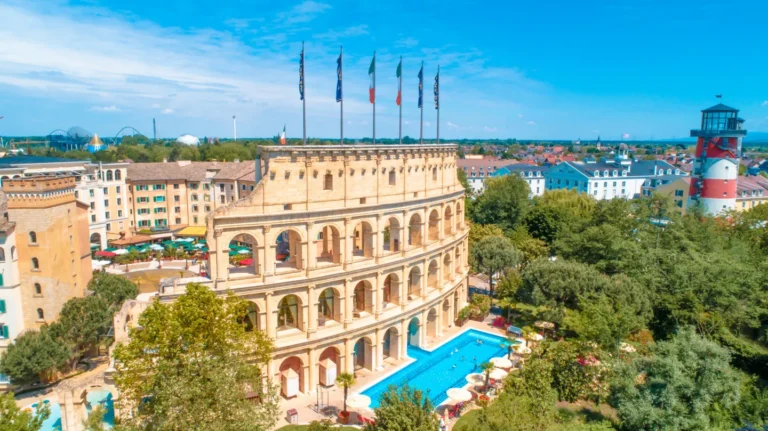
The Canada pavilion sits between the United Kingdom and the route back toward the front of EPCOT. Its most conspicuous building is Hotel du Canada, with steep roofs and a château silhouette. The name can suggest a bookable hotel. It’s scenery within the pavilion, not an EPCOT resort.
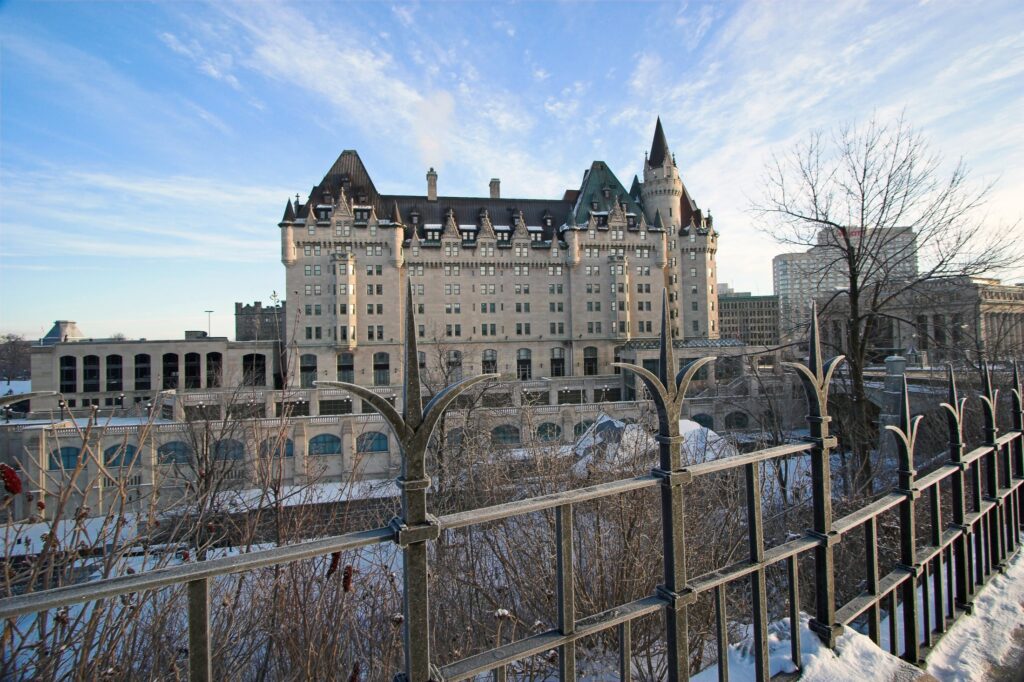
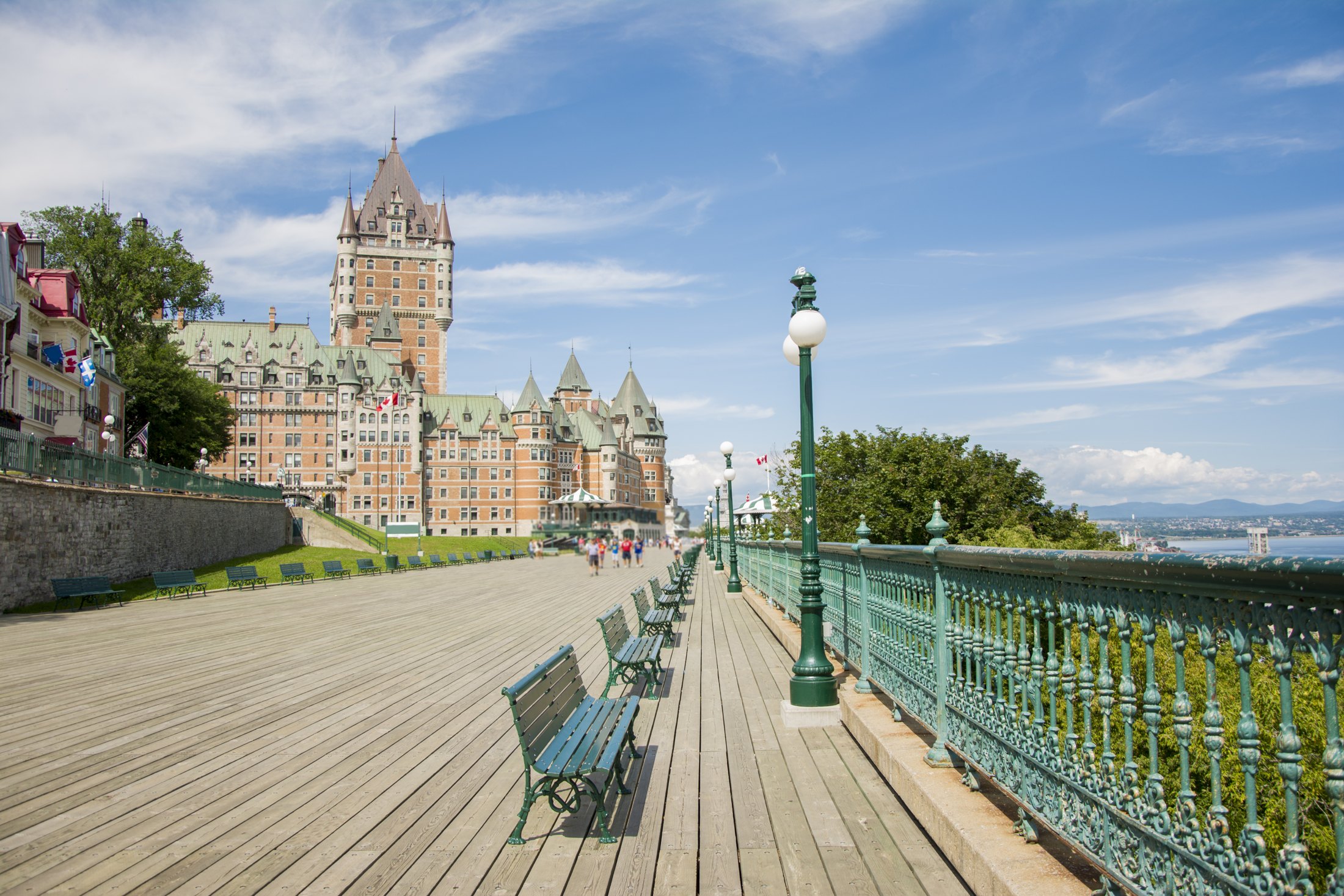
The important real-world connection is Château Laurier in Ottawa. It’s easy to confuse that with Québec City’s Château Frontenac, another grand Canadian railway-era hotel with a similarly memorable profile. Disney’s architectural guide to World Showcase identifies Château Laurier as the Hotel du Canada inspiration. They’re different buildings in different cities, not two names for the same castle.
Walk into the gardens instead of treating the pavilion as a facade to photograph from the promenade. The mix of formal planting, rocky scenery, and paths encourages a slower look. It also compresses several kinds of Canadian landscape into one small area. The garden’s connection to The Butchart Gardens near Victoria is a useful clue for a separate trip, but the EPCOT planting is its own designed space.
What to see and do at EPCOT
Canada Far and Wide in Circle-Vision 360 is the pavilion’s main attraction. Rather than a ride vehicle, the presentation surrounds you with images on a circular screen. It’s a helpful way to notice just how much the country contains beyond the château and gardens outside.
That format is worth understanding before joining the queue. A Circle-Vision film is a different experience from a seated theater or a ride, and the attraction’s official page has accessibility and guest information. If your group wants an attraction without planning the whole afternoon around a major ride, this is the pavilion’s obvious starting point.
For younger travelers, Kidcot Fun Stops gives all 11 countries a common thread through activity cards. It can turn the walk into a collection with a point, rather than 11 requests to stand still while adults take pictures. Look for Canada’s listed station in the current location information.
I’d give the architecture its own few minutes, too. Look at the roofs, the building materials, and the change from planted garden to rocky setting. Those are the pavilion’s main storytelling tools, even when nothing is moving or performing.
What to eat, and how to choose
Le Cellier Steakhouse is the substantial sit-down option. Its cellar setting takes cues from grand Canadian hotels, including Château Frontenac and Château Laurier. Disney describes steaks and seafood alongside Canadian associations such as cheddar cheese soup, poutine, and maple flavors. Use the restaurant’s menu to see the actual choices for your visit.
The practical question is whether you want a restaurant meal to anchor this part of your day. If the answer is yes, make that choice deliberately and use Disney’s reservation information. If the answer is no, you don’t need to book a steakhouse just to experience Canada. The gardens, architecture, and film still make a complete stop.
For something smaller, the Canada popcorn cart is the straightforward snack option, with maple popcorn as its signature Canadian connection. It makes a different kind of stop from a full restaurant meal: something to share while continuing the walk rather than a second lunch.
Canada’s food story is much wider than steak, cheese curds, and maple syrup. Poutine points toward Québec; seafood traditions vary between Atlantic and Pacific coasts; Indigenous food cultures belong to particular peoples and places. The useful lesson is to ask where a dish comes from instead of treating “Canadian” as one uniform menu.
What to shop for
The Trading Post is the pavilion’s named shopping stop to look up before visiting. Stock changes, so treat the store as somewhere to browse rather than a guarantee that one particular souvenir will be waiting.
For anything presented as Canadian-made or Indigenous-made, read the maker and origin information. A maple leaf on packaging identifies a theme, not necessarily where an object was produced. That’s a useful habit in EPCOT and an even more useful one in the real country, where buying directly from an identified artist can connect the object to an actual person and community.
The real landmark: Château Laurier in Ottawa
Château Laurier opened in 1912. The hotel’s own history connects it to the railway era and to Ottawa’s development as a destination. Its limestone walls and steep roofs explain why this building is so effective as the visual shorthand for EPCOT’s Canada pavilion.
In Ottawa, the hotel belongs to a larger urban setting around the Rideau Canal and Parliament Hill. That context changes the experience. You aren’t simply looking at a castle-shaped building; you’re seeing how a grand hotel sits within a capital city. Start with the exterior and surrounding public spaces, and use the hotel’s information if you want to arrange a meal or stay.
Don’t build an Ottawa day around entering every room of a working hotel. The exterior connection is already rewarding, and guest areas and dining spaces have their own access arrangements. The silhouette is the EPCOT link; the city around it is the reason to keep exploring.
Three directions the pavilion can send you
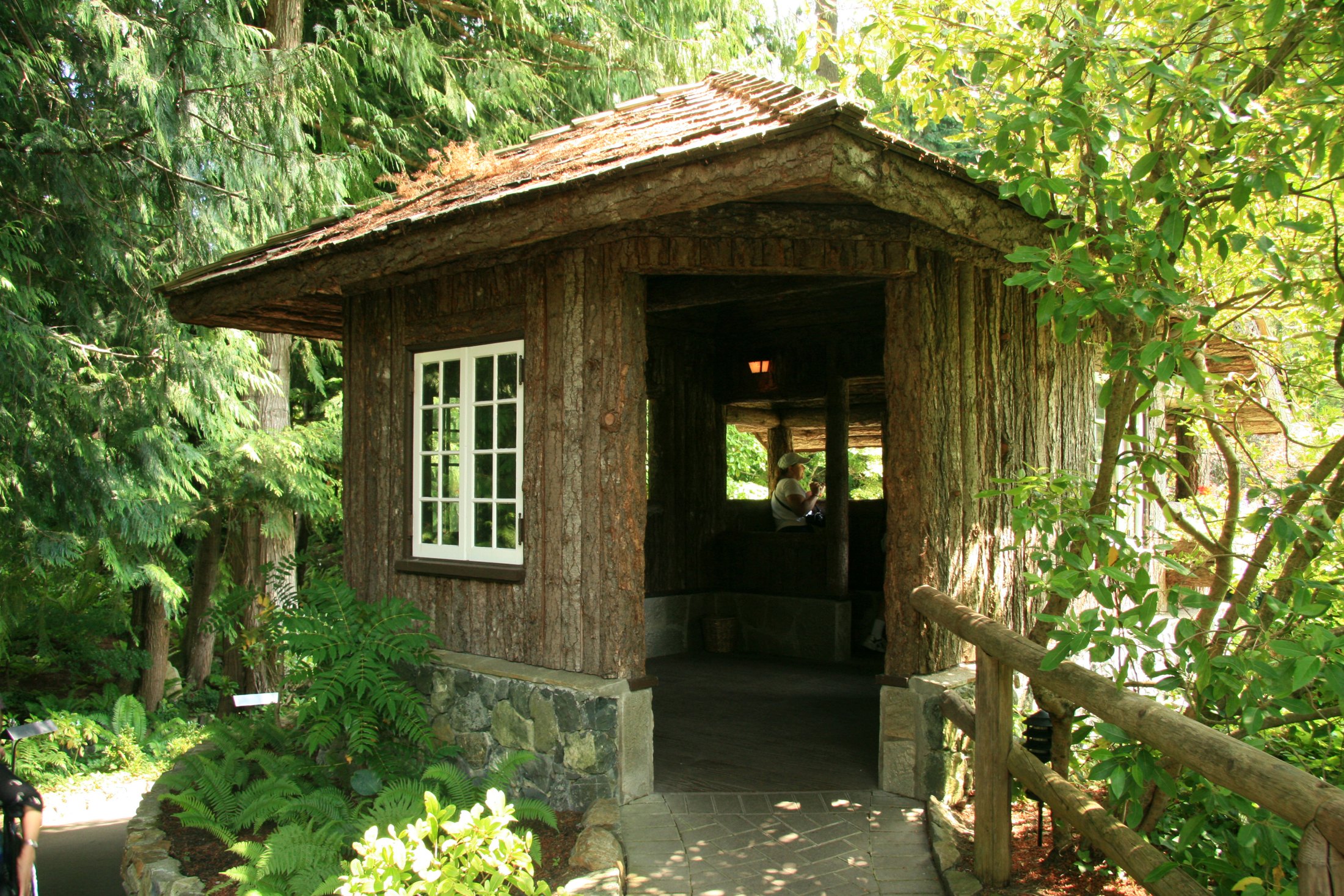
Victoria and The Butchart Gardens: If the planted paths are what keep you in the Canada pavilion, follow that interest to The Butchart Gardens near Victoria on Vancouver Island. This is a real garden visit with distinct designed areas, not an extension of the Ottawa hotel story. Let the garden be the main activity rather than one hurried photo stop between distant cities.
Québec City: If it’s the château silhouette and old-city atmosphere, look at Old Québec. Its fortifications and historic urban fabric are part of its UNESCO significance. Château Frontenac rises above Dufferin Terrace, but the streets and lower town deserve attention beyond the hotel photograph. This is also the natural place to explore French Canadian food and language in their own setting.
Banff and the mountain parks: If the film leaves you thinking about huge landscapes, Banff National Park is a different kind of Canadian trip again. Choose walks that fit your group, use Parks Canada’s visitor guidance, and resist combining a mountain itinerary with Ottawa or Québec City as if they were neighboring pavilion doors.

Those are three strong possibilities, not a single convenient circuit. Canada’s scale changes the planning. Choosing one region and giving it time will usually produce a more coherent trip than trying to collect every image that appeared in a short film.
What EPCOT changes
The biggest adaptation is geography. Ottawa’s hotel architecture, a Victoria garden reference, mountain scenery, and foods associated with different regions share a compact footprint. The pavilion lets those ideas sit together so they can be understood quickly from a walking path.
The second is function. Hotel du Canada communicates “grand Canadian hotel,” but it isn’t offering you a room. The cellar restaurant is an interpretation of an atmosphere, not a transported historic dining room. Those distinctions don’t make the setting less interesting. They give you better questions to take to the real places.
For a first pavilion visit, I’d use this order: garden and architecture, Circle-Vision, then either a planned restaurant meal or a small maple snack. For the real country, choose the part that caught your attention and build around that. Canada works well as the first stop precisely because the map gets bigger as soon as you start looking.
Stop 1 of 11: Return to the real-world World Showcase walk or explore our Theme parks hub.
This is a researched guide to EPCOT and the real places behind its design. It does not represent a personal visit to every destination or a tasting of every dish. Photographs show real-world locations and food illustrations, not the EPCOT versions. Follow the official links above for current visitor information, menus, and reservations.
Found an error or an outdated detail? Send a correction for this article.