
If a seasoning tastes sour but doesn’t have the lemon character you want, adding more acid may miss the point. Dried lemon peel and citric acid contribute different things. Choose according to what the recipe needs, rather than treating both jars as powdered lemon juice.
Peel brings citrus character. Citric acid supplies concentrated acidity. The ingredient’s form and the method still matter, so keep the exact product name with the amount you use.
Separate aroma from sourness
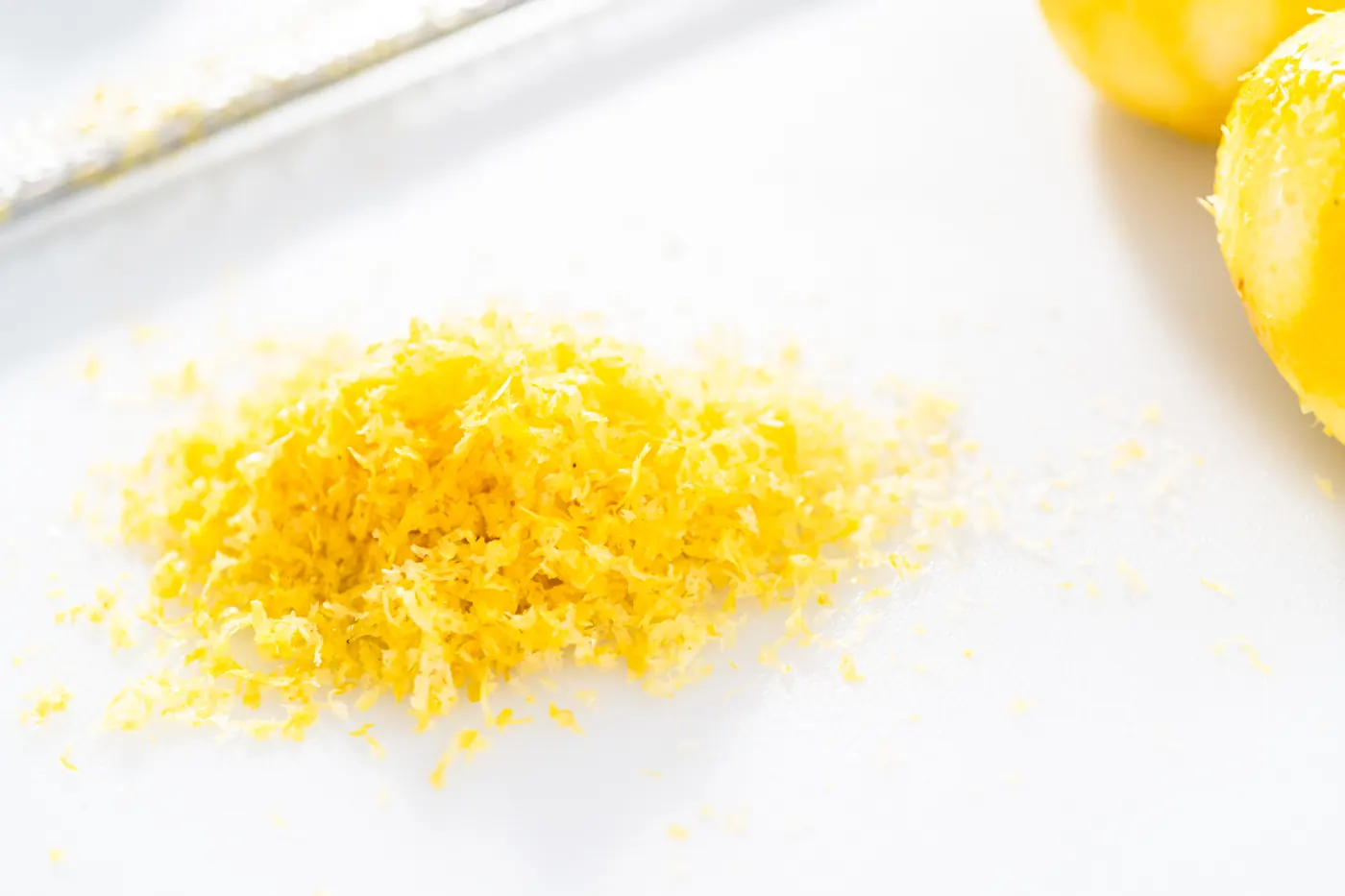
King Arthur Baking’s guide to baking with lemon draws a useful distinction: zest provides aromatic lemon flavor, while juice provides tart, acidic citrus flavor. It explains that the flavorful oils are in the exterior rind.
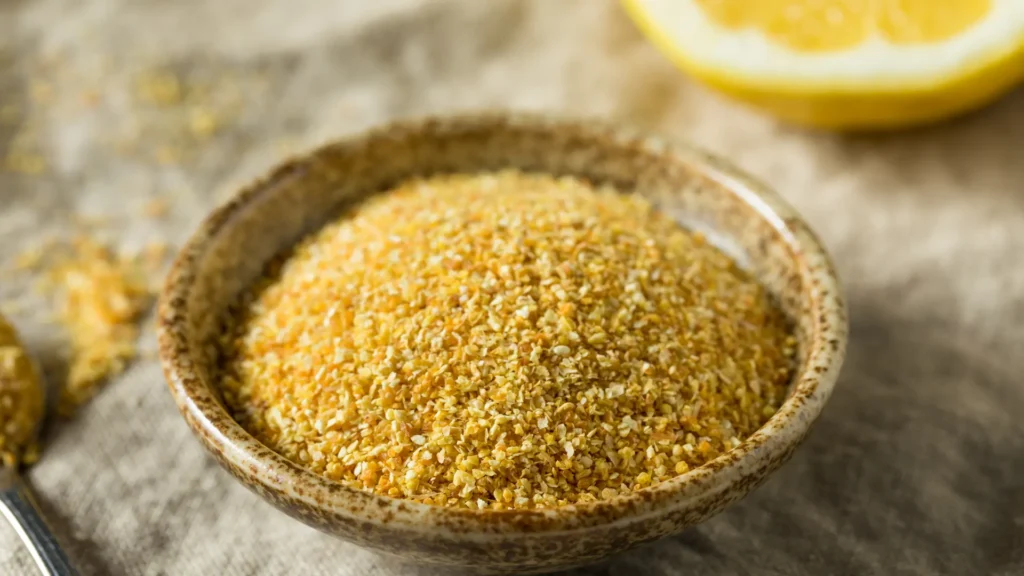
For a dried product, read the producer’s description and instructions. McCormick’s California Lemon Peel, for example, is dried and finely grated peel intended to add lemon flavor to sweet and savory foods. Its substitution claim concerns fresh peel. That doesn’t make it a replacement instruction for lemon juice or citric acid.
Ask what you want to change in the finished food. A missing lemon aroma and a lack of tartness are different observations, even though both might be described casually as “not lemony enough.”
Read what is actually in the jar
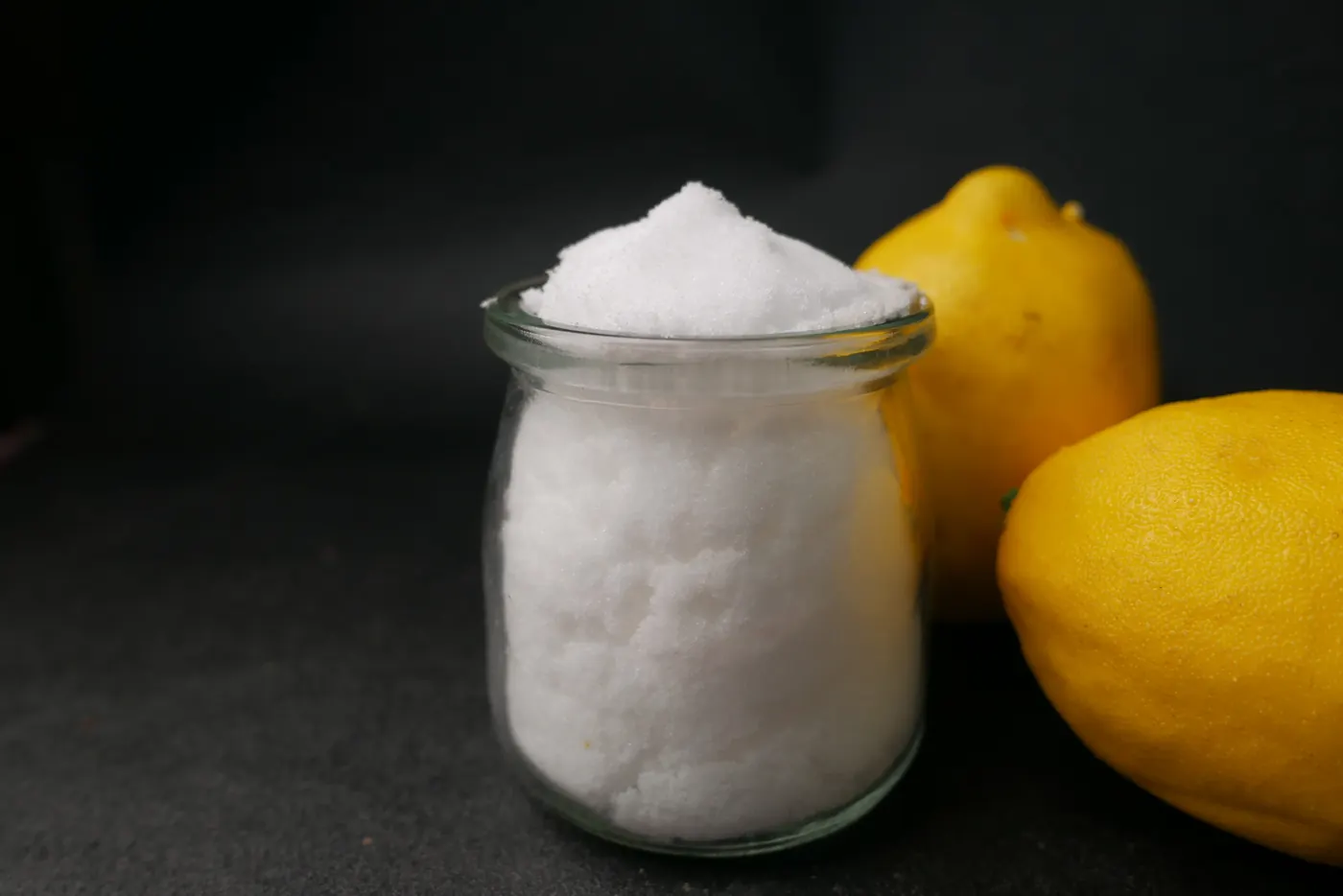
Modernist Pantry’s citric acid product information identifies citric acid as the ingredient and describes its use for adding an acidic or sour taste. Pure citric acid doesn’t supply the same mixture of aromatic components as lemon peel.
The words on a product’s front label don’t always tell the full ingredient story. McCormick’s peel product lists lemon peel and sodium sulfite as a preservative. Other products may have different ingredient lists or textures. Check the actual package you’re using, particularly when trying to repeat a result from a previous jar.
Use a product intended for food and follow the recipe’s measured instructions. Don’t borrow an amount from a different ingredient simply because both are dry powders.
Keep juice powder separate, too
Lemon juice powder is another product category. King Arthur’s lemon guide describes its juice powder as a mixture of lemon-derived ingredients that brings tartness without adding liquid. That is different from a jar containing only citric acid, and different again from dried peel.
Fresh juice also contributes liquid to a recipe. Replacing it with a dry ingredient changes more than the flavor unless the method accounts for that change. Look for an instruction written for the exact product and recipe instead of improvising a universal spoon-for-spoon conversion.
Name the change you want to make
Before changing the recipe, write a precise question:
- Does it need more recognizable lemon aroma?
- Does it need more tartness?
- Is the recipe relying on juice as part of its liquid?
- Am I changing the ingredient’s form, the product, or both?
Keep the original recipe and record one deliberate change at a time when developing your own version. Note the product, amount, and when it was added, then describe the food you actually made. That gives you a useful basis for the next adjustment instead of a note that only says “add more lemon.”
References
McCormick, Modernist Pantry, and King Arthur Baking pages checked October 21, 2026. This is an ingredient guide, not a tested substitution formula. Stock photographs illustrate lemon zest, peel, and citric acid.