
Light and dark brown sugar can generally replace each other in baking. The main difference is the amount of molasses, which affects color and flavor. If a recipe specifies one, use it when practical; if the other is already in the cupboard, that usually isn’t a reason to abandon the bake.
That advice applies to light and dark brown sugar. Replacing brown sugar with plain white sugar is a different question.
What’s different about dark brown sugar?
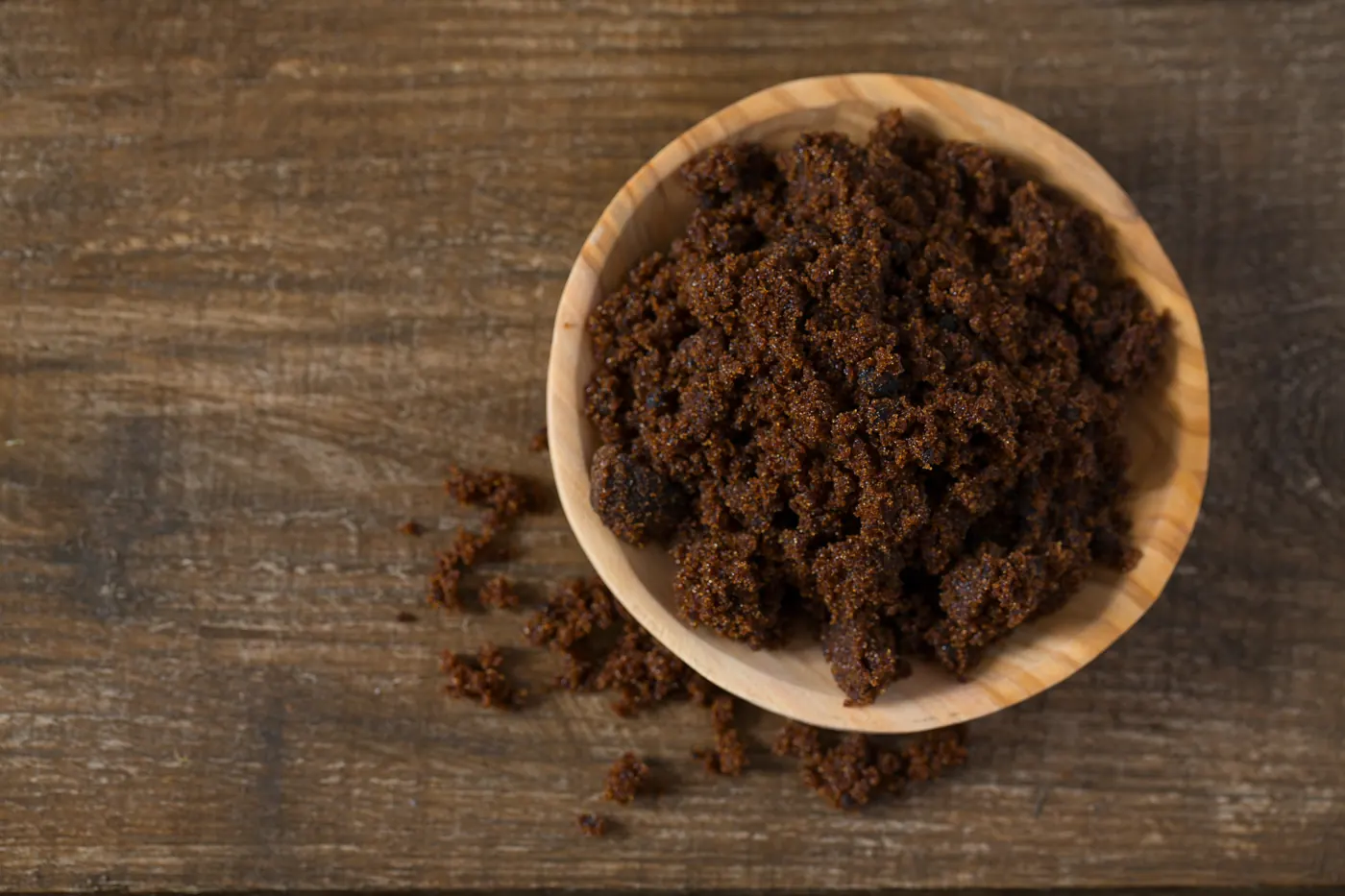
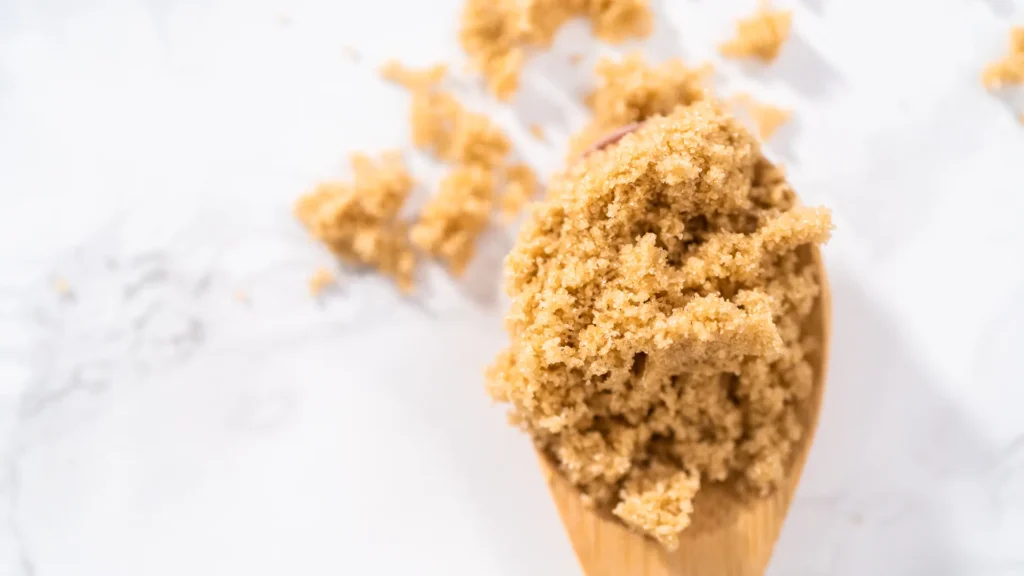
King Arthur Baking’s comparison describes dark brown sugar as containing more molasses than light brown sugar, with a darker appearance and a more assertive flavor. Light brown sugar is milder. The brown sugar commonly sold for baking is granulated white sugar with molasses added back in.
The useful distinction is the ingredient named in the recipe, not which bag looks more appealing. When shopping for a particular bake, copy “light” or “dark” onto the list along with the quantity. That keeps a deliberate ingredient choice from becoming an accidental one.
Can one replace the other?
King Arthur says yes, including when measuring by weight or volume. It also recommends following a recipe’s specified type when possible. If the ingredient list simply says brown sugar, its guidance allows either.
Keep the recipe’s amount and measuring instructions rather than changing several things to account for the color difference. For a repeat bake, note which type you used so the next batch doesn’t depend on remembering which bag was open.
What if there’s no brown sugar at all?
In its separate brown sugar substitution guide, King Arthur gives the following replacements for each cup of brown sugar called for:
| Intended substitute | Granulated white sugar | Molasses |
|---|---|---|
| Light brown sugar | 1 cup (198 g) | 2 teaspoons (14 g) |
| Dark brown sugar | 1 cup (198 g) | 1 tablespoon (21 g) |
These are King Arthur’s published proportions, not a Replicate-tested formula. Its instructions allow the sugar and molasses to be added to the recipe together without blending them into brown sugar first.
Plain white sugar alone is a less predictable swap. The same guide explains that results can vary with the recipe, including its leavening and mixing method. Don’t treat replacing light with dark brown sugar as evidence that every other sugar substitution will behave the same way.
For a first attempt at a recipe, keeping the specified ingredients is the clearest starting point. When a substitution is necessary, record it beside the recipe and evaluate the actual bake before deciding to repeat it.
References
King Arthur Baking’s January 22, 2025 comparison and March 4, 2020 substitution guide checked October 21, 2026. This is researched ingredient guidance, not a Replicate baking trial. Stock photographs illustrate sugar and recipe preparation; they don’t document the two sugars in a controlled comparison.
Found an error or an outdated detail? Send a correction for this article.