
Passata and concentrated tomato paste can both belong in a sauce, but they aren’t the same starting ingredient. Before swapping them, check the full product name and the amount the recipe expects.
One complication is the word “purée.” It can appear on a smooth passata and on a concentrated paste, depending on the market. The rest of the label matters more than that word alone.
What is passata?
Mutti’s U.S. passata guide describes its Tomato Puree, or Passata, as tomatoes with skin and seeds removed, processed into a smooth texture with sea salt. The company suggests uses including marinara and tomato soup.
That makes passata a useful product to recognize when a recipe wants a smooth tomato ingredient. Check whether the particular product is plain or includes additional flavorings, rather than treating every red bottle as the same thing.
What is concentrated tomato paste?
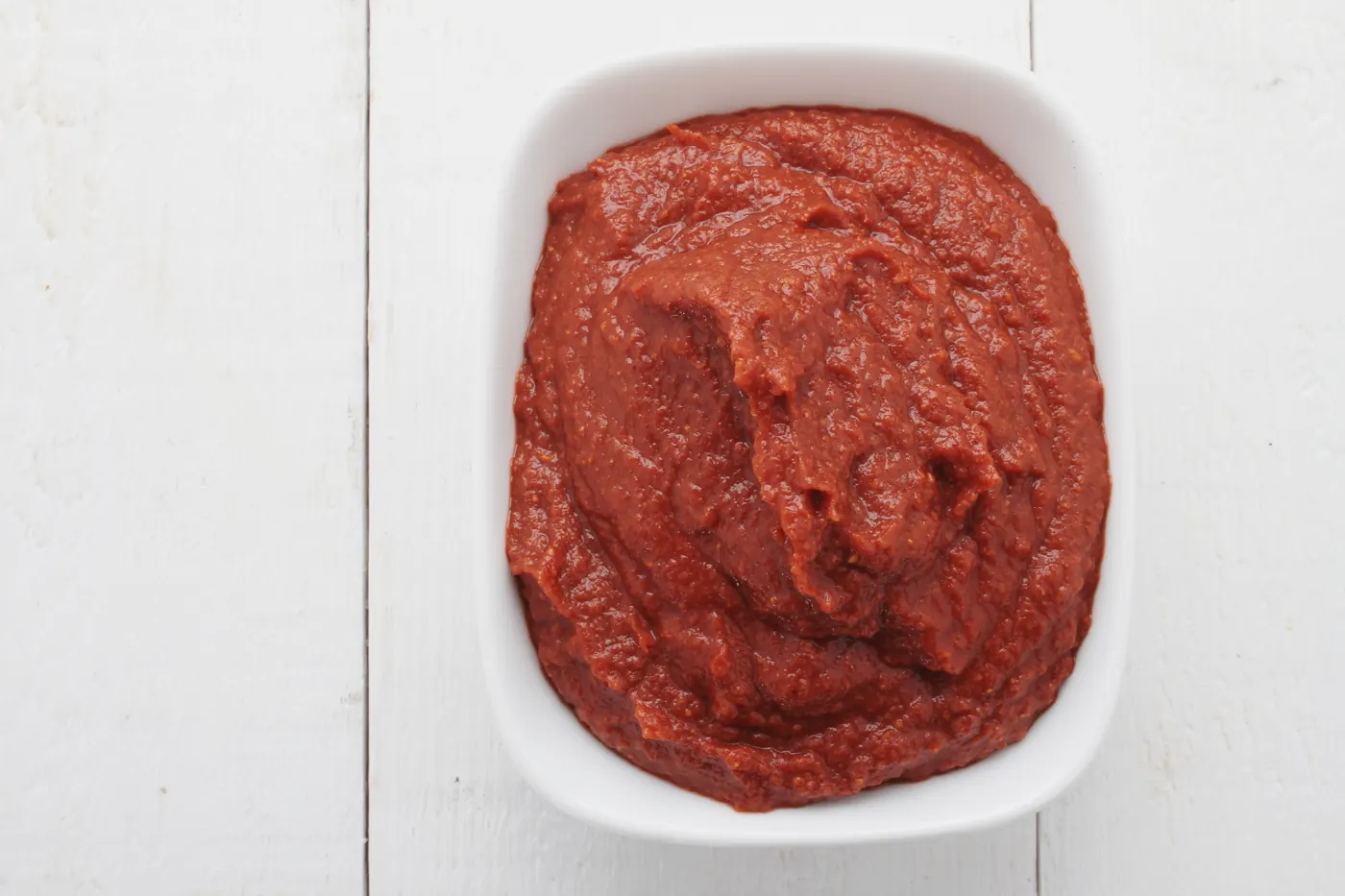
Mutti describes its Double Concentrated Tomato Paste as a dense ingredient used to deepen tomato flavor and thicken dishes such as Bolognese, casseroles, and stews. It can be used alongside other tomato products, rather than supplying all the tomato in a dish by itself.
The recipe’s amount and method are part of that choice. A spoonful of concentrate added at one stage isn’t the same instruction as a larger quantity of passata used as the sauce base. Don’t replace one with an equal amount of the other simply because both are smooth and red.
Use the recipe developer’s substitution if one is provided. If it isn’t, choose a recipe written for the product you have or buy the specified ingredient.
Why does “tomato purée” cause confusion?
The same manufacturer provides a useful example. Mutti’s U.S. site calls its smooth passata Tomato Puree, while its English-language concentrated product page uses Double Concentrated Tomato Puree for the dense product called paste on its U.S. site.
Those names are enough to show why a recipe copied across markets needs a closer read. Look for “passata,” “sieved,” “paste,” or “concentrated,” then check the named product or the developer’s notes. Packaging shape can help you find a product on the shelf, but it doesn’t settle what an unfamiliar recipe means.
Check three details before cooking
- Form: Does the recipe want passata, concentrate, chopped tomatoes, or a prepared sauce?
- Amount: Is it asking for a weight, a volume, or a package whose size is specified?
- Method: When is that ingredient added, and what other tomato or liquid ingredients accompany it?
If the wording still leaves two plausible products, resolve it before opening one. Keep the product name with your cooking notes when you make a change. That is more useful for repeating the dish than a note that only says “used tomato purée.”
Sources and photographs
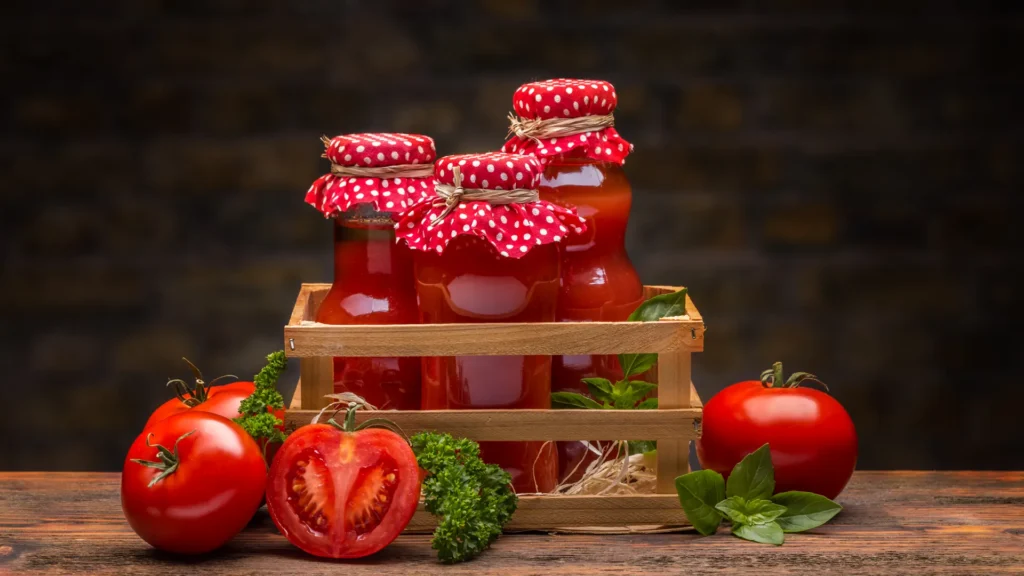
Mutti product descriptions checked October 22, 2026. These examples explain the manufacturer’s terminology, not a Replicate substitution test. Licensed stock photographs illustrate tomato sauce jars and tomato paste in a bowl; they don’t show the named Mutti products or establish a storage method.
Found an error or an outdated detail? Send a correction for this article.