
Choose vanilla paste when visible bean specks are part of the result you want. Choose extract when the recipe calls for it and those specks aren’t a reason to change. Neither format earns a place in the bowl simply because it sounds more elaborate.
The useful comparison is the exact product, its ingredients, and the amount your recipe needs.
Paste is a prepared ingredient
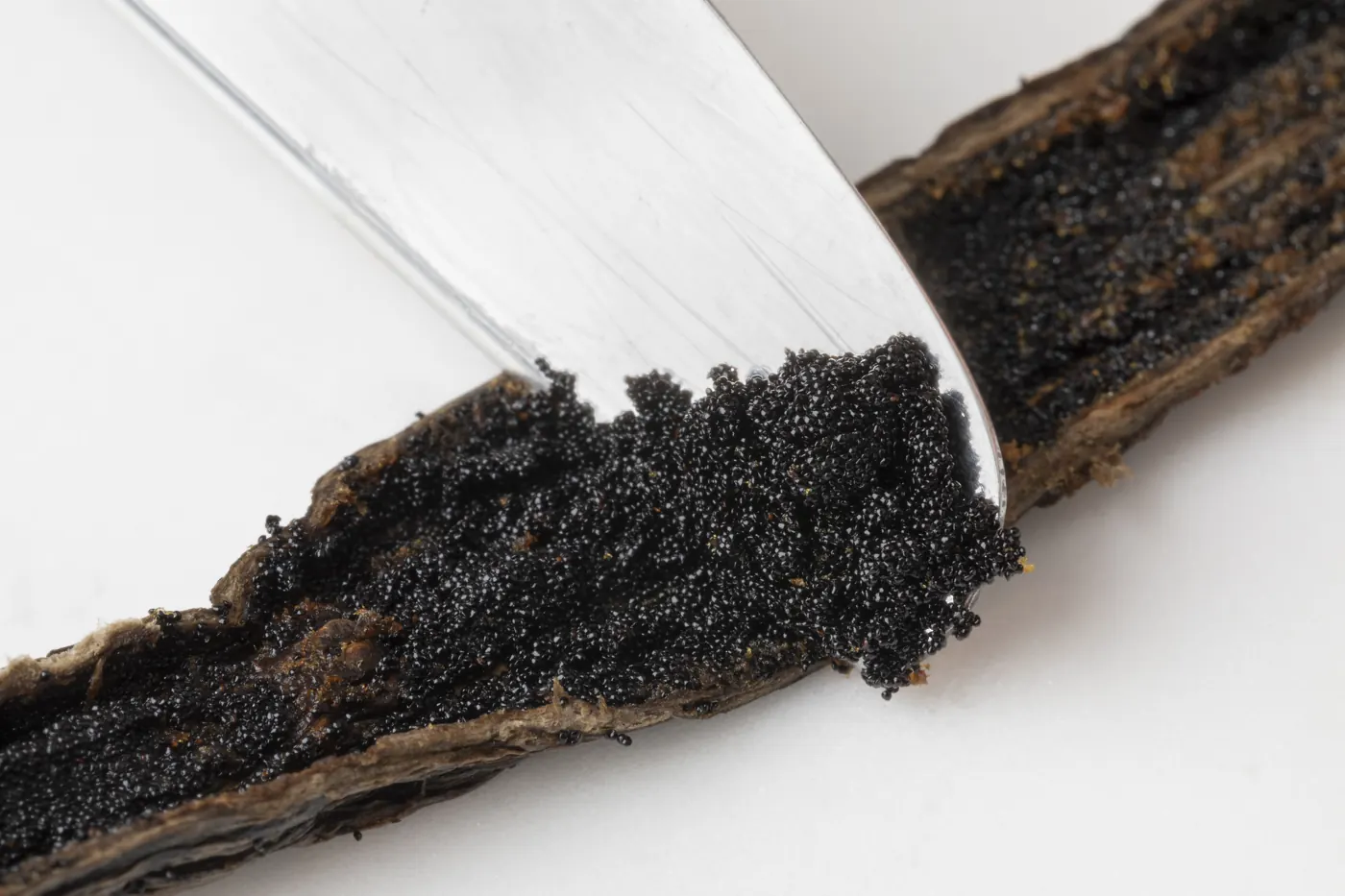
Vanilla bean paste isn’t just the scraped contents of a bean in a jar. Nielsen-Massey’s Pure Vanilla Bean Paste, for example, lists cane sugar, water, vanilla extract, vanilla bean seeds, and gum tragacanth. The manufacturer describes its consistency as similar to honey.
That ingredient list explains why the word paste needs a closer look. You are choosing a formulated flavoring, not automatically replacing one whole ingredient with a concentrated version of itself. Read the label on the product in your hand, especially when comparing different brands or varieties.
Specks are a visual choice
Nielsen-Massey recommends its paste when the distinctive look of vanilla bean specks is wanted. That can be a reason to select it for a pale dessert or sauce where the appearance matters to you.
It isn’t evidence that a finished dessert tastes better. Appearance and flavor are separate observations. If you’re comparing versions, record whether the specks were visible as well as which flavor you preferred. Don’t let a photograph answer the tasting question.
For a recipe that already works with extract, decide whether visible seeds would add something you want before buying another jar. A darker mixture may not give you the visual result you had in mind.
Keep the substitution with its product
The same Nielsen-Massey product page gives a direct volume substitution: one tablespoon of its paste for one tablespoon of extract. Treat that as the manufacturer’s guidance for that product. Check another paste’s instructions rather than assuming the same concentration or formula.
Don’t automatically use that comparison for vanilla powder, a concentrated flavoring, or a different-strength extract. Similar names on the shelf don’t establish equivalent amounts.
Nielsen-Massey’s FAQ also distinguishes its powder, which uses a maltodextrin carrier, from its paste. It notes that some of its extracts contain sugar while specific no-sugar-added products do not. Format names alone aren’t a complete ingredient list.
Make the next batch easy to repeat

Keep the brand, full product name, amount, and addition step with the recipe. If you substitute paste for extract, record that change alongside the original quantity.
For a fair comparison, use the same base recipe and change the vanilla choice by itself. Note the finished appearance and your own preference after making it. Until then, keep a planned substitution separate from a tested result.
The best jar for the job is the one that supplies the flavoring and appearance you want, in an amount you can reproduce. The label gives you a better starting point than the word premium.
References
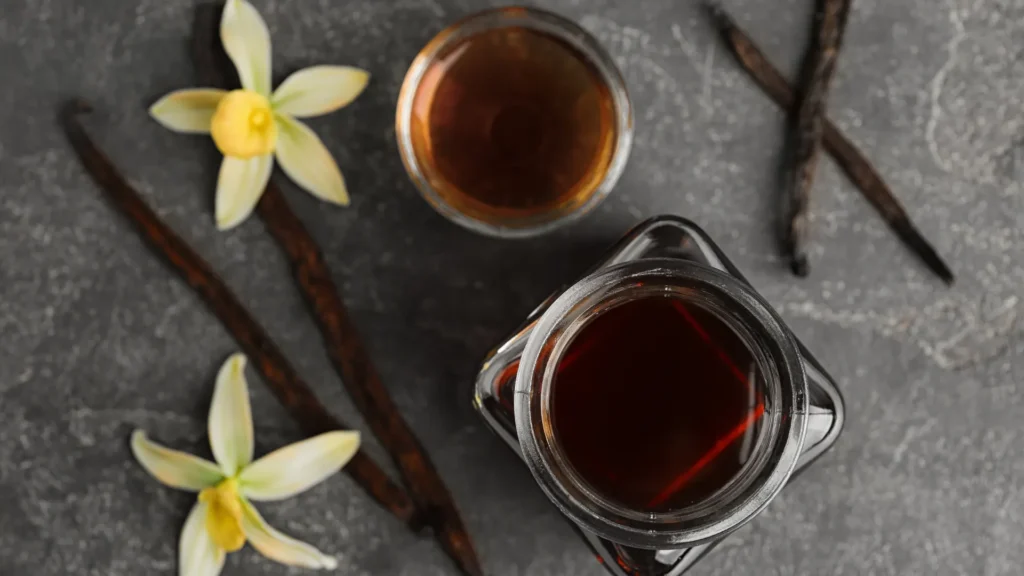
Nielsen-Massey’s Pure Vanilla Bean Paste page and FAQ checked October 21, 2026. Product descriptions and substitution guidance apply to the named product. This researched guide does not report a Replicate Kitchen tasting comparison. Stock photographs illustrate vanilla extract, whole beans, scraped seeds, and recipe notes.