
Amtrak’s baggage allowance can look generous on paper. The practical question is how you’ll move those bags through the station, onto the train, and into the permitted storage space. Start with the published limits, then pack for the whole journey to your destination.
Policy checked October 21, 2026. Check Amtrak’s current guidance for your train and any connecting service before departure.
The published carry-on allowance
Amtrak’s carry-on baggage page lists the following per passenger:
| Item | Quantity | Maximum weight per item | Maximum dimensions per item |
|---|---|---|---|
| Personal item | One | 25 pounds | 14 × 11 × 7 inches |
| Carry-on bag | Two | 50 pounds | 28 × 22 × 14 inches |
The same page lists a 28 × 22 × 11-inch carry-on limit for Pacific Surfliner. Measure your actual packed bags and review the rules for the services in your itinerary. Use the operator’s measurements rather than a retailer’s carry-on name.
Keep the weight question separate from the handling question. A bag within a published allowance can still be more than you can manage comfortably. Decide what to leave behind or rearrange before arriving at the station.
Plan where each item will go
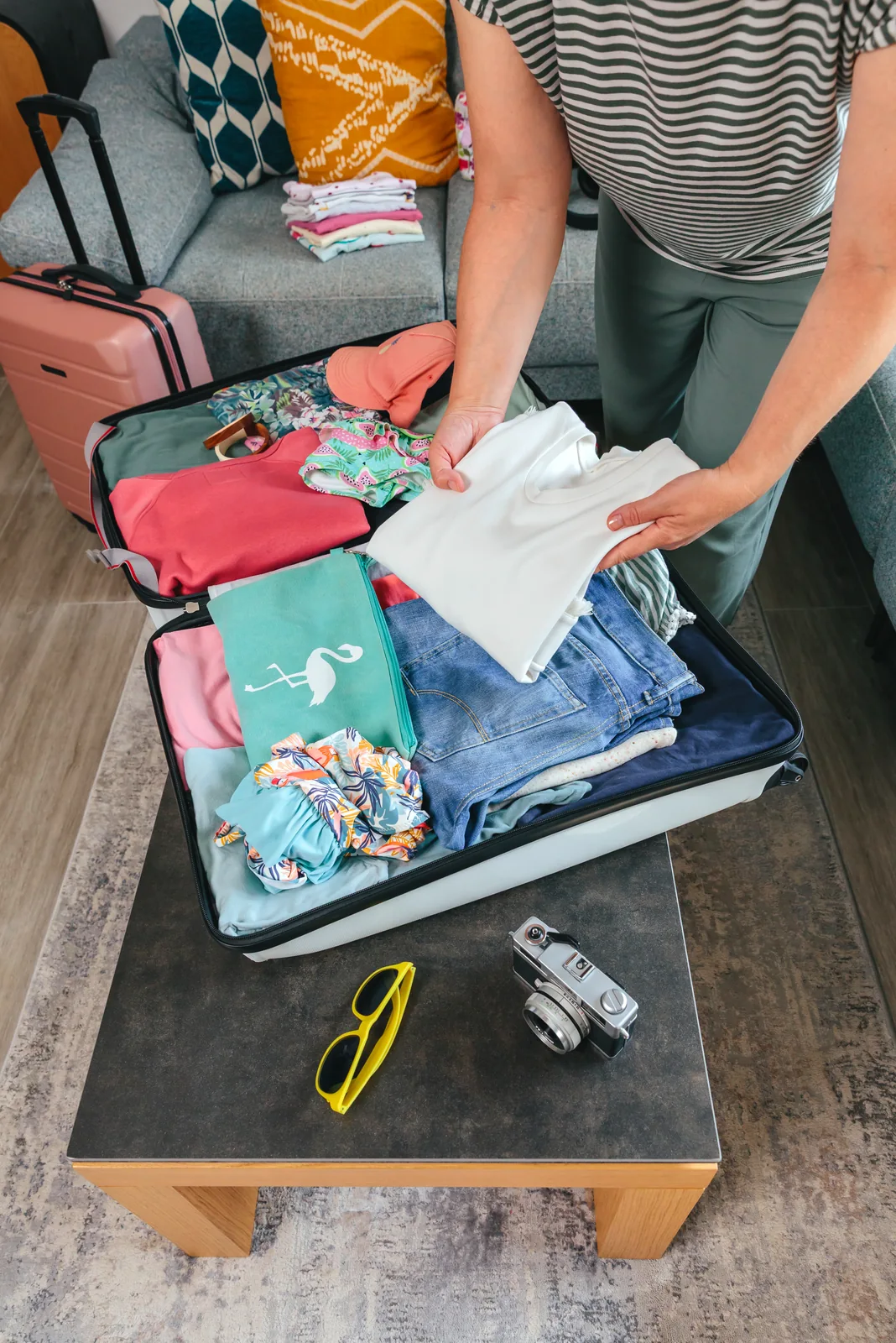
Amtrak requires personal items under the seat and carry-ons in the overhead racks or luggage tower, with no bags in empty seats or obstructive spaces. Its guidance requires passengers to lift carry-ons safely onto the luggage shelf.
Pack the items you expect to use during the ride together so you aren’t repeatedly reorganizing a large case. Keep important documents and other items you need with you in an accessible place that still follows the storage rules.
If you need assistance, discuss the actual journey with Amtrak in advance. Its accessible-travel services include information about station accessibility, assistance, and reservations. Don’t assume the help or equipment at one station will answer every part of a different itinerary.
Checked baggage is a separate service
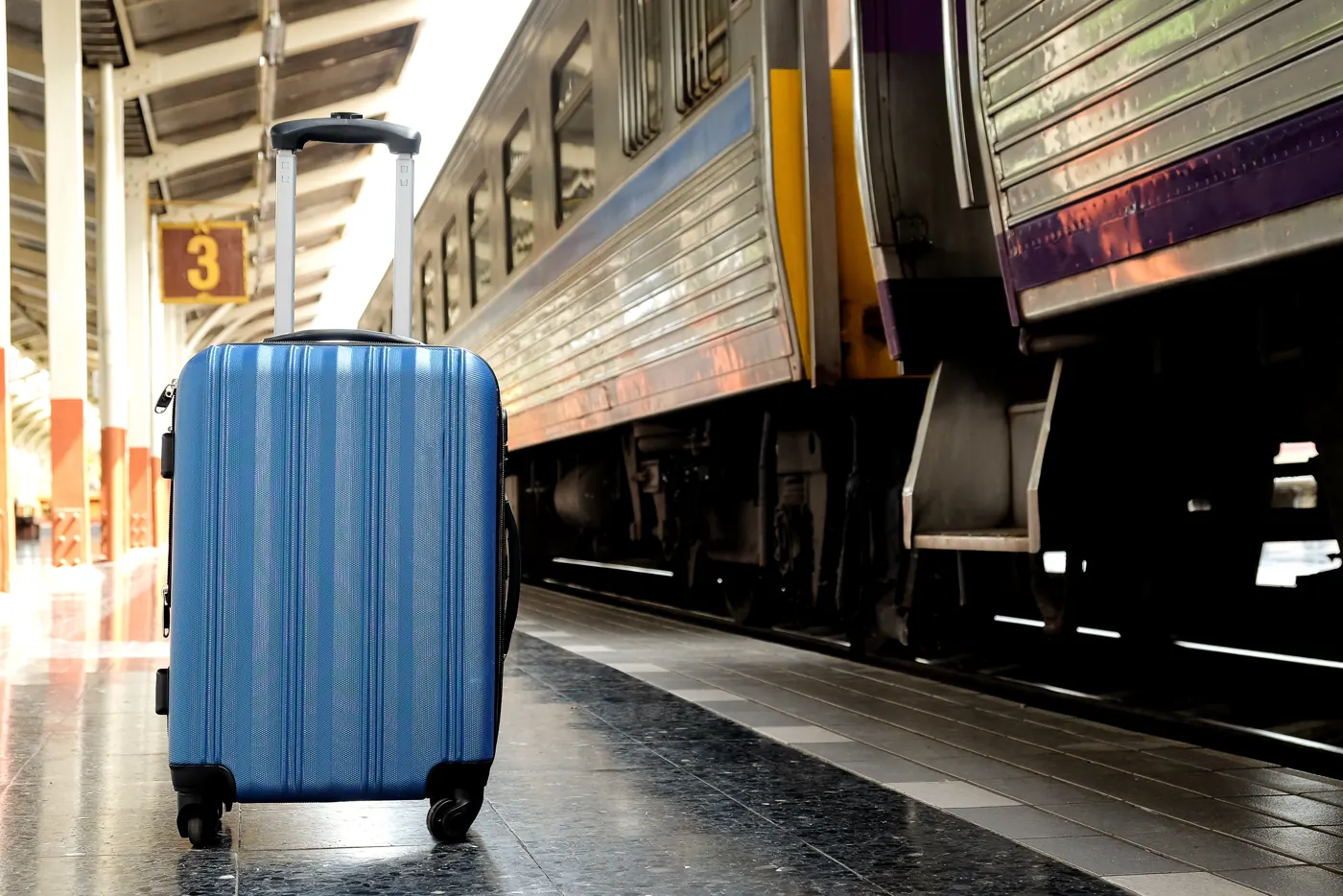
A bag you don’t want to carry does not automatically become a checked bag. Amtrak’s checked-baggage guidance says the service is not available on every train or at every station. Verify the train and both endpoints before building a packing plan around it.
Where available, the published standard allowance is two free checked bags, each up to 50 pounds and 75 linear inches. Linear inches means length plus width plus height. Check the separate instructions for excess, oversized, and special items rather than extending that standard allowance to everything you want to bring.
Station check-in deadlines also matter. Amtrak directs passengers to the station detail page for the applicable check-in time. Leave room in the plan to get the bags to the right place before that deadline.
Check the journey beyond the train

Look at the transfer to the station and the trip after arrival. Does the hotel journey include a transit change, stairs, or a walk you haven’t accounted for? The train’s baggage limit doesn’t settle whether your entire luggage plan is workable.
Write down the number of bags each traveler will manage, which items stay accessible, and whether any bag depends on a confirmed checked service. Check that plan again if you change trains or stations.
The useful packing target is the set of bags that meets the rules and works for your route and needs. You don’t have to fill the allowance simply because it is available.
Source note
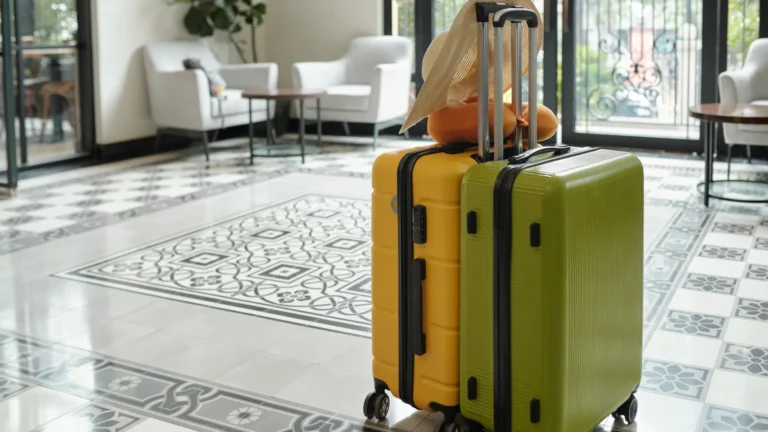
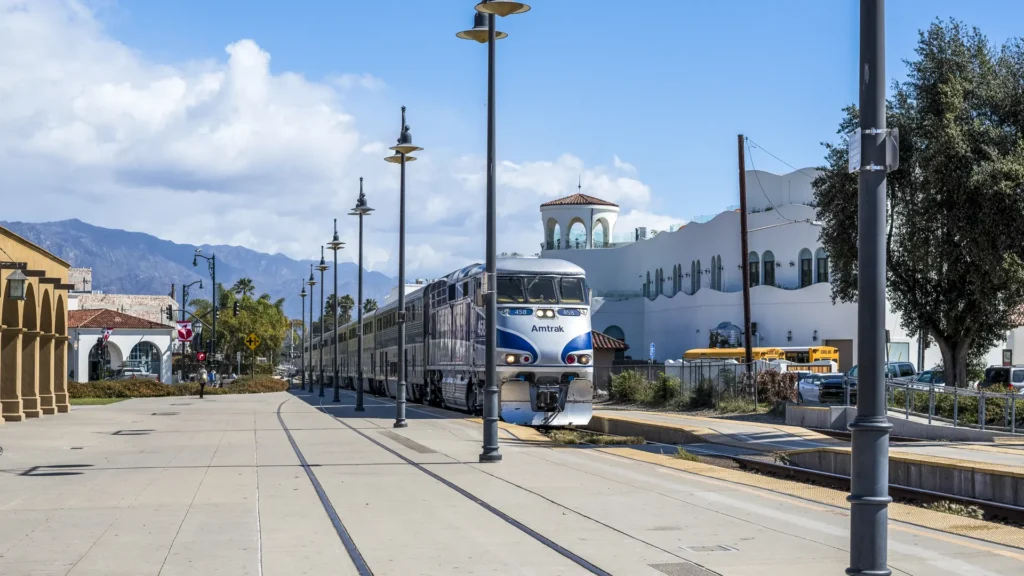
This researched guide uses the Amtrak references linked above, checked October 21, 2026. It reports no first-hand rail journey or luggage test. The featured photograph shows an Amtrak Pacific Surfliner at Santa Barbara; supporting stock photographs illustrate packing, station travel, and planning rather than a particular booked service.