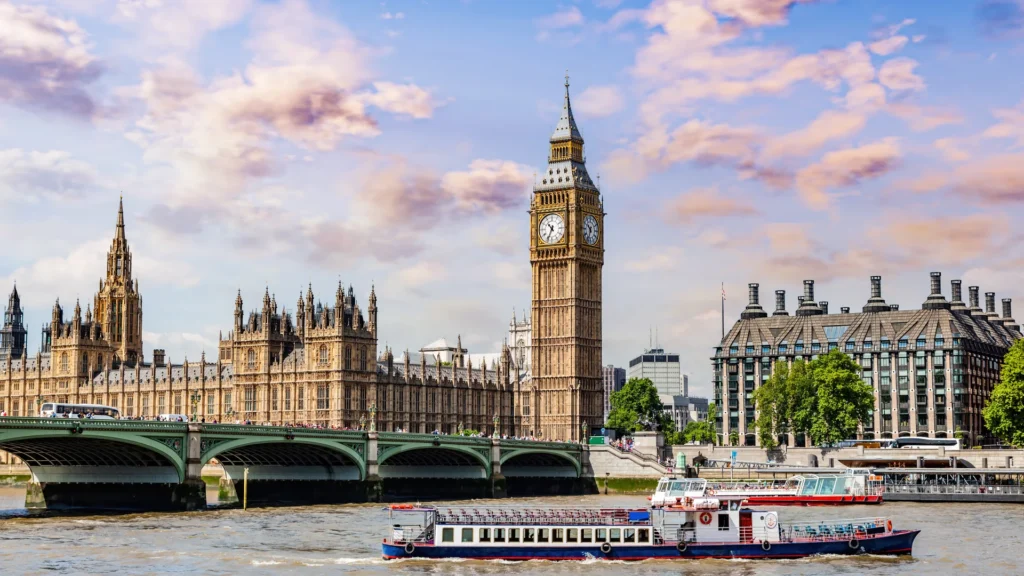

A good three-day London itinerary groups nearby sights and gives cold weather somewhere to go. It does not send you from Westminster to the British Museum, back to the river, and across town again for dinner because each stop appeared on a different “must-see” list.
This suggested winter route uses one main area each day: Westminster and the West End, Bloomsbury and a museum, then the eastern riverfront. It is a researched plan, not a claim that Beau and Sean tested this exact three-day sequence.
Make three choices before buying tickets
First, choose the paid attraction you most want. Second, decide whether a West End show belongs in the trip. Third, check whether your dates include December 24 through 26 or January 1. Those answers determine the order more than a generic Day 1 label.
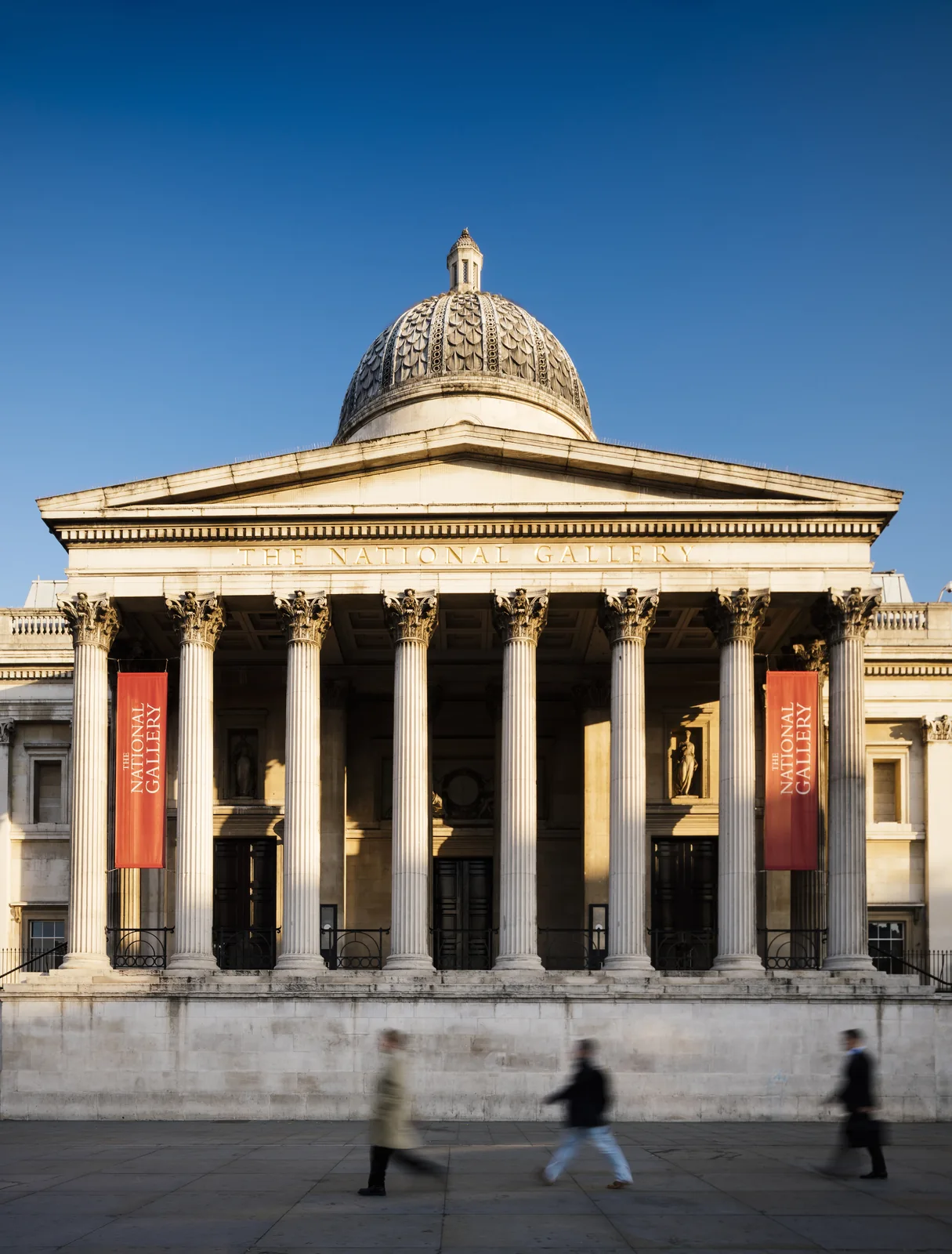
The British Museum closes December 24 through 26. The National Gallery lists those closures and January 1. London’s public transport does not operate on Christmas Day, so December 25 requires its own local plan rather than a modified version of these sightseeing days.
Keep arrival and departure time out of the sightseeing budget. Three hotel nights may give you only two full days once airports and luggage are included.
Day 1: Westminster, a warm break, and the West End
Start around Westminster for the exterior views of Parliament, Big Ben, and the river. If you want to visit Westminster Abbey, book and plan that as the main attraction rather than assuming it is a quick stop between photographs. Use the Abbey’s visitor page for the actual date, admission arrangements, and any service-related restrictions.
You can then make a short walk part of the morning or move straight to lunch. Decide what matters more to the group: additional outdoor views or enough energy to enjoy the afternoon. Winter travel often becomes more comfortable when you choose one instead of insisting on both.
Afternoon: Trafalgar Square and the National Gallery
The National Gallery gives this day a substantial indoor option near the West End. General admission is free; some exhibitions have separate charges. Book a free admission slot if the gallery recommends it for your visit, and select a few rooms or artists rather than trying to cover the whole collection.
If painting is not a priority, substitute an activity you actually want. Free entry is not a reason to spend an afternoon somewhere that does not interest the group. The purpose of the indoor anchor is a worthwhile visit, not simply staying out of the weather.
Evening: dinner, a show, or a lights walk
Choose one main evening commitment. If it is theater, arrange dinner with enough time to reach the venue and arrive when requested. If it is Christmas lights, keep the walking route short enough to end comfortably.
Regent Street and Carnaby Street can make a compact lights outing. Covent Garden can extend the evening if everyone still wants to walk. Check the current Christmas lights information before assuming displays are already on or still operating.

Day 2: Bloomsbury and one substantial museum visit
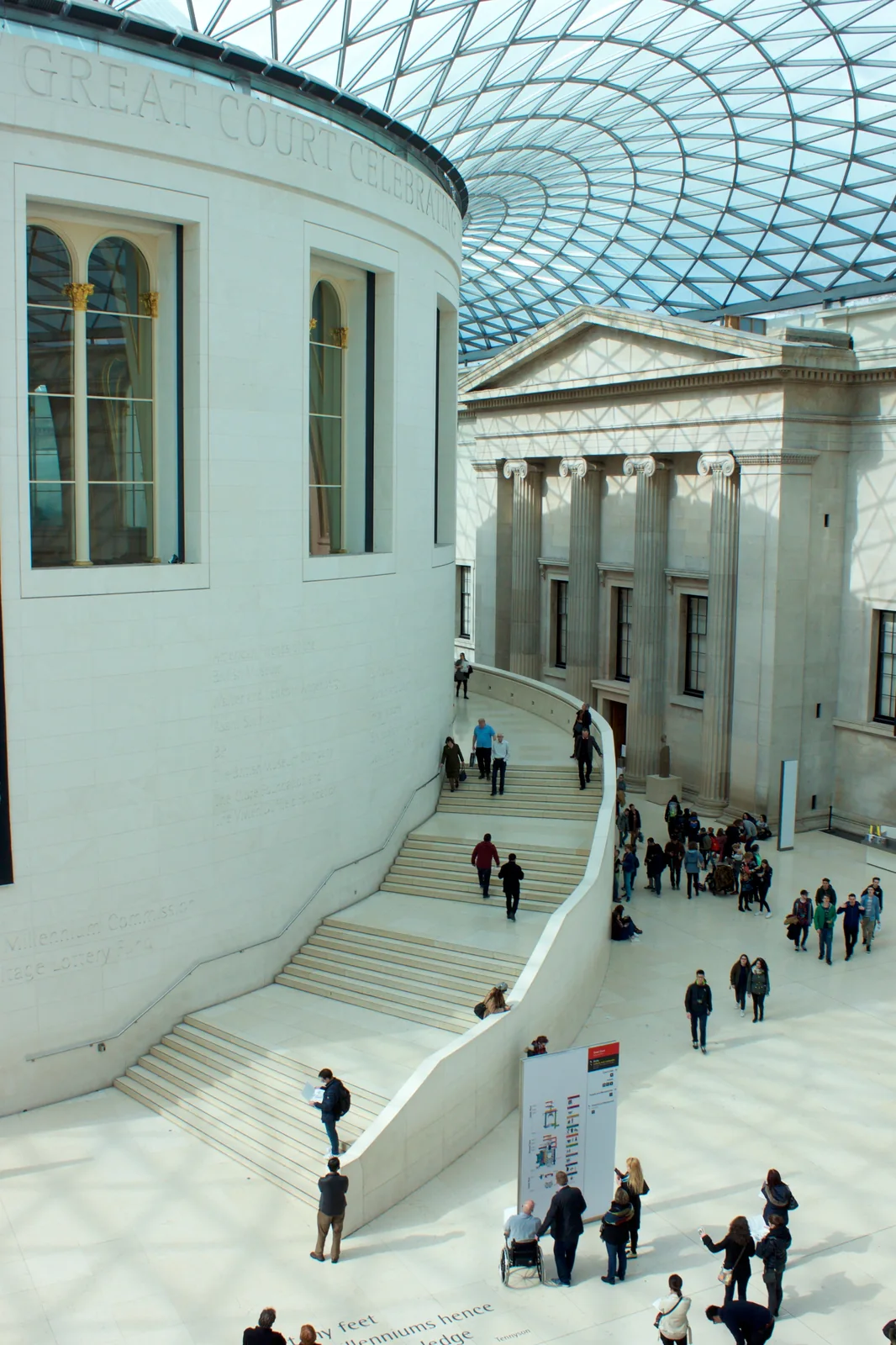
Give the British Museum its own morning or afternoon. Look at the collection and choose what you want to see before entering. Two visitors can spend the same amount of time here and have very different days, depending on whether they focus on a few galleries or hurry through many.
The museum recommends advance booking. Confirm opening hours, temporary closures, accessibility, and bag restrictions on its own site. A free general-admission booking is separate from a ticket for a paid exhibition.
Plan lunch as a real stop. Do not make everyone wait for food while you add one final gallery, then another. If someone wants longer in the museum, discuss a sensible regrouping arrangement rather than assuming every person has the same interests.
Afternoon: stay nearby or choose Covent Garden
You can spend the second half of the day around Bloomsbury, or make a deliberate move toward Covent Garden. Keep the destination clear: shopping, a booked activity, or a place to eat. A vague plan to “see everything around there” creates more walking than it sounds like.
If you already used Covent Garden on Day 1, this is an opportunity to slow down rather than find another district to add. Return to somewhere you liked, take a longer meal, or use the time for the attraction that mattered more than the suggested museum.
This is also the place to put a specialist visit. If the group cares deeply about design, transport, or another subject, replace the British Museum block with a relevant venue and regroup the geography. A generic famous-name itinerary should not override an actual interest.
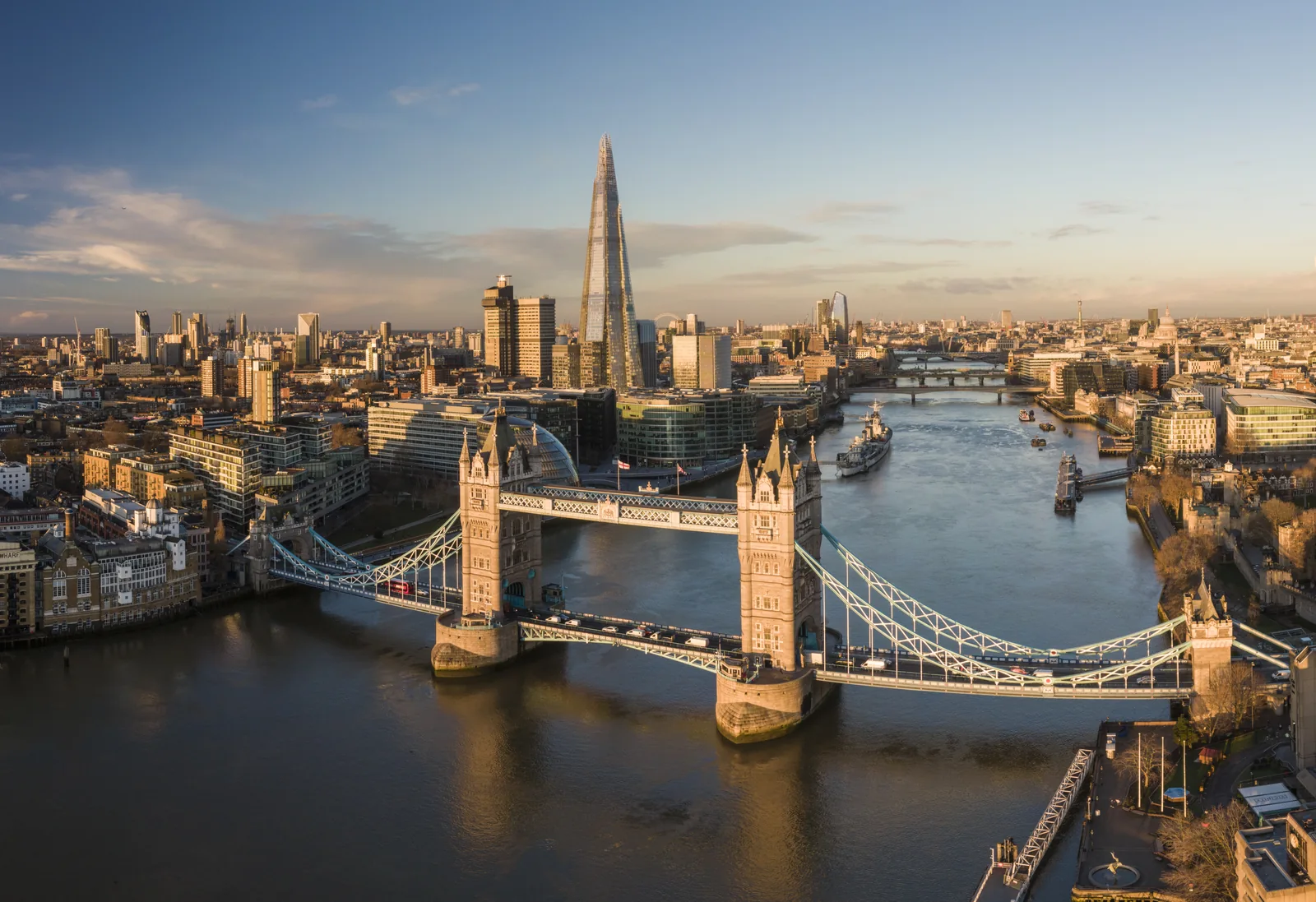
Day 3: Tower Bridge and the eastern riverfront
Use Tower Bridge as the visual anchor, then decide which paid visit, if any, belongs with it. A Tower of London visit and a bridge exhibition are separate purchases and can use very different amounts of time. Check the Tower of London’s official visitor information before giving it a small leftover slot.
Leave time to look at the river. You do not need to walk every stretch of the South Bank to enjoy a riverside day. Choose one direction and a sensible lunch endpoint, with an indoor alternative if the weather turns unpleasant.
Avoid adding a distant timed attraction simply because it is your last day. The transfer can use the part of the afternoon you thought you had reserved for sightseeing. If you need to collect bags or travel to an airport, the day should become smaller, not more ambitious.
How to adjust for January
The museum-and-neighborhood structure still works after the Christmas displays finish. Replace the lights walk with a performance, dinner, or a shorter evening stroll. Verify individual event end dates; some holiday attractions continue into early January, while others do not.
Do not assume January means every major sight is empty or every hotel is cheaper. Compare the actual booking and choose timed entries based on availability. The advantage of this plan is that it works without needing a crowd prediction.
Transport and hotel location
Use TfL’s journey planner with your hotel address, date, and accessibility preferences. Include the walk to and from stations. A route with an extra transfer may save little once stairs and long passages are counted.
You do not need to stay beside every sight. Choose accommodation that makes the arrival, departure, and repeated journeys manageable. A slightly longer ride can be acceptable; a hotel that forces an awkward connection every morning may not be.
For the channel’s recent Europe context, read our trip update. This itinerary is a planning option you can adapt, not a list of places you must complete.
Visitor information checked October 21, 2026. Verify holiday hours, tickets, and transport for your dates.
Found an error or an outdated detail? Send a correction for this article.