
Choose the museum visit you care about most, check its booking requirements, and let that reservation anchor the day. Put flexible plans around it: a walk, a meal, or another stop you can shorten or skip.
The goal is a day with room to enjoy the collection. A timed ticket gives you something definite to plan around, but it doesn’t tell you how quickly you’ll reach the entrance, get through security, or finish looking at the art.
Separate admission from a time reservation
A right to free or discounted admission doesn’t necessarily settle when you can enter. Check the museum’s own instructions for your ticket or pass, including whether you need to reserve a start time separately.
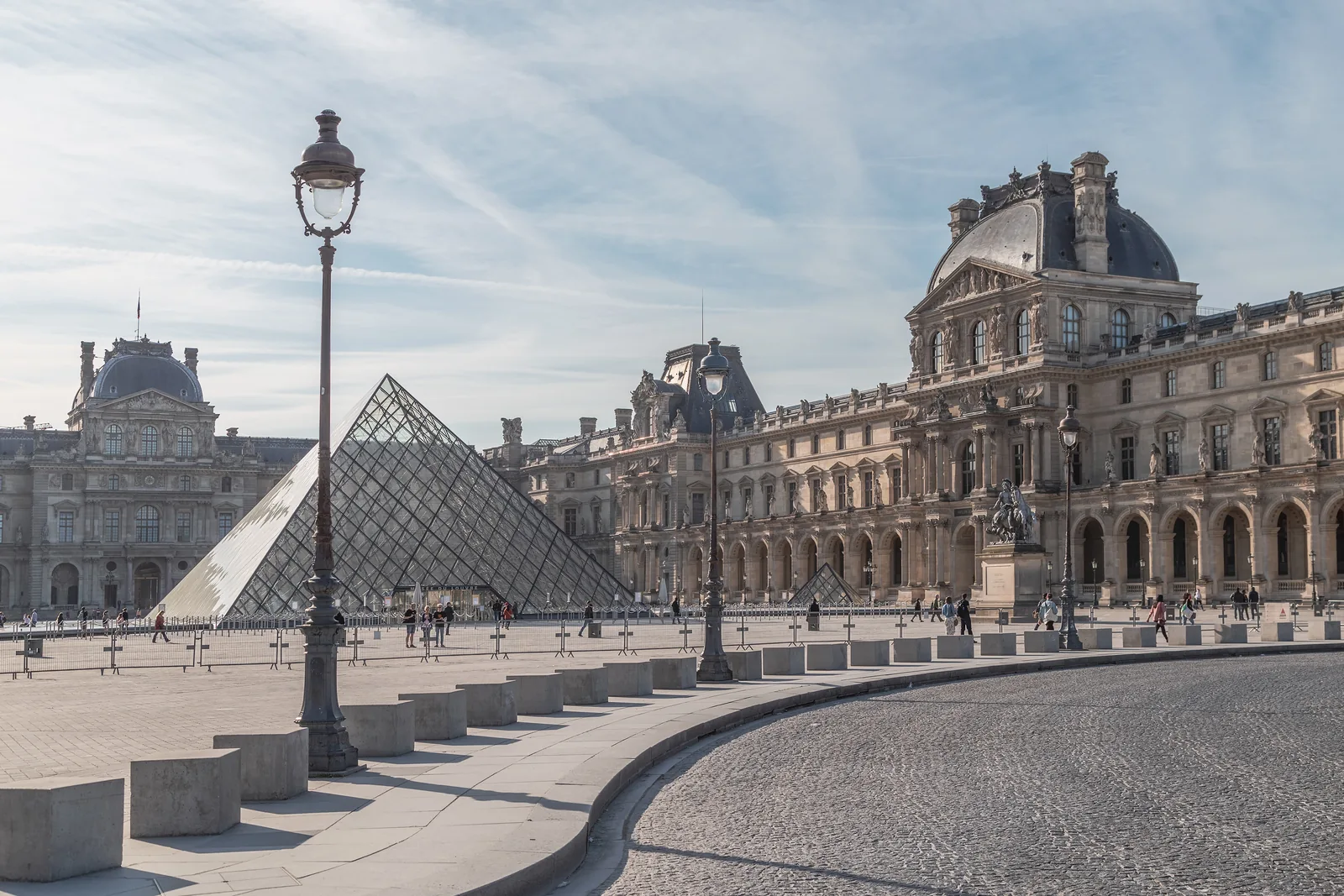
Two examples show why the details matter. The Louvre’s reservation guidance strongly recommends advance time-slot bookings, including for visitors entitled to free admission. It also states that an advance booking doesn’t give priority at security checks.
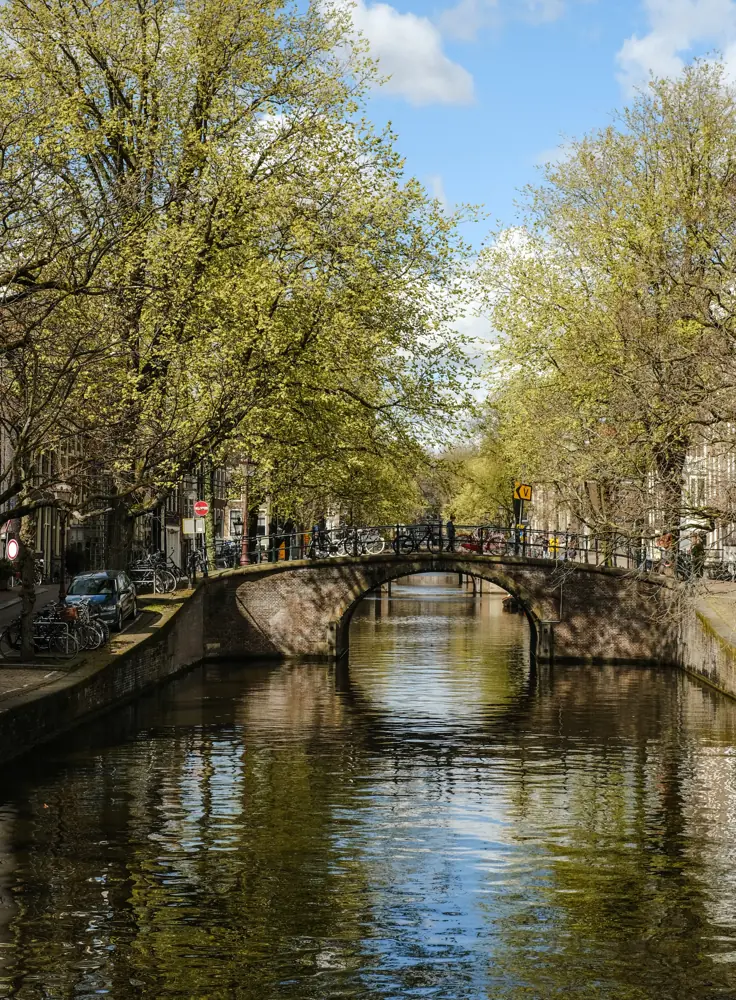
At Amsterdam’s Van Gogh Museum, the standard ticket instructions require a start time, including for visitors reserving free entry with a qualifying discount card. The museum lists separate direct-access arrangements for its friends and patrons. Read the category that applies to you rather than borrowing someone else’s entry rule.
These are examples, not a shared policy for every museum. Check the official page and the booking conditions for your own visit before paying.
Work backward from the entrance

Put the museum’s address and the entrance instructions in your plan. A route to the building is useful, but a large museum may have more than one access point. Use the entrance specified for your booking.
Then plan the trip from your accommodation, including any transfer, walk, or bag drop. Add the arrival allowance requested by the museum and some room for ordinary delays. Don’t substitute a reassuringly precise map estimate for the actual sequence of things you need to do.
Write the time you intend to leave your accommodation beside the reservation time. If that departure depends on checking out, storing luggage, or meeting another person, make those dependencies visible. A workable morning starts before the first gallery.
Keep the next stop flexible
A reservation doesn’t have to become a tightly packed schedule for the whole day. Choose one nearby possibility for afterward and decide whether it can stay optional. A walk can be shorter. An unreserved meal can happen later. Another timed attraction is a second commitment.
Before adding that second commitment, account for the visit, leaving the building, finding food if needed, and getting to the next entrance. Leave room for your own interests. If you want to linger over one collection, a calendar full of small slots may work against the reason you came.
Discuss the tradeoff with your travel companion before booking. One person may want a long museum visit while the other would prefer a shorter look and a walk. Agree on a priority and a meeting plan without pretending both people want exactly the same day.
Copy a one-page museum day card
Keep this with your travel document folder. Fill it from the actual reservation and current museum instructions.
| Field | Your plan |
|---|---|
| Museum and visit date | Name, city, and date. |
| Ticket category | Paid ticket, qualifying free admission, pass, or another category. |
| Reserved start time | The time shown on the booking, if required. |
| Entrance | The address and access point specified by the museum. |
| Arrival instructions | The museum’s requested arrival allowance and entry conditions. |
| Route from accommodation | Transport, walking, and any luggage arrangement. |
| Leave-by time | When your morning needs to start. |
| Priority inside | The collection, exhibition, or few works you most want to see. |
| Flexible afterward | One nearby option that can move or be dropped. |
| Ticket access | Where the ticket is saved and which supporting proof is required. |
The card is a planning tool, not another document you need to present at the entrance. Keep the actual ticket and any required proof accessible separately.
Recheck the parts that can change
Before the visit, read any museum notices and compare the ticket date and start time with your calendar. Check opening information, the route, entry requirements, and any restrictions that affect what you’re bringing. Use the museum’s current instructions if they differ from an old note or screenshot.
If your plans change, review the ticket’s change conditions directly. Don’t assume that a time reservation can be moved simply because another slot appears available. Resolve that question before building a new day around it.
Source note
This researched planning guide uses the Louvre and Van Gogh Museum pages linked above, checked October 21, 2026. It does not report a Replicate visit or guarantee entry, waiting time, or ticket availability. Stock photographs show the Louvre, Amsterdam, and travel planning.
Found an error or an outdated detail? Send a correction for this article.