
A park pass and a timed-entry reservation answer different questions. The pass covers specified fees. A reservation, when required, controls access to a place or activity at a particular time.
Before building the day around a national park, check the entrance fee, any timed-entry requirement, and the rules for the activity you want to do. Buying one item doesn’t automatically complete the other steps.
Check three things separately
The National Park Service’s entrance-pass guide explains that some sites need an entrance pass and that reservations may also be required. It distinguishes vehicle timed entry from other reservations, such as access to a tour or feature.
| Question | Where to check |
|---|---|
| Which entrance fee or pass applies? | The park’s current fees page and the official pass guidance. |
| Is timed entry required for this date, hour, and area? | The specific park’s timed-entry instructions. |
| Does the activity need another booking or permit? | The park’s instructions for that trail, campsite, tour, or activity. |
Check the conditions for your party and the pass you’re considering. Don’t assume the price, eligibility, or coverage you remember from an earlier trip still applies.
Read the reservation type, not just the park name
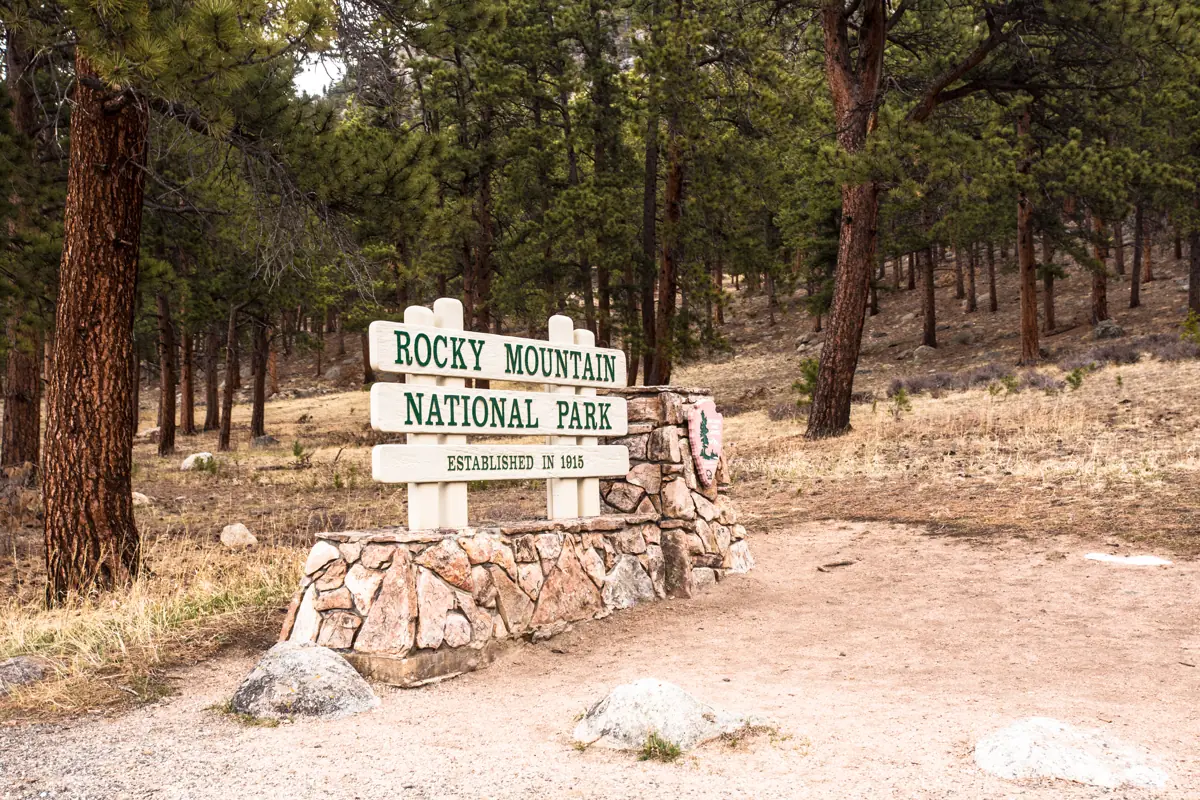
Rocky Mountain National Park’s 2026 timed-entry system shows why the details matter. It had two reservation types with different access and operating periods:
- Timed Entry, excluding the Bear Lake Road Corridor: required from 9 a.m. to 2 p.m., May 22 through October 12, 2026.
- Timed Entry+ Bear Lake Road, including that corridor and the rest of the park: required for corridor entry from 5 a.m. to 6 p.m., May 22 through October 18, 2026.
The park listed a nonrefundable $2 Recreation.gov processing fee for a timed-entry reservation and required a valid entrance pass as well. It also stated that timed entry did not guarantee parking at a particular trailhead or destination.
These are 2026 examples. Both listed seasonal periods had ended by the October 21 reference check for this article. They aren’t a 2027 calendar or a rule for another park. Use the current official instructions for your trip date, including any exceptions involving another booking.
Save the details that make the booking usable
Before booking, record the official reservation portal, release date and time zone, arrival window, covered area, fee, and cancellation conditions. Check whether the booking is tied to a named traveler or vehicle and what proof you need to show.
Save the confirmation with the entrance-pass information in your travel document folder. Keep the two items clearly identified so you can find the one being requested. Check the park’s instructions for presenting them if mobile reception is limited.
Then compare the reserved arrival window with the drive you actually need to make. Include the route to the relevant entrance or controlled area. A reservation for the right day is less useful if the rest of the itinerary assumes a different arrival time or destination.
Before departure, recheck the park’s current access notices and conditions. The reservation settles only the access it describes. It doesn’t replace the rest of your trip planning.
References
National Park Service pages checked October 21, 2026. The seasonal example is explicitly for 2026. Photographs illustrate Colorado scenery, the park entrance, and travel planning.
Found an error or an outdated detail? Send a correction for this article.