

An “80 lb” label isn’t enough to choose paper. You also need to know whether it means text, cover, or another paper category. For a folded card, a printed insert, or a small paper model, write down the complete stock specification before comparing prices.
Three measurements keep appearing on paper listings. They answer different questions, and none replaces a sample of the sheet you intend to use.
Pounds need a paper category
In the U.S. basis-weight system, the number describes the weight of 500 sheets at that category’s standard basic size. Text and cover use different basic sizes. 80 lb text and 80 lb cover aren’t equivalent stocks.
Mohawk’s Paper Basics explains the system, including why the category must stay attached to the number. If a shop listing only says “80 lb paper,” ask for the missing category rather than filling it in yourself.
GSM compares mass per area
GSM means grams per square meter. It uses the same area across paper categories, so it helps compare the mass of different stocks without switching basic sheet sizes.
It doesn’t measure thickness. Nor does it establish whether a sheet suits your printer, bends the way you want, or looks right beside another material in the project.
As a concrete example, Neenah’s Cotton stock list lists 80T at 118 gsm and 90C at 243 gsm in its Letterpress finish. Those are specifications for that product line, not a rule that every paper with “90” on the package behaves alike.
Caliper measures thickness
Caliper is the paper’s thickness. In paper specifications, one point is one thousandth of an inch, so 10 pt means 0.010 inch. This is a thickness unit, separate from the point size used for type.

Neenah lists caliper separately from basis weight and notes that its caliper values are approximate. Keep the units and the supplier’s stated tolerance or qualification when recording a specification. Don’t turn an approximate catalog value into an exact fit measurement.
Mohawk’s packaging-paper guidance also distinguishes board made to caliper from an approximate basis weight. That matters when a supplier is specifying thickness as the controlling property.
Make a useful comparison note
A note that says “buy heavier card” leaves the next purchase open to interpretation. A better note identifies what you’re trying to repeat:
- Brand and product line.
- Color and surface finish.
- Full weight label, including text, cover, or writing, plus GSM if supplied.
- Caliper and units, if the supplier lists them.
- Sheet size and grain direction.
- Printer or print service, and the approved stock for that process.

Ask for a sample before ordering the project quantity. Use it to check the actual fold, the printed appearance, and any fit that matters to your design. Record what happened on that sample, including the material and process, so the next decision has something specific behind it. The paper grain guide covers planning the fold direction before laying out the sheet.
For home printing, check the exact printer’s supported media and feed instructions. A promising GSM number on a shop page doesn’t confirm compatibility with your machine.
Choose the stock that meets the job, then keep its full name in the project record. That makes a reorder much easier than trying to remember how “the thick white one” felt.
Sources and photographs
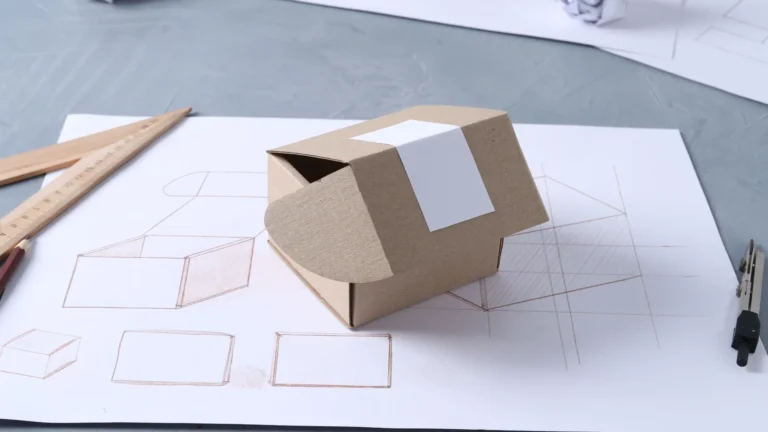
Manufacturer references checked October 22, 2026. This is a specification-reading guide, not a comparison of stocks tested by Replicate Workshop. Licensed stock photographs illustrate paper inspection and folding; the pictured sheets aren’t identified as the Neenah product discussed above.