
France is where a walk around World Showcase can turn into a fairly involved discussion about which bakery item counts as lunch. There are worse planning problems, but the pavilion has more to offer than a pastry queue and an Eiffel Tower photograph.
This is stop three on my Canada-first, counterclockwise route, after the United Kingdom and before Morocco. Counterclockwise is my favorite direction to walk World Showcase. In France, I’d give the food, the architecture, and the attractions separate attention so the entire visit doesn’t disappear into choosing a snack.
The real Eiffel Tower is the obvious connection. The more useful question is what happens after that first photograph, both in EPCOT and in Paris.
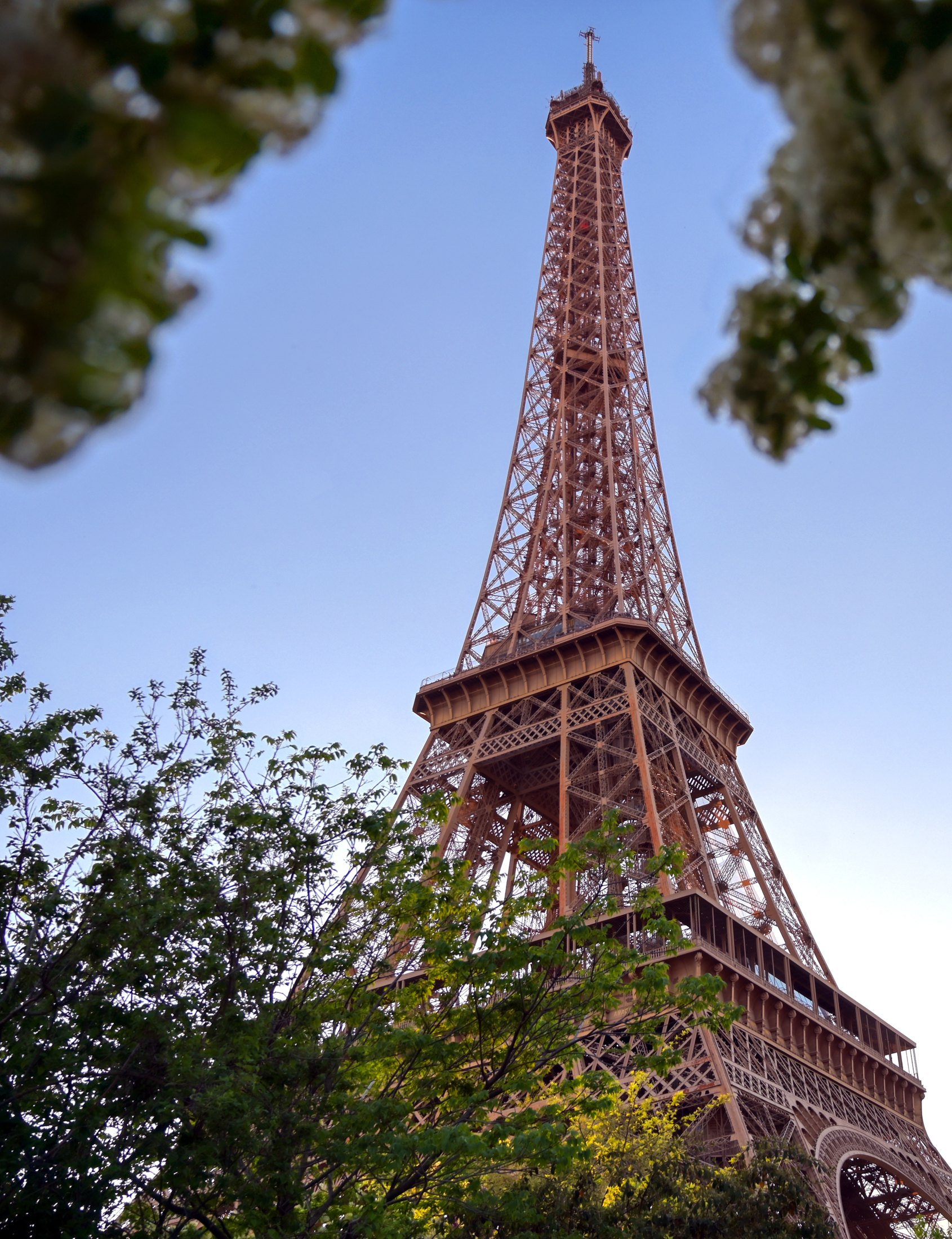
A Paris scene with a tower in the distance
The pavilion uses Parisian streetscape cues to establish a place to stroll, eat, and look around. The Eiffel Tower rises beyond the buildings, creating the impression of a larger city continuing behind them. It is a scenic element, not a tower you can enter and climb.
That is forced perspective at work: scale, placement, and the surrounding view suggest distance. The real Eiffel Tower has a very different relationship to the city, and visiting it involves choosing how you want to experience an actual monument rather than walking toward a piece of background scenery.
The pavilion also includes a Ratatouille-inspired area. That adds a fictional Paris to the architectural Paris already being suggested. It’s a useful distinction: a storybook restaurant world and a real city can share visual references without being the same place.
What to see and do at EPCOT
Remy’s Ratatouille Adventure is the major ride. Its premise shrinks you into Remy’s world, so the giant food-and-kitchen perspective is part of the experience. It’s a film-based adventure, not a documentary tour of Paris.
Impressions de France provides the country-focused film experience. If the architecture and real landscapes are what brought you to this pavilion, give the film its own place in the plan instead of assuming the ride covers that subject.
The Beauty and the Beast Sing-Along is another, quite different theater choice. Check the attraction listings for the presentation you actually want. Similar geography on a map does not mean interchangeable content.
Between attractions, look at the shopfronts and the way the streets frame the distant tower. Kidcot gives children a country activity stop while the group explores. France rewards looking above the counter displays as well as into them.
What to eat: choose the kind of stop first
There are enough food choices here that the easiest first decision is format. Do you want a quick bakery visit, a crêpe meal, a classic table-service restaurant, or a more formal dinner? Decide that before comparing individual desserts.
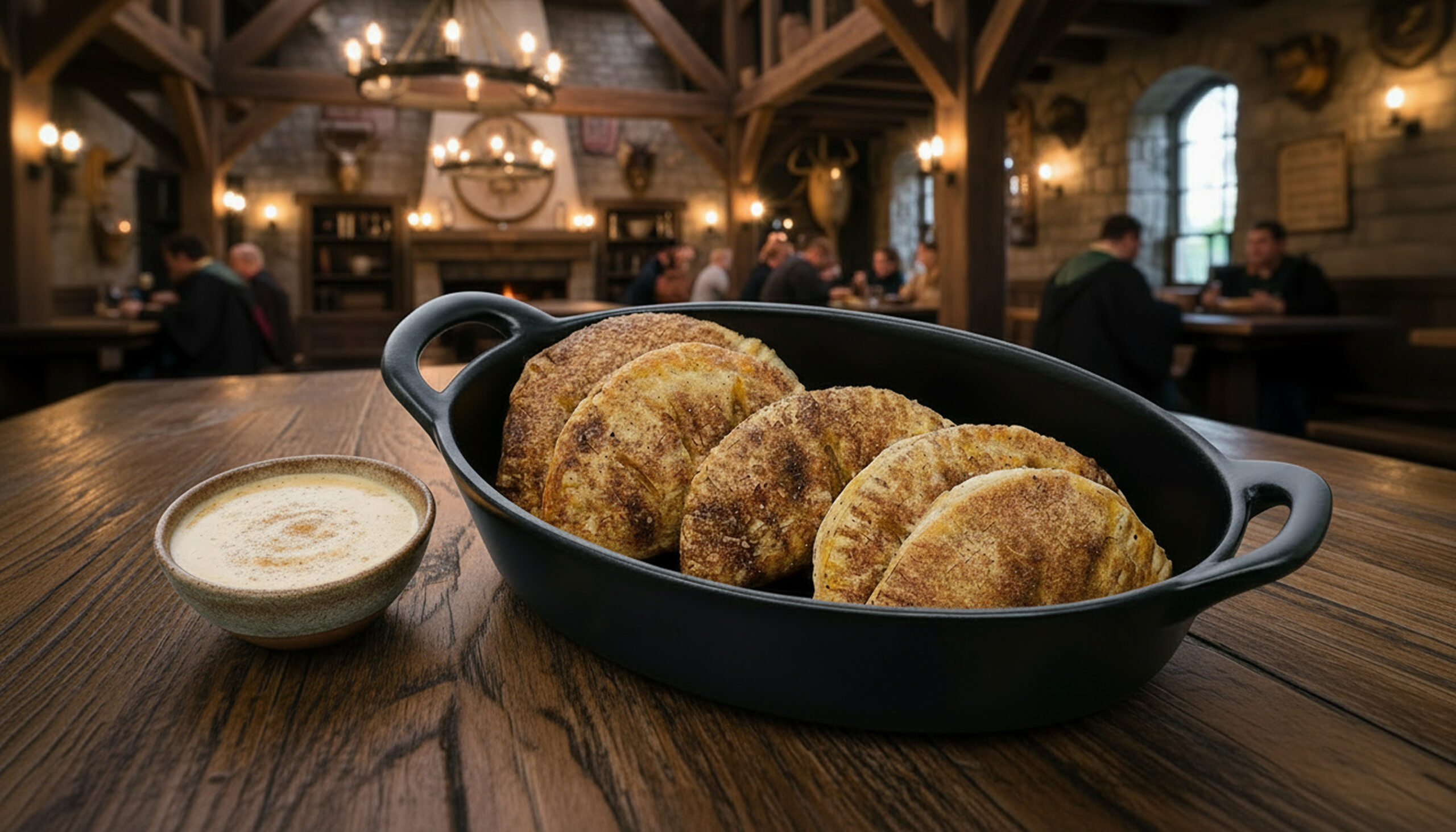
Les Halles Boulangerie-Patisserie is the bakery route, with savory and sweet options. It makes sense when the group wants different things without organizing a formal restaurant meal. Look at the menu before reaching the display so the queue doesn’t become your only decision time.
La Crêperie de Paris gives crêpes and savory galettes a table-service setting. Crêpes À Emporter is the counter-service alternative. The distinction matters more to your day than whether both names contain “crêpe.”
Chefs de France is the bistro-style restaurant choice. Monsieur Paul is the more formal dining option. Let the meal’s place in your day guide that choice, and use the official pages for menus, reservations, and dining requirements.
For a smaller sweet stop, L’Artisan des Glaces centers on ice cream and sorbet. Les Vins des Chefs de France is another counter to consider for its drinks. Neither needs to become a mandatory purchase just because you’re completing a country walk.
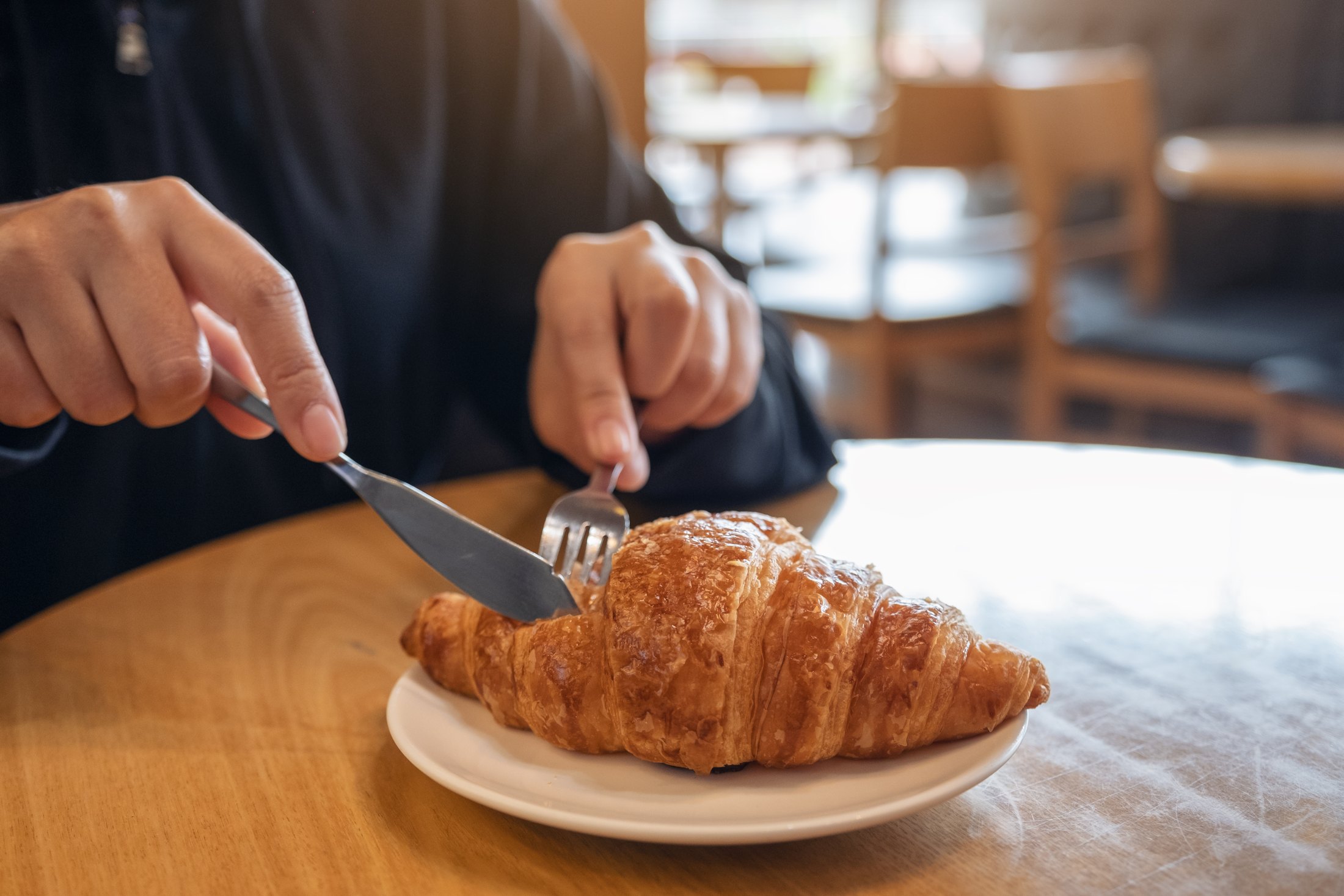
France’s regional food traditions are broader than the Paris setting suggests. Crêpes point toward Brittany; different wine regions have their own landscapes and histories; a bakery visit can be an everyday meal rather than a special event. The pavilion gives you several first tastes, but it doesn’t turn all French cooking into one menu.
What to shop for
La Signature follows the perfume connection, while Souvenirs de France is the more direct browse for France-themed keepsakes. Use the store pages as orientation, since individual products and collections change.
If fragrance is the main interest, take time to compare rather than treating the purchase as a race to the next pavilion. If food is the main interest, inspect ingredients and packaging before assuming a souvenir can travel well or suit the person receiving it. A useful object is a better reminder than a compulsory purchase at every stop.
The real landmark: the Eiffel Tower
The Eiffel Tower was built for the 1889 Exposition Universelle. The tower’s official history explains the engineering project and the monument’s changing place in Paris. It began as an exposition structure and became a defining part of the city’s skyline.
That history makes it a particularly fitting EPCOT connection. World Showcase also draws on the idea of a world’s fair, where architecture and spectacle introduce visitors to places and ideas. The relationship is more interesting than simply “there is a tall thing in both locations.”
In Paris, decide whether you want to go up the tower, view it from the surrounding area, or do both. Those are different experiences. A photograph of the tower does not require the same plan as entering it, and the official site is the place for visitor access and ticket information.
Give yourself room to notice the structure close up. From far away, the silhouette does most of the work. Underneath it, the ironwork and scale become the story. That is one of the clearest differences between a distant pavilion landmark and the real object.
Beyond the first Paris photograph
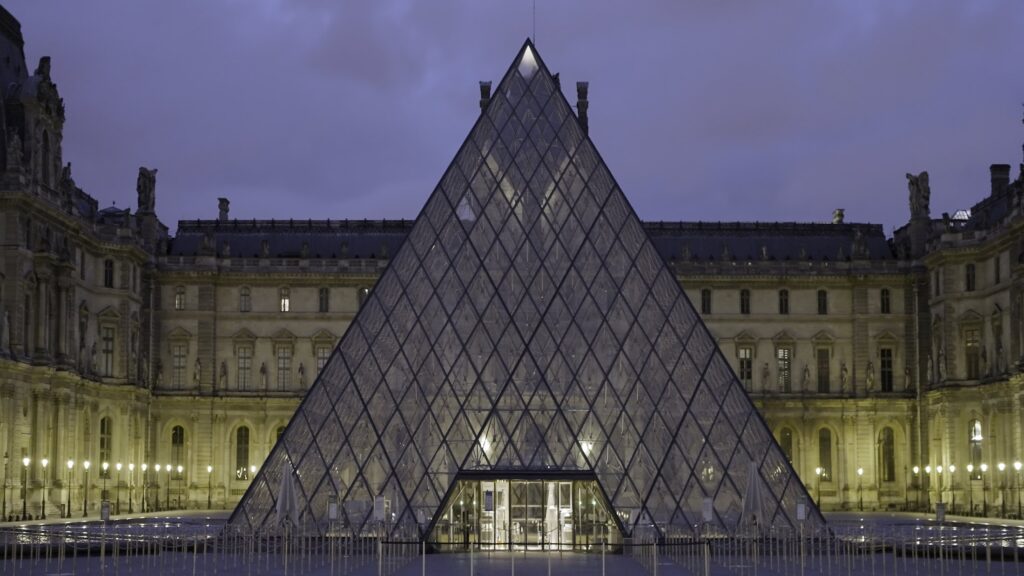
The Louvre is a natural next step if architecture and art interest you. The palace and glass pyramid make their own striking contrast, but the museum is too large to approach as a single undifferentiated checklist. Choose a few collections or works you want to understand, and leave space for the building itself.
A real Paris day can be built around one substantial visit, a neighborhood walk, and a meal. It does not need the Eiffel Tower, the entire Louvre, every famous pastry, and a river outing squeezed into one continuous sprint. EPCOT makes the connections walkable; Paris gives them actual city distances and far more material.
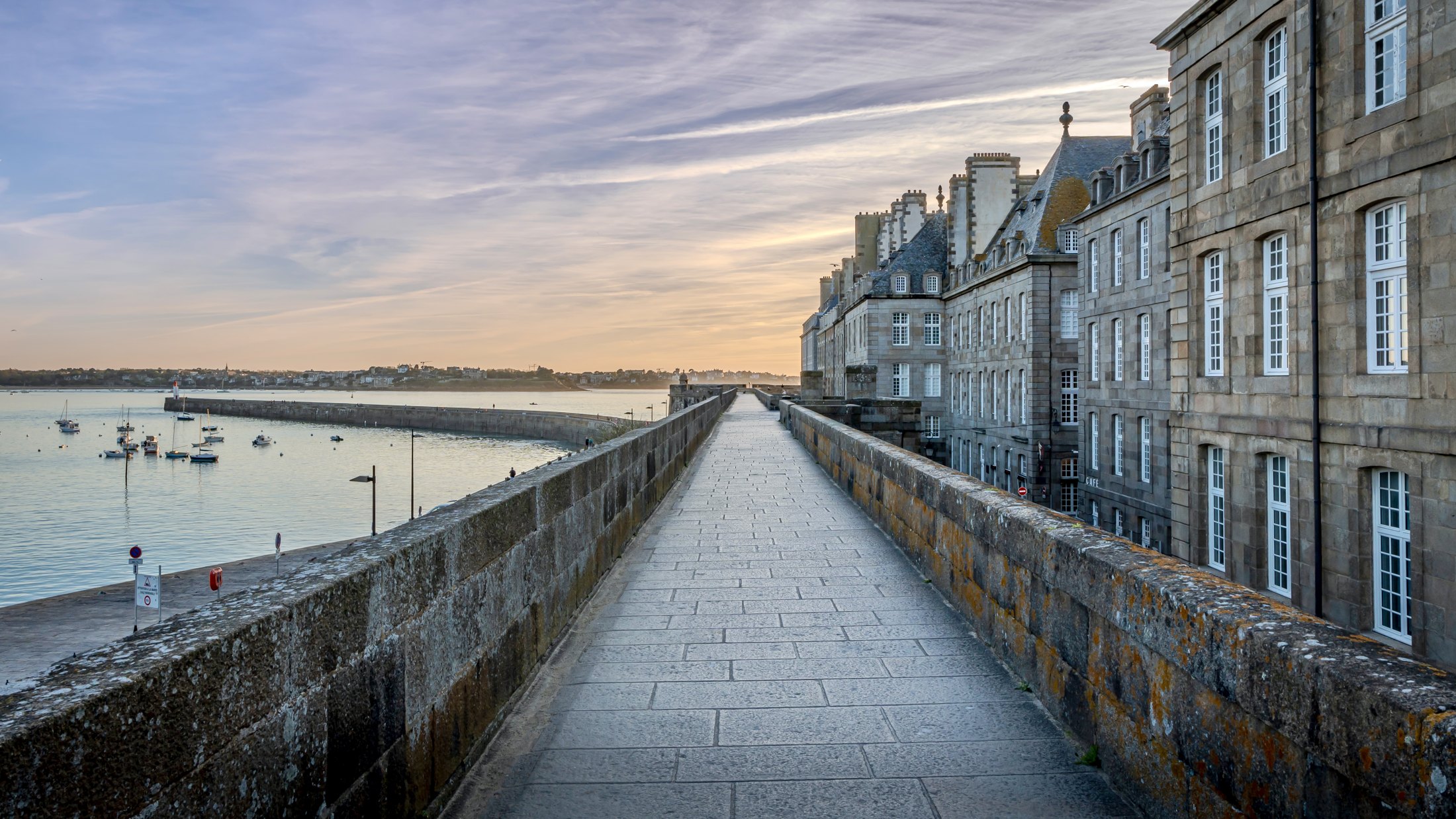
Saint-Malo’s ramparts and waterfront give Brittany a very different visual character from the Paris scene in the pavilion. A coastal city can be its own reason to choose the region, with food as part of the visit rather than the only purpose.
To follow the food beyond Paris, use France’s official tourism site to choose a region on purpose. Brittany is a meaningful direction for a crêpe interest. Other regions may make more sense for wine, coast, mountains, or a particular kind of architecture. Pick the interest first, then build a route around it.
The same principle applies to eating. A bakery breakfast, a market lunch, and a restaurant dinner are different ways of engaging with a place. You don’t need every meal to be a major reservation, and you don’t need every French meal to confirm what was on the EPCOT menu.
What EPCOT changes
The pavilion brings a recognizable Paris streetscape, a scaled background tower, regional food references, and Disney film worlds together. It compresses distance and lets a fictional kitchen adventure sit close to a country film and several real restaurant traditions.
The biggest misconception to leave behind is that the tower is an accessible miniature monument. It is visual storytelling. The real tower is an engineering work you can study at close range, and Paris is a functioning city beyond its most recognizable view.
For EPCOT, I’d choose one attraction priority and one food format, then leave time to look around. For the real trip, I’d start with the tower’s story and choose what comes next based on what actually interests me. A good croissant can certainly be part of that decision. It just doesn’t need to make every decision.
Stop 3 of 11: Return to the real-world World Showcase walk or explore our Theme parks hub.
This is a researched guide to EPCOT and the real places behind its design. It does not represent a personal visit to every destination or a tasting of every dish. Photographs show real-world locations and food illustrations, not the EPCOT versions. Follow the official links above for current visitor information, menus, and reservations.
Found an error or an outdated detail? Send a correction for this article.