
A note that says “good cookies” records a verdict, but it doesn’t tell you how to make them again. Save the recipe version, the equipment, and what you actually did while those details are still easy to check. A few specific lines are more useful than a long description written from memory.
You can keep the record in a notebook or beside a saved recipe. Choose the place you’ll look the next time you bake, then use the same short headings for each batch.
Start with the recipe you actually followed
Record the recipe title, author or developer, source link or book page, and the version you used. Keep the original instructions available alongside your notes so a later adjustment doesn’t quietly become part of the original recipe.
King Arthur Baking’s Recipe Success Guide advises following the specified ingredients, techniques, and pan size. Its recipe-writing explanation recommends making the original version before changing it.
If you did make a substitution on the first batch, write it down. That record is still useful, but it describes the version you made, rather than showing how the unchanged recipe performs.
Give the next batch one question
Choose a question you can answer from the bake: Do you prefer a particular texture? Does the recipe work with the pan you intend to use? Can you repeat a result you liked?
Keep that question distinct from the change you plan to make. “Crisper edges” is a preference. “Use a different pan” is an intervention. Writing both makes it easier to decide what to hold steady and what to observe.
In its account of recipe testing, King Arthur describes repeated batches, adjustments, photographs, and notes. A home record can use the same basic habit without pretending that one comparison establishes a universal rule.
If you change the pan, sugar, portion size, and baking time together, the result belongs to that whole combination. It won’t isolate the effect of one ingredient. You can enjoy that bake and still be careful about the conclusion you draw from it.
Save the details that would be hard to reconstruct
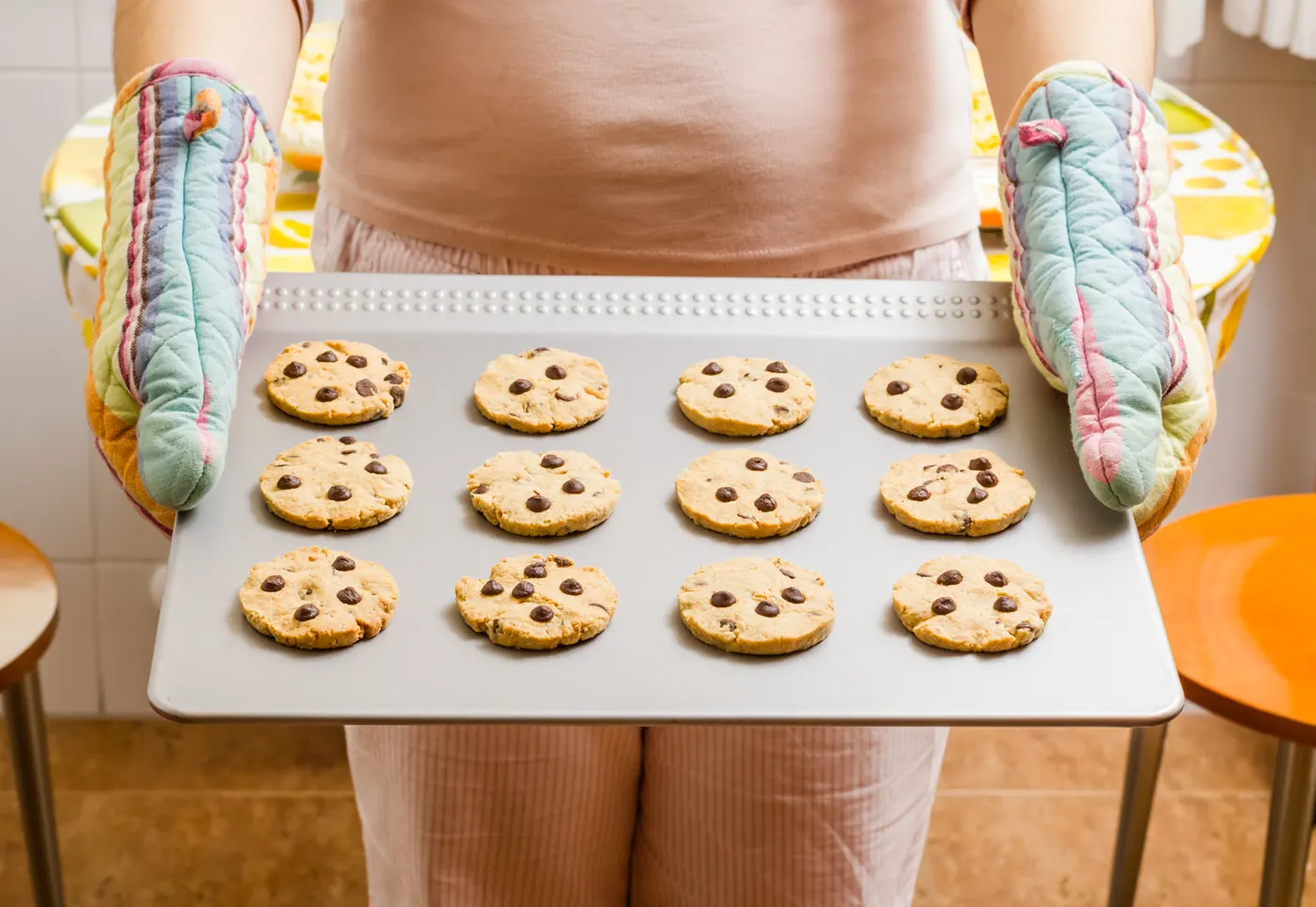
Record the actual pan, its dimensions and material, any liner, the oven mode and setting, rack position, portion size, and the times you used. Add any relevant resting, chilling, or cooling step. Keep amounts with their units.
If the recipe gives a time range, note when you checked and when you removed the bake. Don’t copy the printed range into a field meant to describe what happened in your kitchen. The baking-pan guide covers another reason to identify the pan instead of simply calling it “the tin.”
Photograph what you want to compare, and label the image with the batch. Use a similar view and lighting for the next photograph. A useful image can show the shape or browning you mean; it doesn’t replace a note about texture or flavor.
Copy this short batch record
- Recipe and source:
- Recipe version and batch date:
- Question for this batch:
- Amounts and substitutions actually used:
- Pan, liner, and portion size:
- Oven mode, setting, and rack:
- Resting, baking, and cooling times:
- What happened:
- What I preferred or would change:
- Photograph or file reference:
- One question for the next batch:
Write observations before explanations. Describe the edge, center, shape, texture, or flavor you noticed; then mark any suspected cause as something to investigate. “I preferred this version” and “this change caused that result” make different claims.
Finish by choosing what you want to repeat or investigate next. Keeping the record short helps it remain something you use, rather than another task standing between you and baking.
Sources and photographs
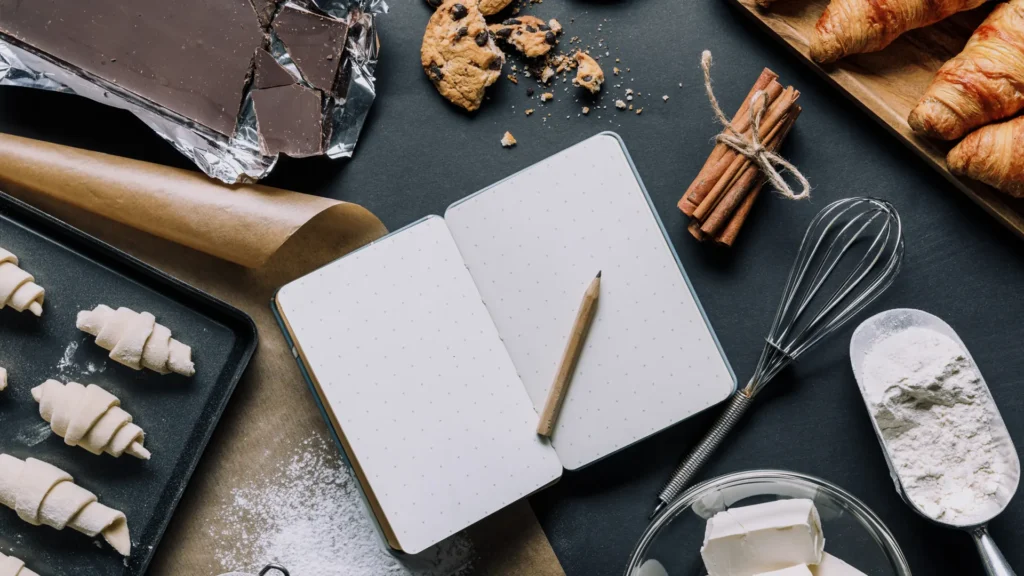
King Arthur Baking references checked October 22, 2026. The batch record is an editorial planning template, not a report of a Replicate Kitchen trial. Licensed stock photographs illustrate a baking workspace and a cookie pan; they aren’t labeled as comparison batches or evidence for a recipe change.
Found an error or an outdated detail? Send a correction for this article.