
Baking soda and baking powder can both help a batter rise, but they aren’t interchangeable spoon for spoon. If a recipe names one, the name matters as much as the quantity.
Before reaching for a substitute, check the ingredient list, the leavener’s label, and any substitution notes from the recipe’s author. A change that seems small in the measuring spoon can change the balance of the recipe.
What does baking soda need?
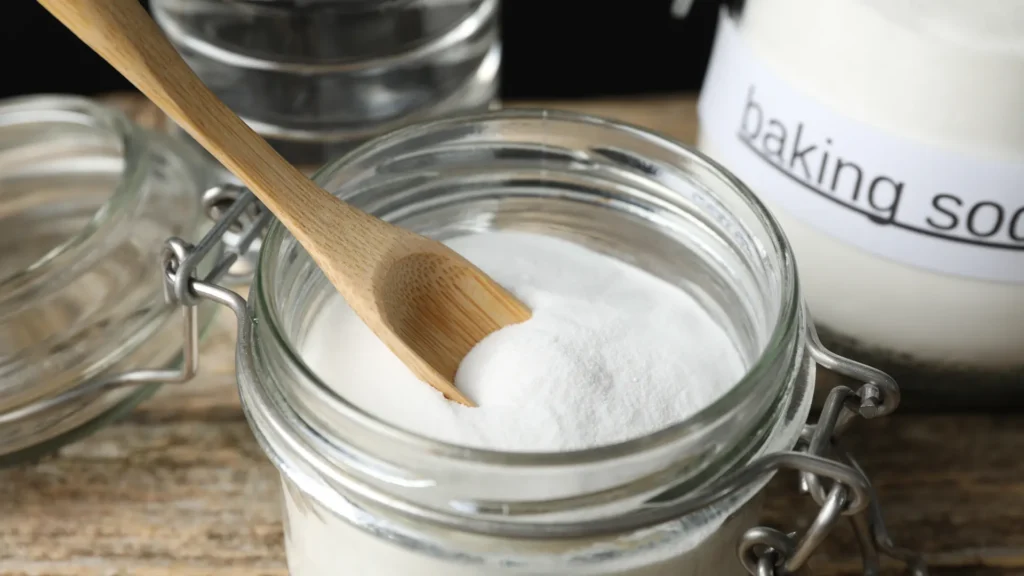
Baking soda is sodium bicarbonate. It reacts with an acid to release carbon dioxide, the gas involved in chemical leavening. NC State’s food-science explanation describes that reaction and notes that it begins promptly when soda meets an acid.
An acidic ingredient might be buttermilk, yogurt, or vinegar. That doesn’t mean a recipe containing one of those ingredients automatically needs extra soda. The recipe already specifies amounts and a method; identifying an acid isn’t a calculation of how much leavener to add.
If the instructions tell you to prepare the pan and preheat the oven first, do those jobs before mixing. Treat the sequence as part of the recipe rather than discovering, with a wet batter waiting, that the equipment isn’t ready.
What is already in baking powder?
Baking powder combines sodium bicarbonate with acidic ingredients, so it doesn’t depend on a separately added acidic food in the same way. Check the actual package for its ingredients and whether it is labeled double acting.
As NC State explains, double-acting powder releases gas at different stages, including a reaction in wet batter and another associated with heat. That timing is part of what distinguishes it from using baking soda alone.
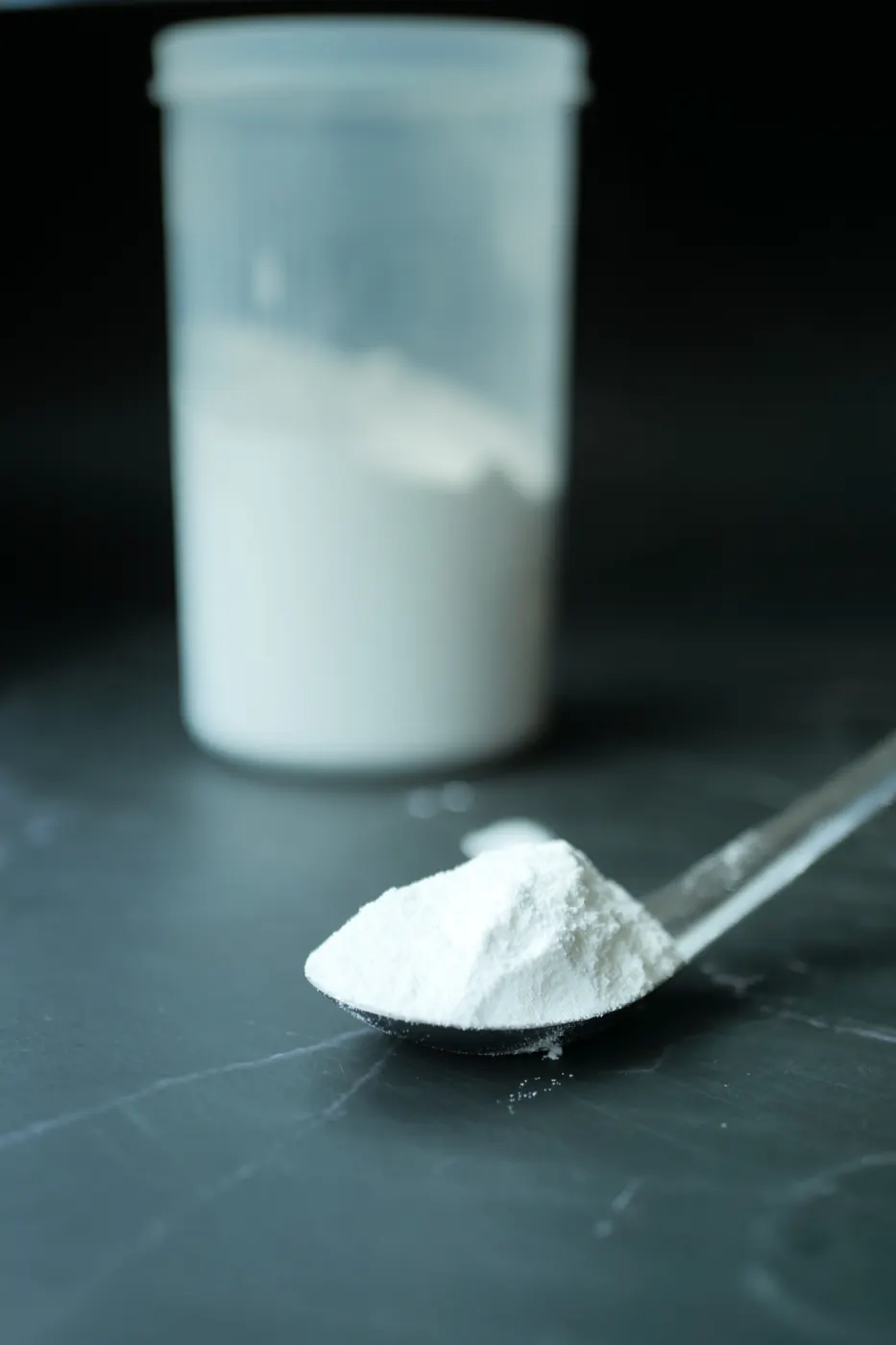
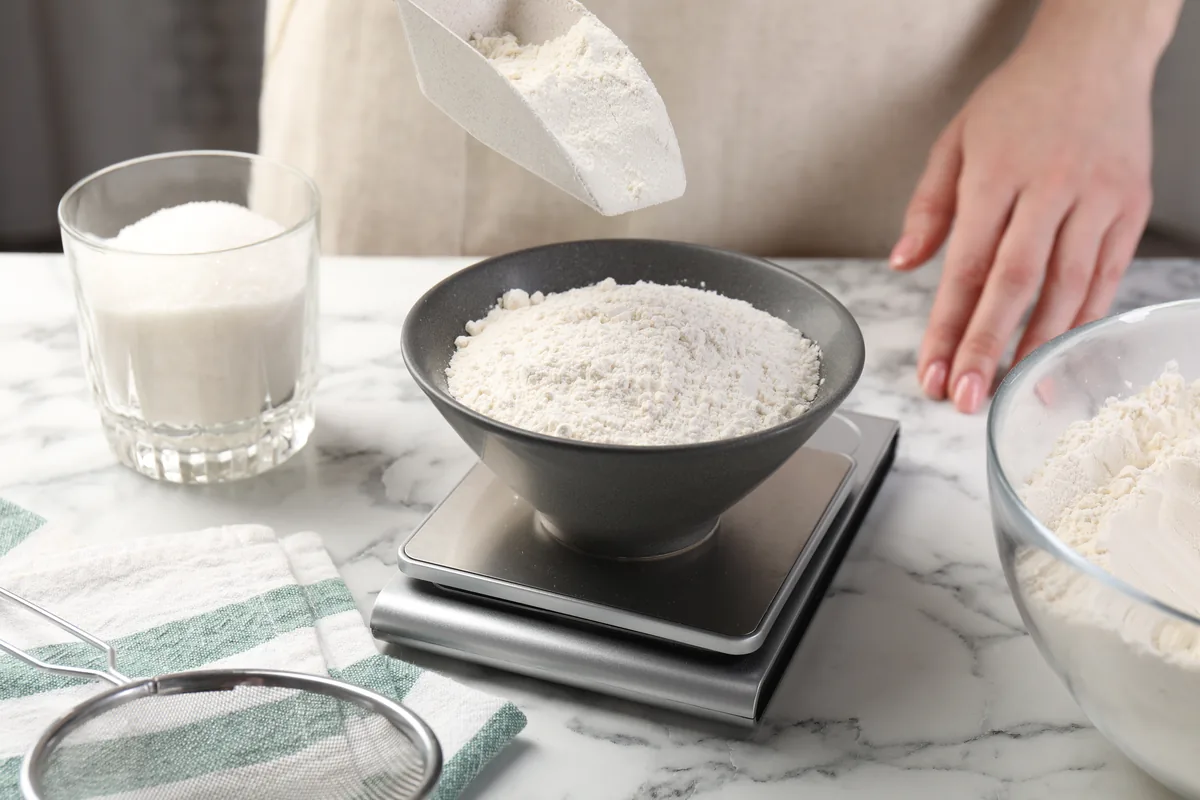
Two white powders can look alike in a bowl and still behave differently. Keep them in clearly identified containers, and read the name again while measuring. The photograph above illustrates a white powder and spoon; appearance alone cannot tell you which leavener is in an unmarked container.
Why would a recipe use both?
King Arthur Baking’s guide to baking soda and baking powder explains that a recipe can use soda to neutralize some acidity and contribute lift, while powder supplies additional leavening. Seeing both on the list isn’t evidence that the author duplicated an ingredient by mistake.
The acidic ingredient can matter for flavor as well as the reaction. Illinois Extension’s explanation also notes that adding more soda without enough acid can produce a metallic taste. “More rise” isn’t a sound reason to increase the amount on your own.
Can you substitute one for the other?
King Arthur cautions against equal-quantity swaps and explains that substitutions may not perform exactly like the original ingredient. Its linked guide gives specific options and their limitations. Read the complete guidance before deciding whether a change suits the recipe in front of you.
If you’re following a published recipe, look for the author’s own replacement instructions first. If there aren’t any, restocking the specified ingredient or choosing another recipe avoids turning the bake into an unplanned reformulation.
Don’t change the cocoa, liquid, and leavener together and expect to know which change caused the result. Even natural and Dutch-process cocoa differ in ways that can matter to a recipe’s leavening.
What should you record if you make a change?

Keep the original recipe beside your notes. Record the exact product, amount, replacement guidance, and any other changes you made. Leave space for what actually happens during the bake, rather than writing an expected outcome as though you’ve observed it.
A useful note can be brief: “Original calls for ___; used ___ following ___; other changes ___; result ___.” If you haven’t baked it yet, leave the result blank. Clear notes make the next decision easier, whether you repeat the change or return to the original.
Source note
This researched explanation uses the linked King Arthur Baking, NC State, and Illinois Extension references, checked October 21, 2026. It is not a tested substitution or a Replicate Kitchen recipe. Stock photographs illustrate ingredient measurement and note-taking.