
Match the chocolate to the recipe before choosing a percentage. A recipe that calls for unsweetened chocolate, one that melts a chopped bar into batter, and one that folds in chips are asking for different ingredients or forms.
The number on the wrapper is useful. It just isn’t a complete description of what you’re buying.
What the percentage includes
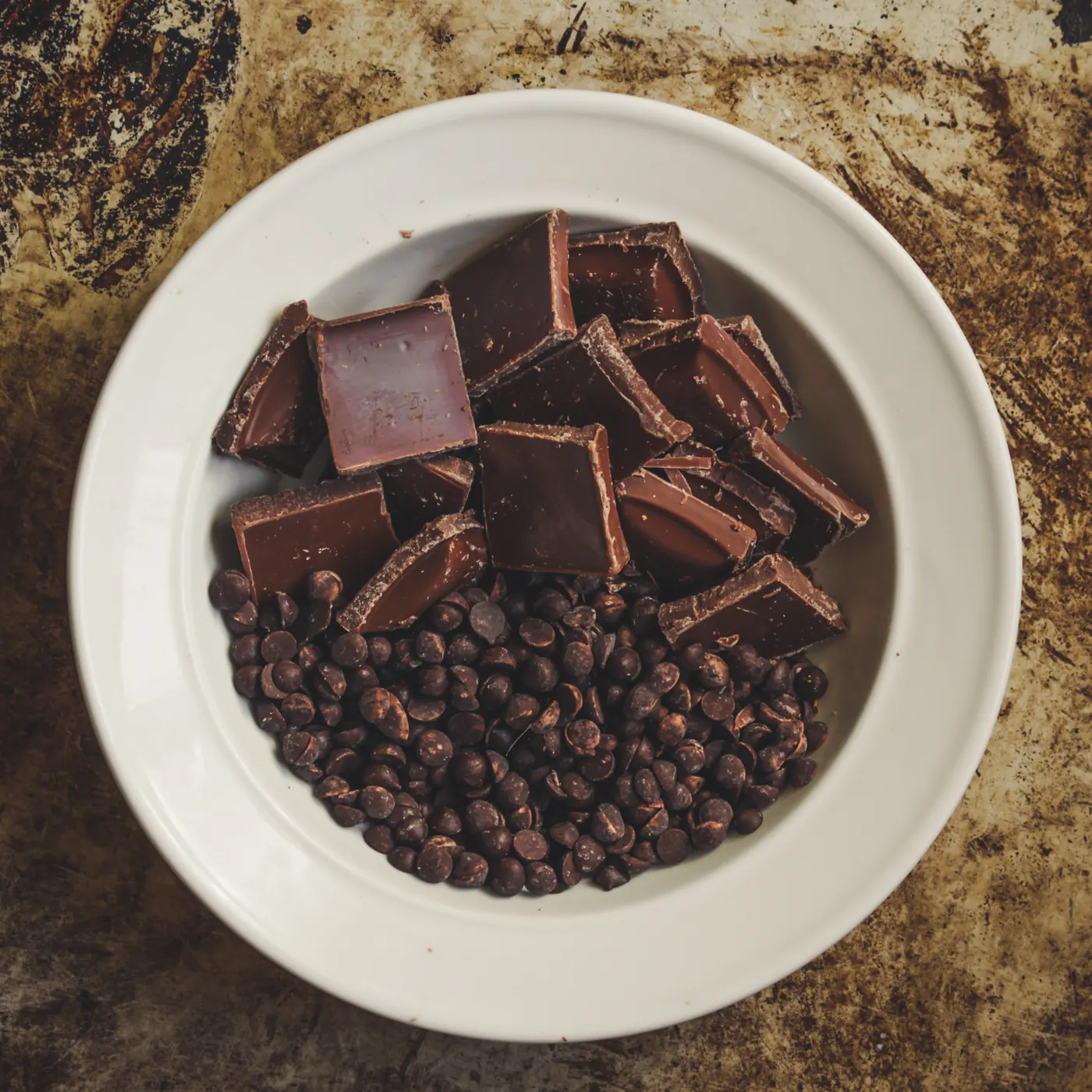
King Arthur Baking’s chocolate guide explains that the percentage represents the portion of the finished chocolate that comes from the cacao bean. That includes cocoa butter as well as the other cacao solids.
A 100-gram bar labeled 70% cacao therefore contains 70 grams of cacao-derived ingredients in total. It doesn’t tell you how that amount is divided between cocoa butter and the remaining cacao solids. Nor should you read the other 30 grams as an exact sugar figure without checking the product’s ingredients and nutrition label.
A higher percentage generally leaves less room for sugar and other ingredients. It isn’t, by itself, a quality score or a reason to choose that chocolate for every dessert. Start with the recipe’s specified type or percentage range, then compare products within that request.
The same word can cover different products
Consider one manufacturer’s current range. Guittard’s baking bars include a 64% semisweet bar, a 70% bittersweet bar, and a 100% unsweetened bar. Its baking chips include 46% semisweet chips and 55% extra semisweet chips.
Those are named product examples checked on October 22, 2026, not fixed percentages for the words semisweet and bittersweet across every brand. They also show why copying only “semisweet chocolate” into your recipe notes can leave out something useful. A bar and a bag of chips from the same maker may carry that word while listing different percentages.
Keep the brand, product, percentage, and form together when you find a combination you want to repeat. Photographing the package is easier than trying to reconstruct it from the color of the chocolate later.
Unsweetened doesn’t mean cocoa powder
In Guittard’s explanation of unsweetened chocolate, chocolate liquor, cacao mass, and 100% cacao are terms for chocolate made from ground cocoa beans. The article also explains why the fat content matters when using it in a dessert.
An unsweetened bar isn’t a bar with all its cocoa butter removed. Don’t replace it with the same weight of cocoa powder on the assumption that both labels say unsweetened. If a recipe requires a substitution, use guidance that addresses the actual ingredients and quantities in that recipe.
For a recipe that already specifies cocoa powder, the natural and Dutch-process cocoa guide addresses a separate label distinction. Resolve which ingredient the recipe needs before comparing percentages on the shopping shelf.
Check the form as well as the number
Guittard describes its baking chips as designed to hold their shape during baking. King Arthur cautions that swapping chips for chopped chocolate can change a recipe’s results because the formulations can differ.
That doesn’t make chips an inferior choice. They have a clear job in a recipe written for them. Read whether the chocolate will stay in pieces, melt into a mixture, or be used in another specified preparation, and buy the form the recipe requests.
Take four details to the store
Before shopping, write down:
- The chocolate type the recipe specifies, including whether it must be unsweetened.
- Any named product or cacao-percentage range.
- The form, such as chips, wafers, or a bar to chop.
- The required weight and how the chocolate is used in the method.
If the available product doesn’t match, check the recipe author’s substitution advice before changing the rest of the formula to compensate. A clear shopping note can save you from making several unplanned changes to a dessert you haven’t baked yet.
References
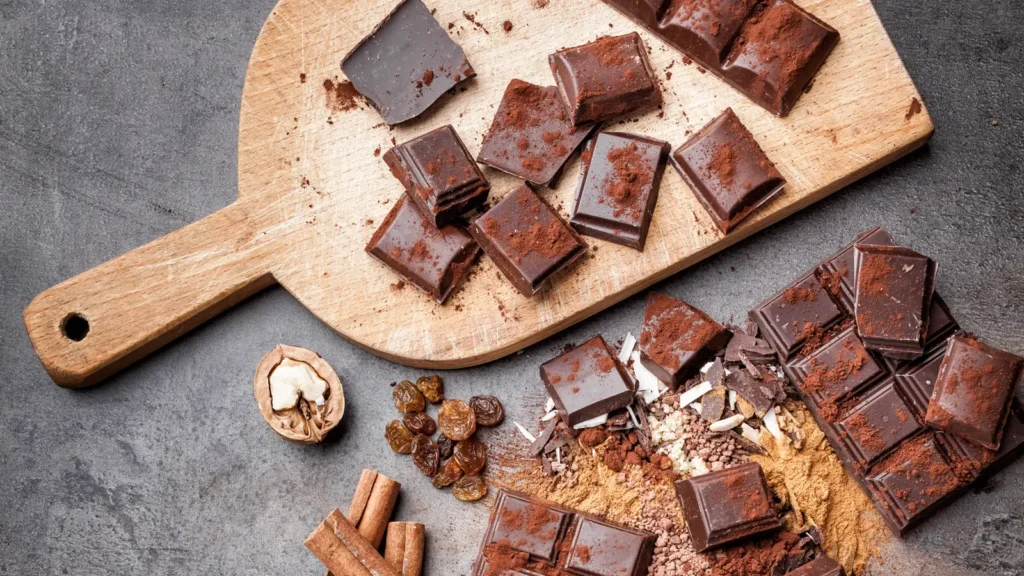
King Arthur Baking and Guittard sources checked October 22, 2026. Product examples reflect those listings at the time of review. This is a researched ingredient guide, not a Replicate Kitchen comparison of brands or finished desserts. Stock photos illustrate chocolate forms and recipe planning; they don’t establish the products’ cacao percentages.
Found an error or an outdated detail? Send a correction for this article.