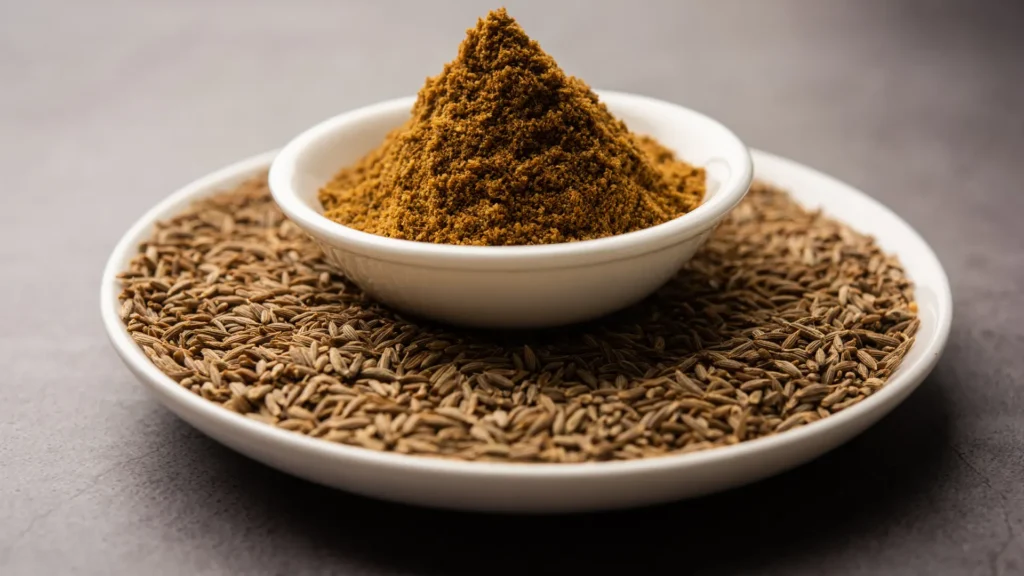

Choose the form of cumin for the step the recipe asks you to perform. Whole seeds give you the option to toast, fry, or grind them as directed. Ground cumin is ready to measure into a mixture. The shared name doesn’t make those preparation steps interchangeable.
Before reaching for a substitute, read past the ingredient list. The next verb often explains why the recipe chose that form.
Are the seeds staying whole or being ground?
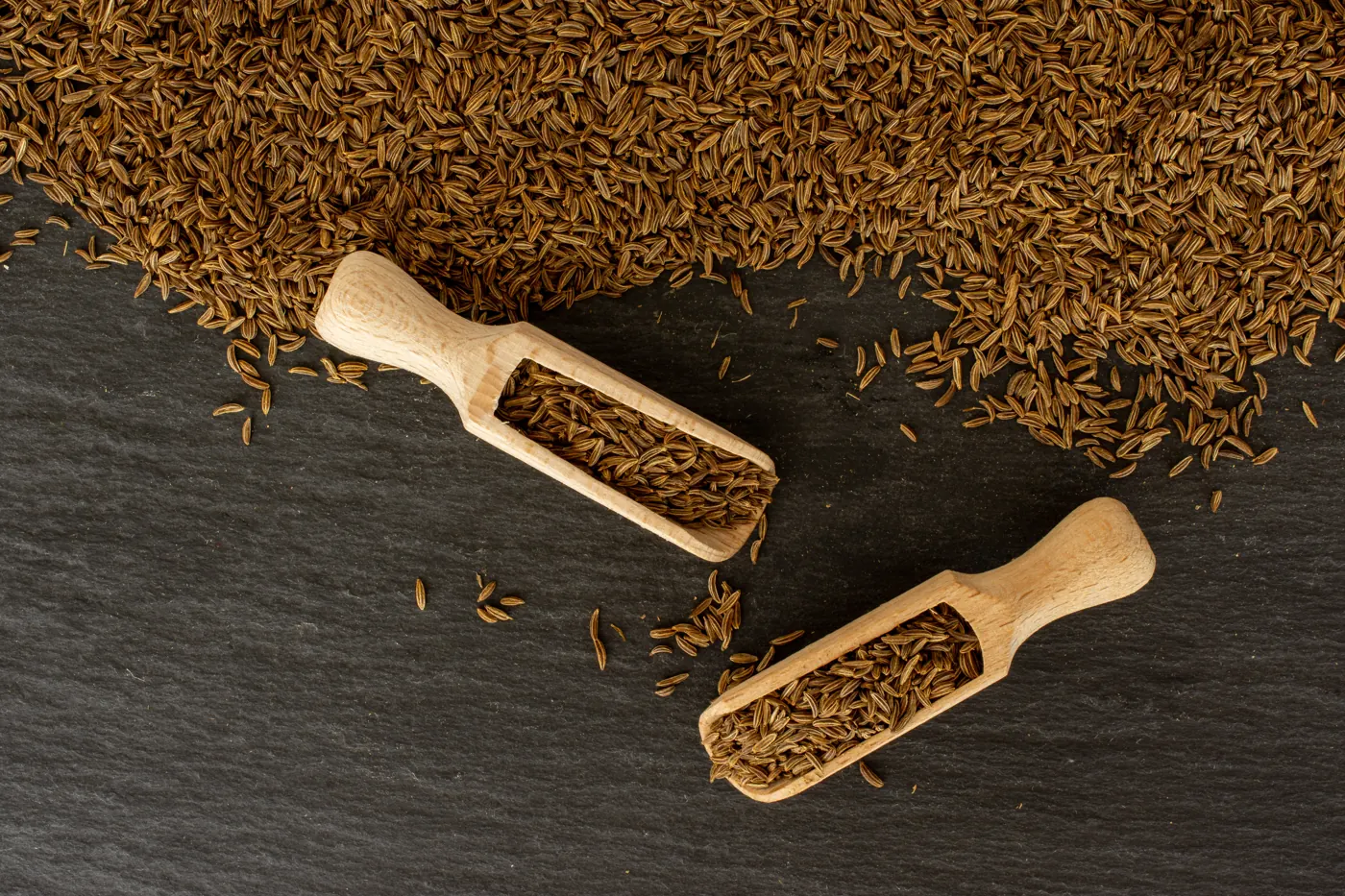
The Spice House’s cumin guide describes toasting whole seeds and using them directly on foods such as steamed rice or salads. It also discusses frying seeds in oil at the beginning of a recipe. Whole cumin is not always an ingredient waiting to be turned into powder.
If a recipe tells you to toast and then grind, keep those instructions together. If it tells you to add the seeds whole, don’t silently insert a grinding step. The intended texture and preparation are part of the recipe.
Use that recipe’s directions for heating and timing. “Whole cumin” by itself isn’t a complete toasting method, and a general conversion ratio won’t recreate an omitted preparation step.
Does the recipe need a ground spice in a mixture?
McCormick describes its Ground Cumin as ground from whole cumin seeds. Its published Smoky Hummus recipe, for example, specifies ground cumin among the ingredients blended in a food processor.
That is a concrete reason to keep the form specified by a recipe. Replacing the powder with whole seeds is a preparation change, even when a machine will eventually blend the mixture. Follow the source recipe first, or look for substitution guidance that addresses that particular use.
Pre-ground cumin is also a practical choice when the recipe already calls for it. You don’t need to turn every weeknight meal into a separate spice-grinding project. Choose the product and method you can use consistently.
Is the jar cumin or a seasoning blend?
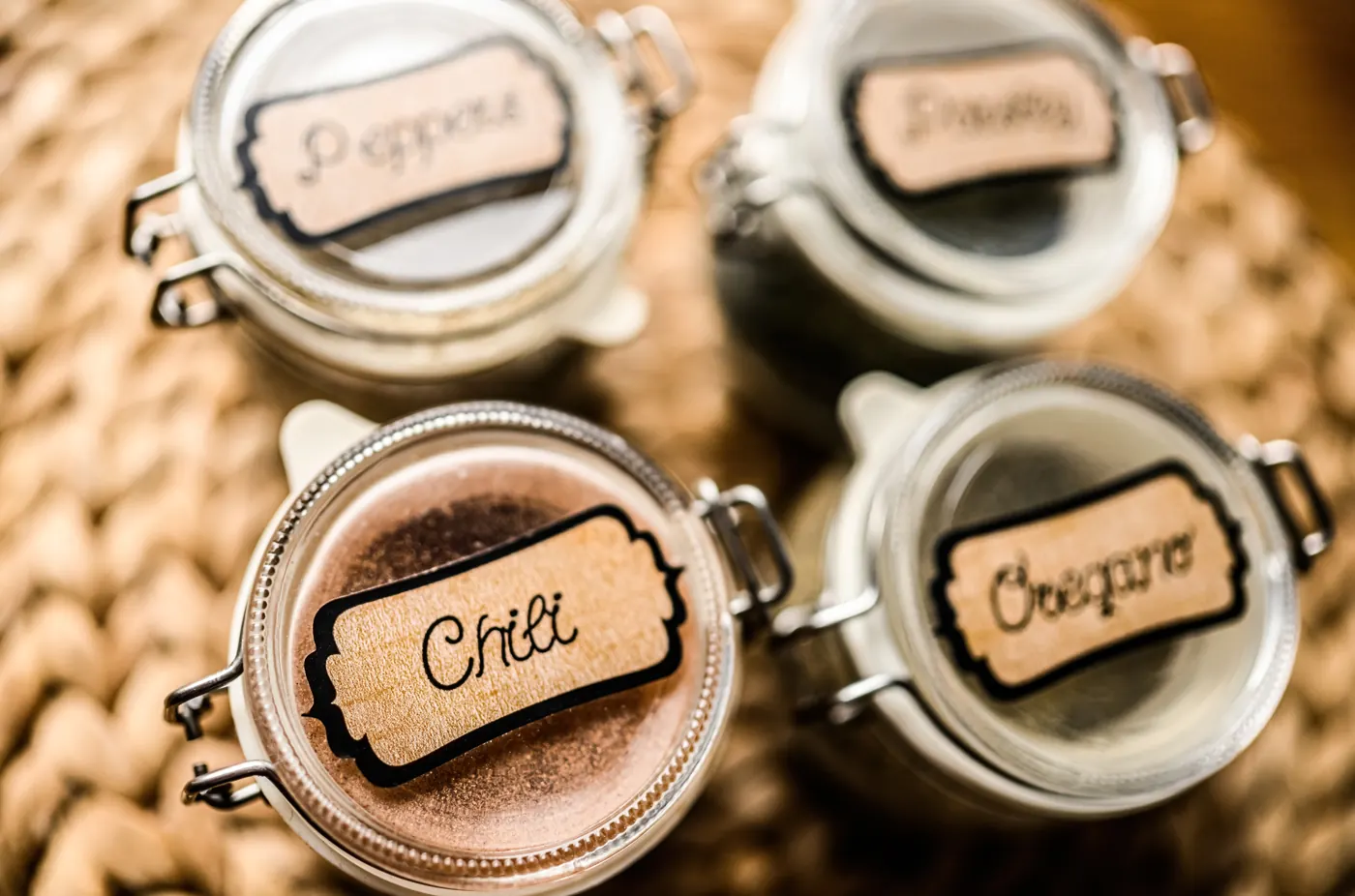
Check the ingredient list before using a commercial seasoning as a replacement. A blend containing cumin can bring other spices, salt, or additional ingredients into the dish. The word cumin in a product description doesn’t establish that the jar contains only cumin.
The seasoning-label guide explains how to read that distinction. Keep the amount of a blend separate from the amount of pure ground cumin a recipe requests.
For the next shop, let the recipes you actually cook decide whether you need seeds, ground cumin, or both. If they consistently ask for ground cumin, that jar has a clear job. If they call for whole seeds in a particular preparation, keep the seeds and the method together.
References
The Spice House and McCormick sources checked October 21, 2026. The hummus is an external recipe example, not a Replicate Kitchen test. Stock photographs illustrate whole and ground cumin and labeled seasonings; they do not show the cited recipe or establish a brand comparison.
Found an error or an outdated detail? Send a correction for this article.