
For a Maui whale-watching trip, choose the boat and booking terms as carefully as the departure time. An open raft, a larger vessel with indoor space, and a trip designed around photography offer different experiences even when they travel through the same waters.
Start with your group: how comfortably can everyone board, move around, sit, and spend time exposed to wind and spray? Then compare the operator’s current departure point, length, facilities, and cancellation conditions. A whale sighting is not something any itinerary can schedule on demand.
When to put it in the trip
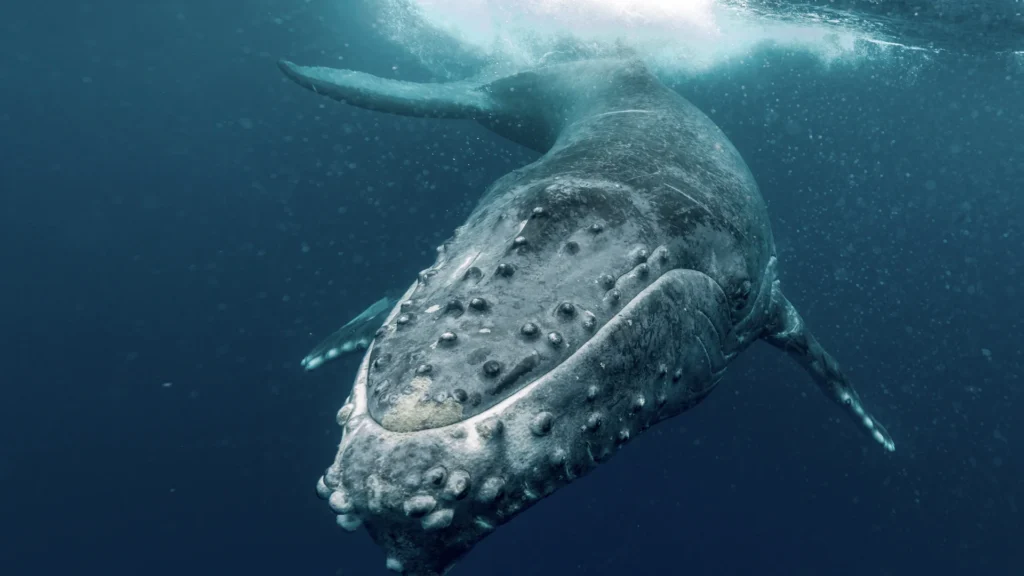
Humpback whales visit Hawaiian waters seasonally. Hawaii’s Division of State Parks describes January and February as peak months and identifies the waters between Maui, Lānaʻi, and Molokaʻi among the areas with high sighting concentrations.
That supports planning a winter whale-watching outing, but it does not establish what you will see on a particular departure. Whales move, weather affects operations, and one boat’s recent photographs do not promise the next trip’s behavior.
If this is a priority, place the excursion early enough in your stay that a rescheduling option would still be useful. Check that another departure could actually fit. “We can move it” has little value if the only alternative is after your flight home.
Larger vessel or smaller open boat?
Compare the physical experience rather than assuming smaller is better or larger is more comfortable in every respect. Look for a description of the actual vessel used on your departure, not just a photograph of the operator’s fleet.
A larger boat may offer more room to move, seating, shade, and toilets. Check those features explicitly. Find out whether there is indoor space and whether views remain useful from seated positions. If steps are difficult, ask for details of the boarding arrangement and access between decks.
A smaller open vessel can appeal to people who want a more exposed outing close to water level. It may involve different seating, boarding, mobility, or age requirements. Read those restrictions before paying, and ask the operator if the description leaves anything unclear.
The best fit is the boat on which your group can enjoy the whole trip, including travel between sightings. Do not choose an uncomfortable ride solely because its photographs look dramatic.
The departure harbor changes the day
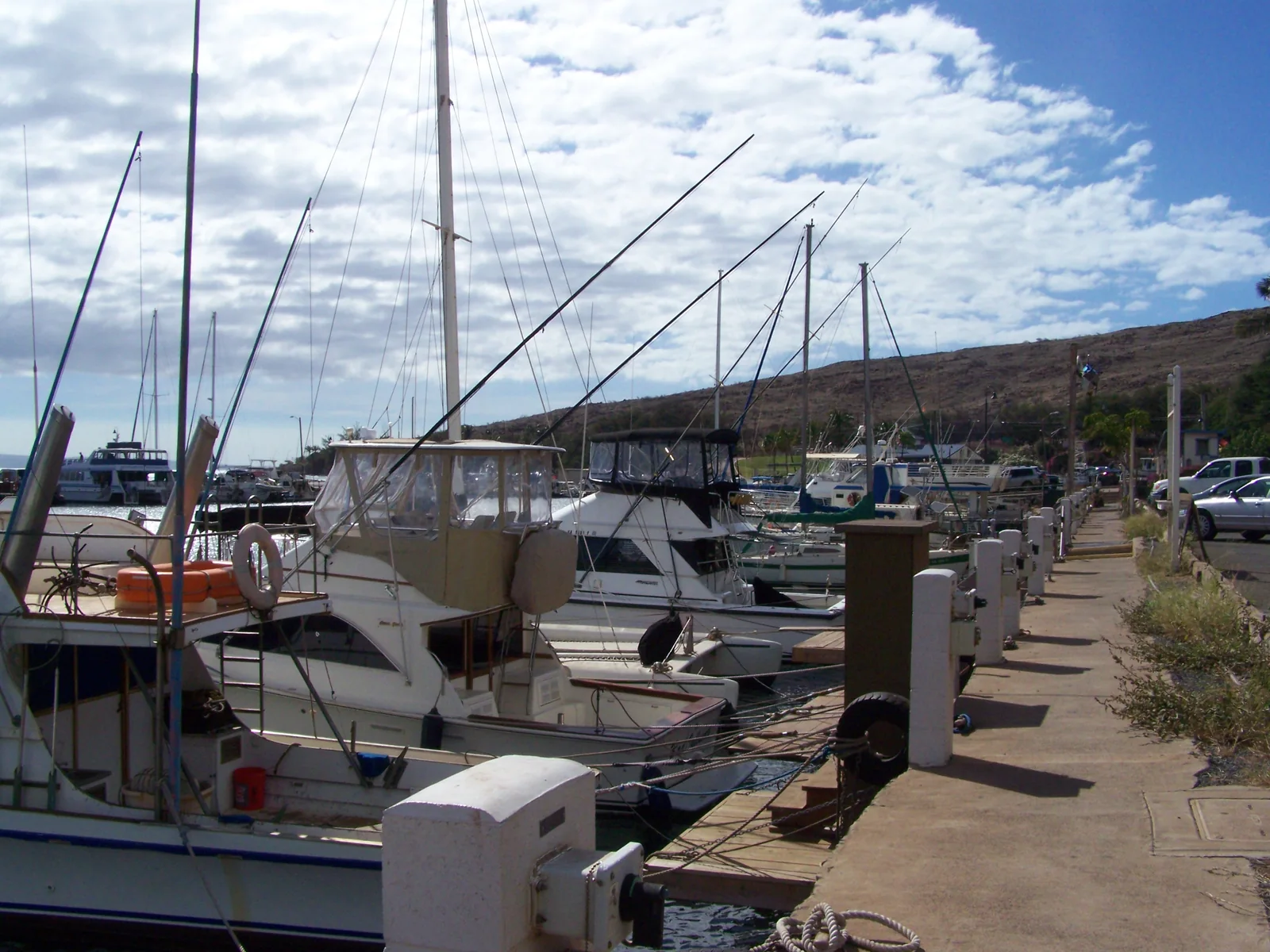
Confirm the actual meeting address and the time you must be there. “Maui whale watching” does not describe the drive from your accommodation, parking arrangement, or boarding procedure.
Check whether parking is included, where the operator expects you to leave the car, and how much walking separates parking from check-in. Build the morning backward from the requested check-in time, with room for a missed turn or a slow start.
If you do not have a car, ask whether any transfer is included and where it collects passengers. A hotel-area pickup can change the total value of an excursion even when its ticket price is higher. Conversely, a low fare that requires an expensive separate transfer may not be the cheaper outing.
Use current operator information for access. Harbor arrangements and departure points can change; old trip reports are useful context but should not direct you to a meeting place without confirmation.
What is included in the ticket?
Look beyond duration. Compare seating, toilets, shade, naturalist or guide commentary, refreshments, equipment restrictions, and the maximum group size where the operator provides it. Ask what the advertised duration measures: time on the water, the whole check-in-to-return period, or another definition.
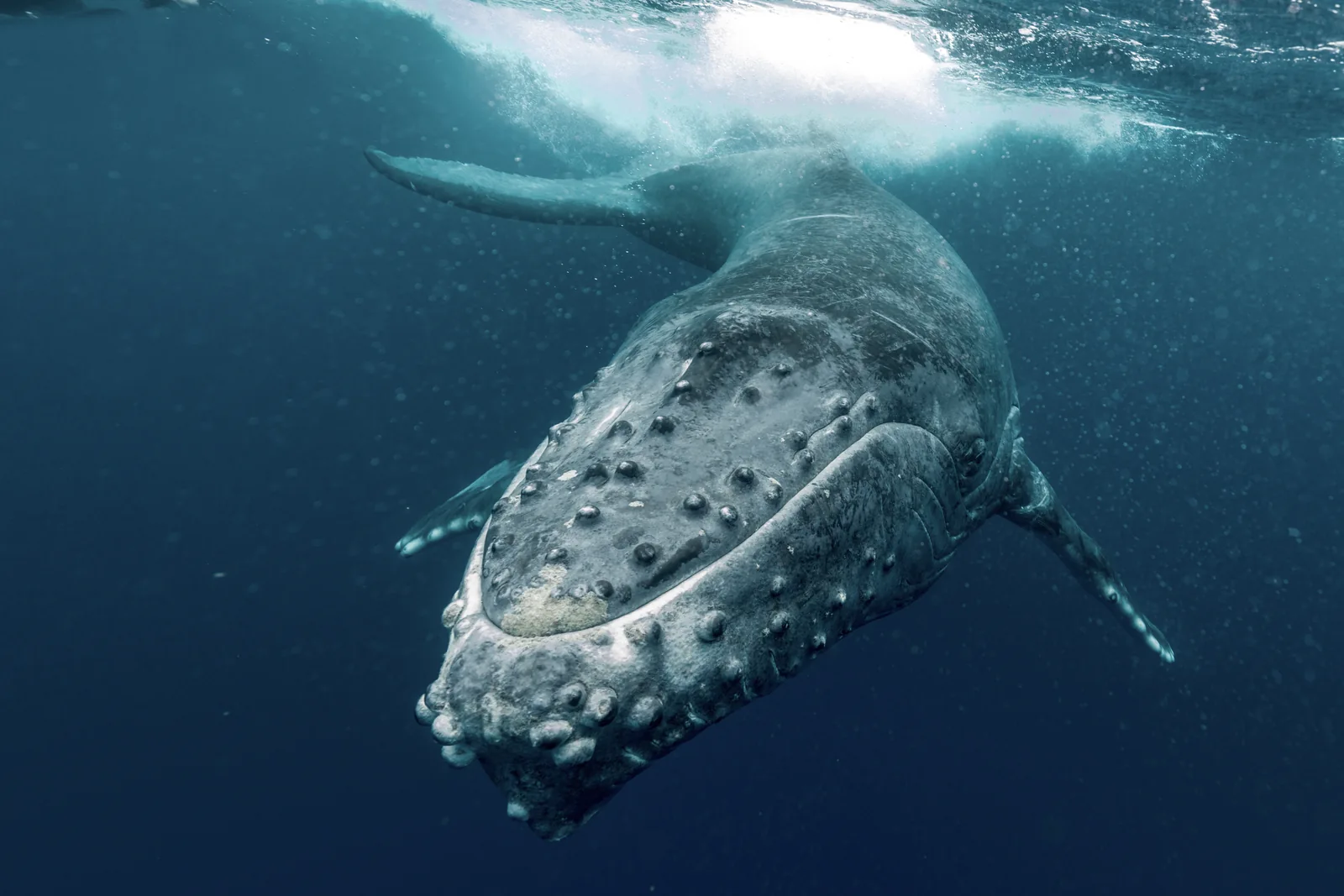
For photography, find out whether there is room to change position and whether the trip has restrictions on bags or equipment. A long lens is only useful if you can manage it comfortably on that boat. Keep your expectations realistic: stock photographs often represent exceptional moments rather than an ordinary sequence of sightings.
If an operator offers a sighting guarantee, read the remedy. It may be another trip rather than money back, and it may depend on availability. Check whether you could use that replacement before leaving Maui.

Distance rules matter more than the photograph
Use NOAA’s whale-viewing guidance to understand responsible viewing. In Hawaii, approaching humpback whales within 100 yards is prohibited. Choose an operator that explains its viewing practices and follows the applicable rules.
Do not select a trip because it promises that you will get closer than everyone else. Whales may approach a vessel, but that is different from an operator deliberately closing the distance. Let the crew manage the encounter and follow their instructions about moving around the boat.
The useful outcome is time observing the animals without turning proximity into a competition. Breaching, tail slaps, and close passes are possibilities, not things you have purchased.
Read the cancellation policy in both directions
There are two separate questions: what happens if you cancel, and what happens if the operator cancels. Save both answers with the booking.
Check the cutoff, time zone, refund arrangement, and any difference between booking directly and through a reseller. Ask how a weather cancellation is communicated and whether the first alternative is a refund, another departure, or a credit.
If the boat still operates but you decide not to go, the operator’s cancellation terms may apply. Do not treat an unsettled forecast as automatic permission for a refund. Clarify the arrangement before booking if that flexibility matters to you.
Pack for the boat you chose
Bring sun protection, a layer for wind, and only the bag the operator permits. Keep essential items secured and follow the vessel’s footwear instructions. If motion is a concern, ask the operator about the expected ride and seek appropriate personal advice before departure rather than relying on a boat-size guarantee.

Choose an outing that leaves the rest of the day manageable. A short afternoon near your accommodation may fit better than a second major drive immediately after the boat.
For trip context, browse Replicate the Magic’s Travel guides. This guide is researched rather than a review of a particular Maui operator. We have not assigned an endorsement or a “best boat” label without a direct comparison.
Sources checked October 21, 2026. Verify the vessel, departure location, restrictions, and terms for your booking.
Related planning
Read Hawaii in December or January? Choose by the Trip You Want for the next planning decision.
Found an error or an outdated detail? Send a correction for this article.