

December and January both offer a winter trip to Hawaii, but they do not offer the same calendar. December can put holiday celebrations at the center of the visit. January can let you build a trip after those holidays, with winter ocean conditions and whale watching still relevant. Neither month guarantees dry days, quiet beaches, or the lowest room rate.
The most useful comparison is between your actual dates, island, and hotel base. A late-December stay and a mid-January stay may differ more in price and atmosphere than two dates on opposite sides of New Year’s Day.
The short decision
Choose December if Christmas or New Year’s in Hawaii is part of the experience you want and you are comfortable arranging the important pieces early. Choose January if your dates are flexible and the trip is mainly about the islands rather than the holiday itself.
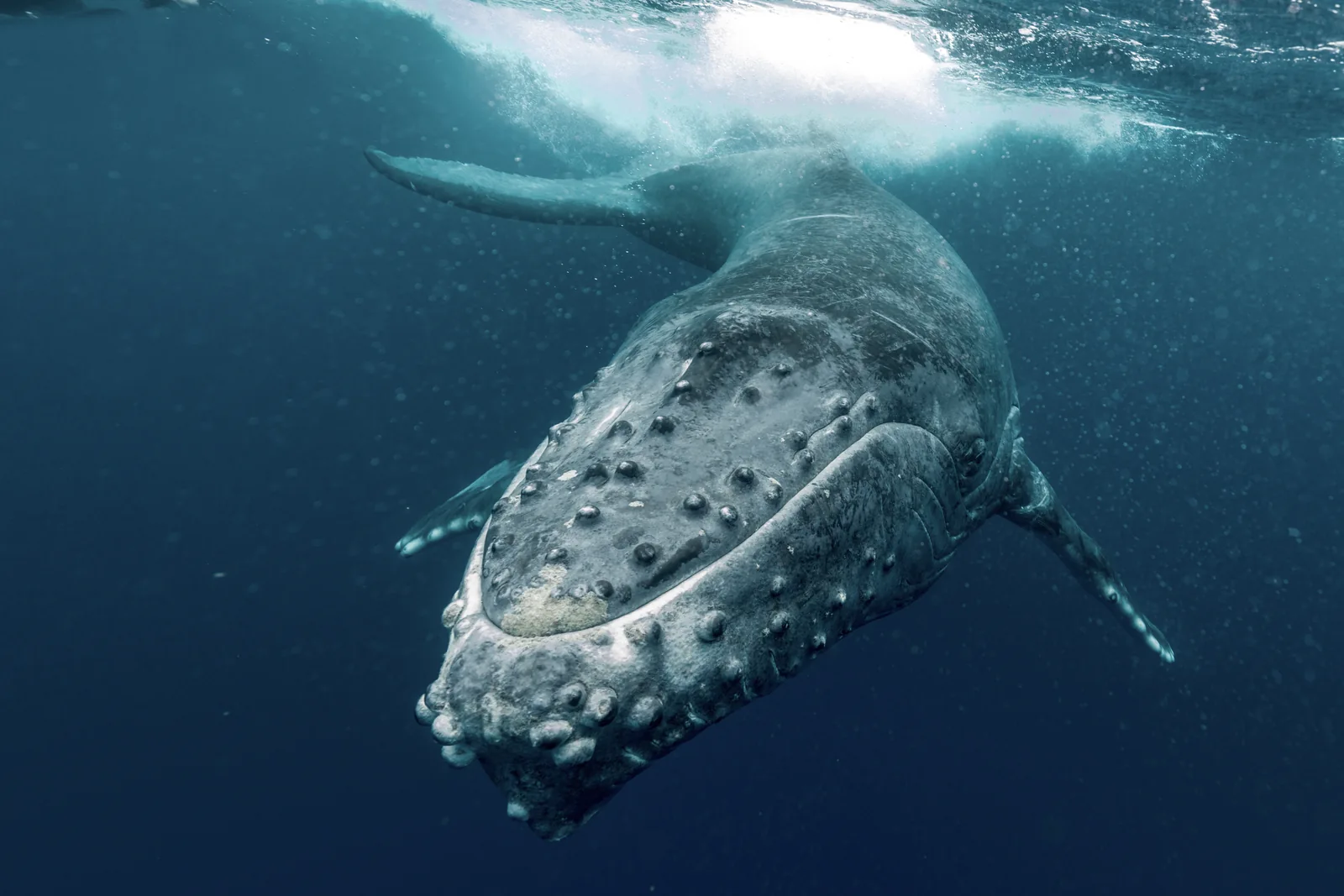
If whale watching is a major priority, January deserves a close look. Hawaii’s Division of State Parks identifies January and February as peak humpback-whale months. That is a seasonal pattern, not a promise that a particular boat trip will see whales.

December: decide how much the holiday matters
A December booking can be a beach trip with decorations in the background or a holiday trip built around special meals and events. Decide which one you mean before comparing hotels. Paying more for a festive week is easier to evaluate when the atmosphere is something you actually value.
Check the hotel’s own holiday program rather than assuming every property offers the same experience. A decorated lobby does not establish that a meal, performance, or children’s activity is included in the room price. Check what requires a separate reservation and whether cancellation rules differ from those for the room.
If your dates include December 24 or 25, verify attraction and restaurant hours individually. Some cultural institutions close for the holiday. Do not place the one indoor visit you most want to make on a day it is not operating, then hope to fit it into an already full itinerary later.
For celebrations, Go Hawaii’s winter guide is a useful starting point. Follow through to the organizer before relying on a specific date or program.
January: compare the week, not the reputation
January is not one uninterrupted low-price window. New Year’s travel, holiday weekends, major events, room availability, and the island you choose can all affect the booking you see. Compare full-stay totals for several workable date pairs instead of assuming that moving the trip into January automatically saves money.
Make the comparison at the same standard. Use the same guest count, room type, parking needs, and cancellation terms. If the January option removes two nights from the trip, its lower total does not prove the nightly price is better.
A quieter-looking calendar can also let you change the pace. You might choose fewer prepaid activities and leave a movable day for the coast, a museum, or a boat trip. That flexibility has practical value even if the hotel bill barely changes.
Winter weather belongs in both plans
The National Weather Service’s Hawaii climate summary explains why winter brings more frequent rainstorms and why terrain creates large weather differences over short distances. A forecast for Honolulu does not describe every coast or elevation on Oahu, much less every Hawaiian island.
Do not build the trip around the expectation that rain always passes in a few minutes. Some days call for moving an activity; others call for a different plan altogether. Keep one or two indoor options that interest you, and check current conditions before setting out.
A useful daily structure is one priority activity, one optional stop, and some uncommitted time. If the boat excursion moves, you have somewhere to put it. If the weather is pleasant, you can enjoy it without canceling a series of indoor bookings.
Choose the island and base before comparing beaches
Oahu works well for a trip that combines Honolulu’s cultural attractions with coast days. Our eight-day Oahu itinerary from Waikiki shows how one base can support several different kinds of day. It is a firsthand trip record, not a forecast for your winter dates.

Maui is worth considering when whales are a major reason for the trip, but the boat departure point and your accommodation still matter. Compare the whole drive and check-in arrangement, especially for an early departure. A promising excursion on the other side of the island is not automatically the most convenient choice.
For a trip centered on another island, start with that island’s priorities. Do not add an interisland flight solely because a list suggests another beach. Every move uses packing time, airport time, transport, and part of a day that could have been spent where you already are.
Do not copy a summer beach plan
Winter can change the ocean outing even when the air feels comfortably warm. North-facing shores can receive substantial surf. A photograph of a calm summer snorkeling spot says little about conditions when you arrive.
Check Hawaii’s ocean-safety resources, read posted warnings, and ask lifeguards about the beach that day. A sightseeing day and a swimming day do not need to be the same plan. You can enjoy a coast without making water entry the measure of whether the visit worked.
This matters when choosing a hotel, too. If the trip only feels successful when you can swim at the beach immediately outside your room every day, investigate alternatives before booking. A convenient pool, nearby activities, or another suitable beach may matter more than a room photograph suggests.
A comparison that produces a useful answer
Price two complete versions of the trip. Include the flight, lodging total, ground transport, parking, planned activities, and any holiday meal you care about. Keep a separate note for cancellation deadlines and the amount committed before departure.
Then write one sentence describing what you gain by choosing the more expensive version. “Christmas dinner at the hotel and travel during the school break” is a clear reason. “December is supposed to be better” is not.

If the months cost roughly the same, choose the calendar that gives you the activities and pace you want. If the difference is substantial, decide what else that money could buy: another night, a preferred room, or simply a lower trip total. Compare refundable and nonrefundable room terms as separate offers, and keep the exact cancellation deadline with the booking.
The better month is the one whose tradeoffs fit the trip. Hawaii in winter is still Hawaii, with real weather, operating hours, travel time, and choices attached.
Sources checked October 21, 2026. This comparison is researched planning guidance; current forecasts, availability, and booking terms should be checked for your dates.
Found an error or an outdated detail? Send a correction for this article.