

The Paris Museum Pass can make sense when the visits you already want cost more separately and fit comfortably within its validity period. It becomes less convincing when you add museums to justify the purchase or assume the pass removes the need for reservations.
Winter can make indoor sightseeing appealing, but it does not remove weekly closures, holiday closures, or the limits of your attention. Price the itinerary you would enjoy, then compare the pass.
Understand the clock first
The official Paris Museum Pass site describes validity in consecutive hours from the first use: 48, 96, or 144 hours depending on the product. The clock does not pause when you take a slow morning, find a museum closed, or spend a day shopping.
That matters when choosing the first visit. A late-afternoon activation can be sensible if it suits the next few days, but it does not manufacture extra opening hours. Sketch the actual visits before deciding when to start.

Reservations remain a separate step
Check the pass operator’s reservation instructions. Some included sites require a timed reservation. Buying the pass is not the same as holding the Louvre slot you want.
Read each museum’s current process and choose the appropriate pass-holder option. If your priority slot is unavailable, solve that problem before committing to a schedule built around it. A pass cannot make a fully booked reservation appear.
Also distinguish permanent collections from temporary exhibitions and other ticketed offerings. Check whether the exact exhibition or part of a site you want is covered. A museum appearing on the list does not establish that every experience inside it is included.
Build a real list, not a maximum list
Write down the museums and monuments you would visit even without the pass. Put the likely day and time beside each one. Include travel, lunch, security, and a realistic amount of time inside.
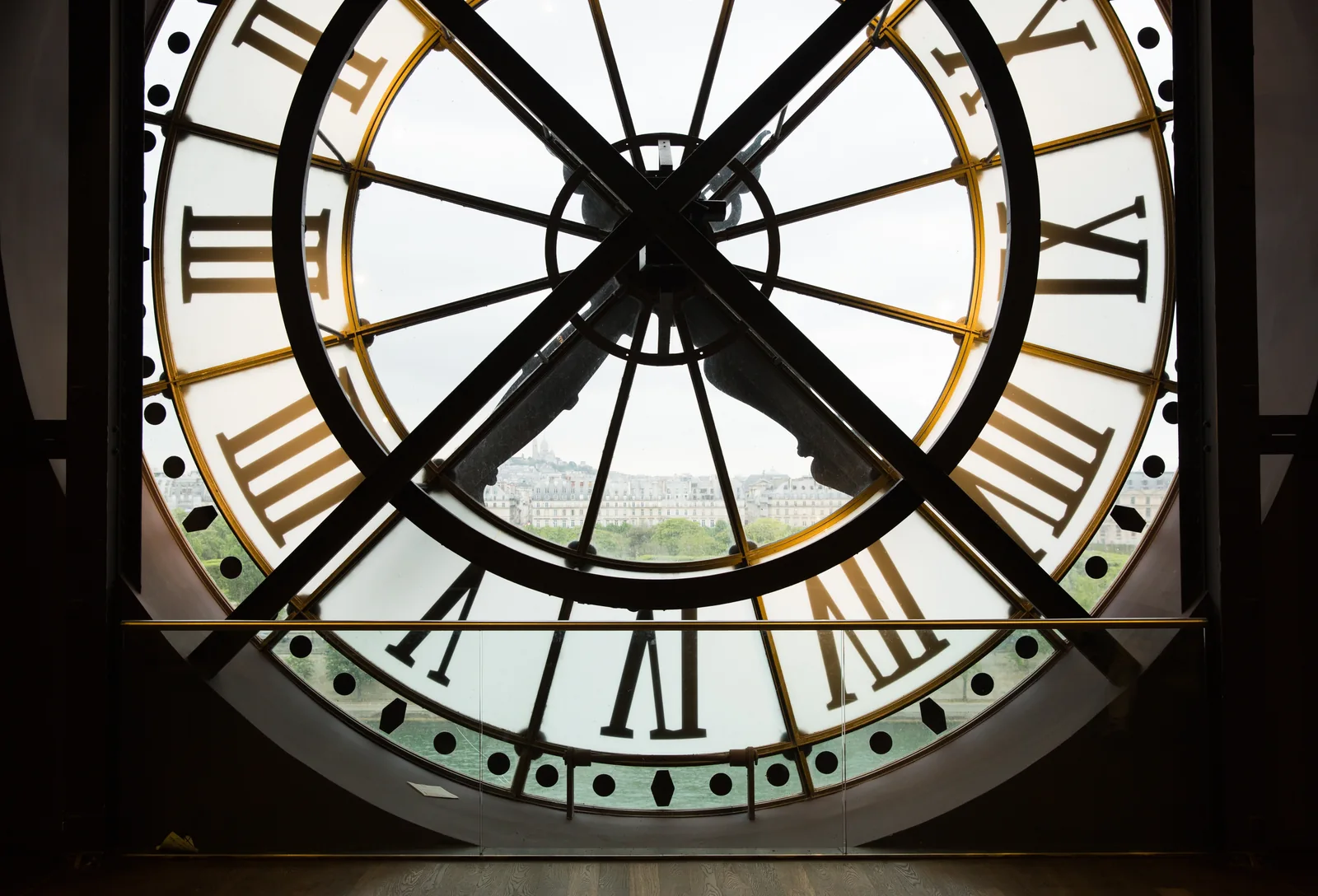
Then check the Louvre’s calendar and Musée d’Orsay’s calendar. Their weekly closure days differ, and holiday closures matter. Do not place a major closed-day visit in the middle of a consecutive-hour pass and count it as useful access.
For a short stay, one substantial museum visit a day may be plenty. A list that becomes profitable only at three major visits every day deserves skepticism, particularly if your group includes different interests or energy levels.
Compare individual eligibility
Check the current ticket price for each traveler. Age, residency, and other eligibility can change whether someone needs a paid ticket. Do not buy the same pass for everyone merely because the adults are visiting together.
Verify the documentation required for any concession or free entry. Treat an eligibility claim on a forum as a prompt to check the museum’s official page, not as the rule itself.
Avoid copying an old price table. Use the current official prices for the travel dates and visitor category you are comparing. Keep a note of when you checked them.
A worked example without invented ticket prices
Suppose the individual admission total for the covered visits you actually want is €120, and the suitable pass costs €105. The apparent saving is €15. Those are illustrative numbers, not a quote or the current price of a specific itinerary.
Now suppose you remove a €20 visit because it makes the day too full. The individual total becomes €100, so the pass costs €5 more. Adding the visit back only to recover the saving reverses the purpose of the comparison.

The same logic applies to a longer pass. More validity can be useful, but only if it covers visits you want and can fit. Divide neither product by an imaginary number of full sightseeing days.
When individual tickets may be better

Buy separately when you want only a small number of covered visits, need a slower pace, or expect to spread museums across nonconsecutive days. It can also be simpler when your priority is a special exhibition or attraction outside the pass.
The pass may fit when several confirmed covered visits line up within the validity period, the individual total is higher, and everyone understands the reservation process. The benefit should survive removing one optional stop.
Keep the calculation beside the itinerary. If a reservation changes or a museum becomes unavailable, update the comparison before buying. A pass is a ticket product, not a reason to change what you enjoy doing.
For broader trip context, see our Europe update and Travel guides.
Sources checked October 21, 2026. Recheck prices, eligibility, included sites, and reservation rules before purchase.
Related planning
Read Three Days in Paris in Winter, With Room to Warm Up for the next planning decision.
Read Is a Seine Cruise Worth It in Winter? Choose the Boat Before the Ticket for the next planning decision.
Found an error or an outdated detail? Send a correction for this article.