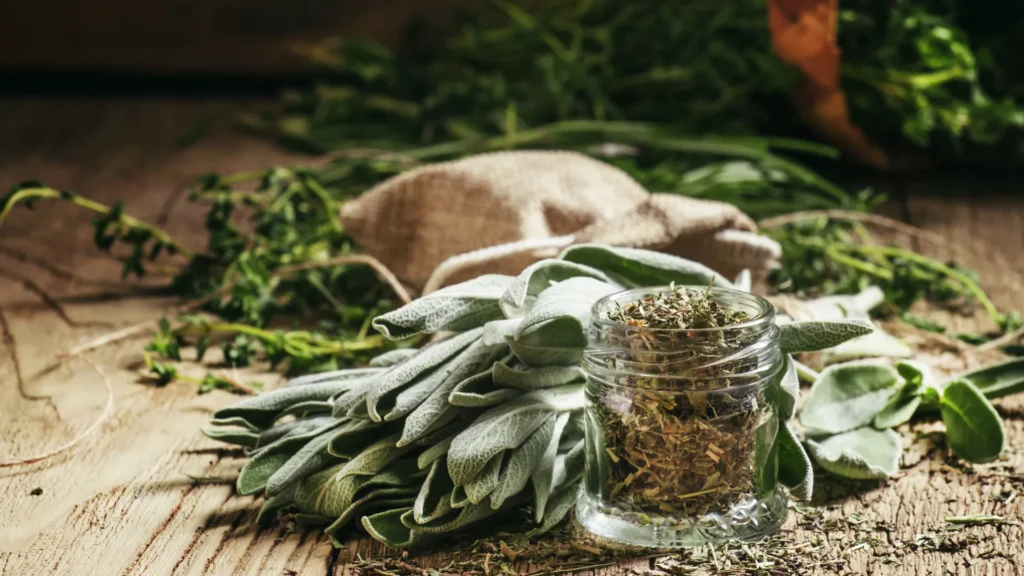

Dried herbs work well when a dish gives them time to soften and spread their flavor. Fresh herbs are often the better choice when green leaves, soft texture, or a fresh finishing aroma are part of the result. Substitution depends on the herb and the dish, not just a smaller measurement.
Look at what the herb is supposed to do
Dried thyme or oregano can fit naturally into a soup or tomato sauce where it has time to hydrate and disperse. Fresh parsley or chives scattered at the end has a different job: green appearance, fresh flavor, and a soft texture. Replacing that garnish with the same volume of dried leaves does not reproduce the result.
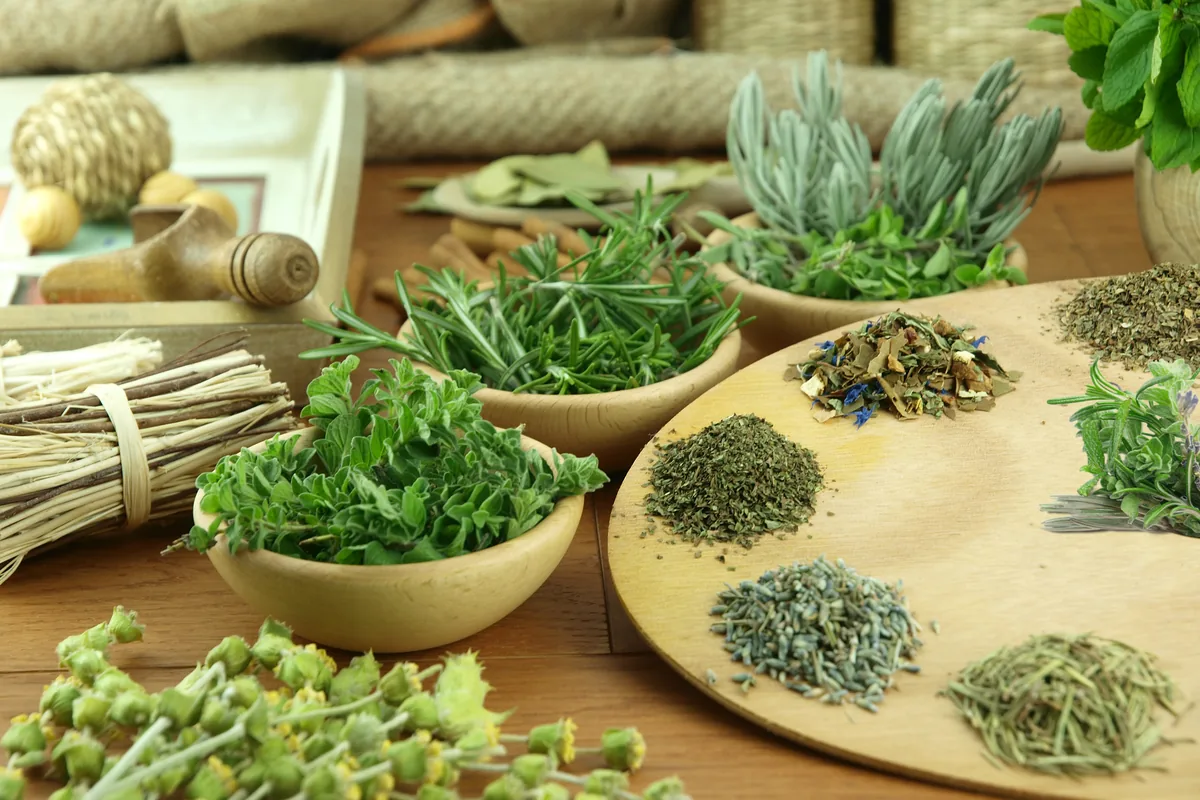
Some herbs are particularly sensitive to handling and drying. The National Center for Home Food Preservation distinguishes tender leafy herbs from sturdier types and explains how moisture must be removed without inviting mold. That guidance is about preservation, not a universal recipe substitution ratio.
University of Minnesota Extension’s herb guide distinguishes delicate finishing herbs from sturdier herbs used during cooking. For the preservation side of the question, see the National Center for Home Food Preservation’s drying guidance.
A better substitution process
First ask whether you are changing only the flavor contribution or also the structure and appearance of the dish. If a recipe is primarily a herb salad or a fresh herb sauce, find a recipe designed for the dried form rather than forcing the swap. If the herb is a modest seasoning in a cooked dish, begin conservatively, allow time to distribute, and adjust against the recipe’s intended profile.
Compare by weight when precision matters, not by loosely packed cup versus a small spoon of dried leaves. Keep in mind that different suppliers cut and dry leaves differently.
What belongs in a recipe note
Record the actual form and amount used. Do not silently rewrite a recipe tested with fresh dill as though dried dill had produced the same outcome. The useful result is a clear method that another cook can follow under the same conditions.
Can dried herbs replace fresh?
In a cooked soup or sauce, a smaller amount of dried leaves may be a reasonable starting point. Use the recipe’s conversion when available, allow the leaves to soften, and taste before adding more. For pesto, a herb salad, or a generous garnish, fresh leaves provide much of the volume and texture. Dried herbs cannot replace that structure.
Sources
- University of Minnesota Extension: cooking with herbs
- National Center for Home Food Preservation: drying herbs
Related guides
Found an error or an outdated detail? Send a correction for this article.