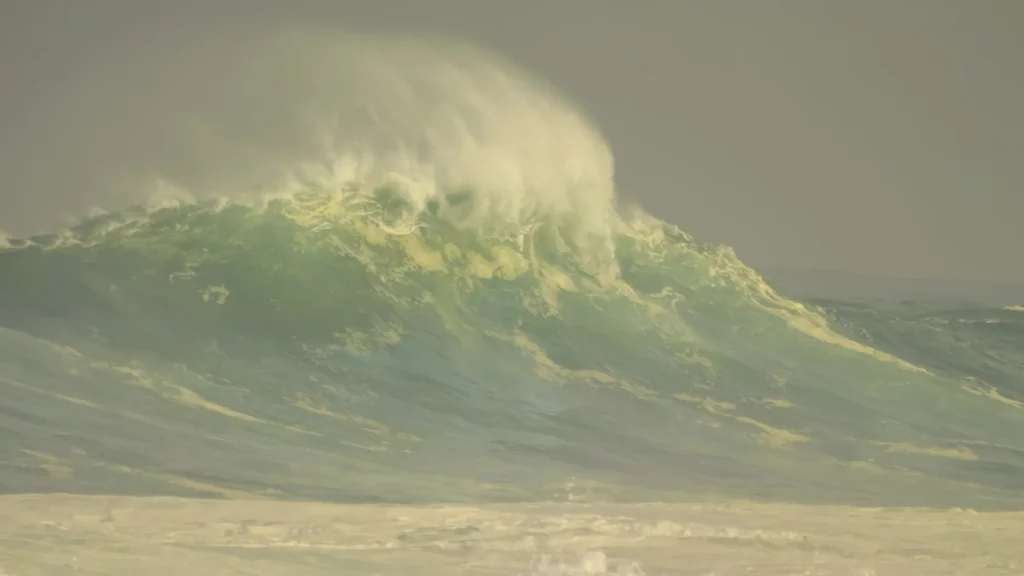

An Oahu North Shore day in winter should begin with the coast you have that day, not a photograph of calm summer water. Treat the drive or bus journey as a sightseeing outing with food and town time. Add a beach stop only when current access and conditions make it appropriate.
That approach leaves room to enjoy the landscape without making swimming or snorkeling the condition for a successful day.
Check conditions before choosing stops
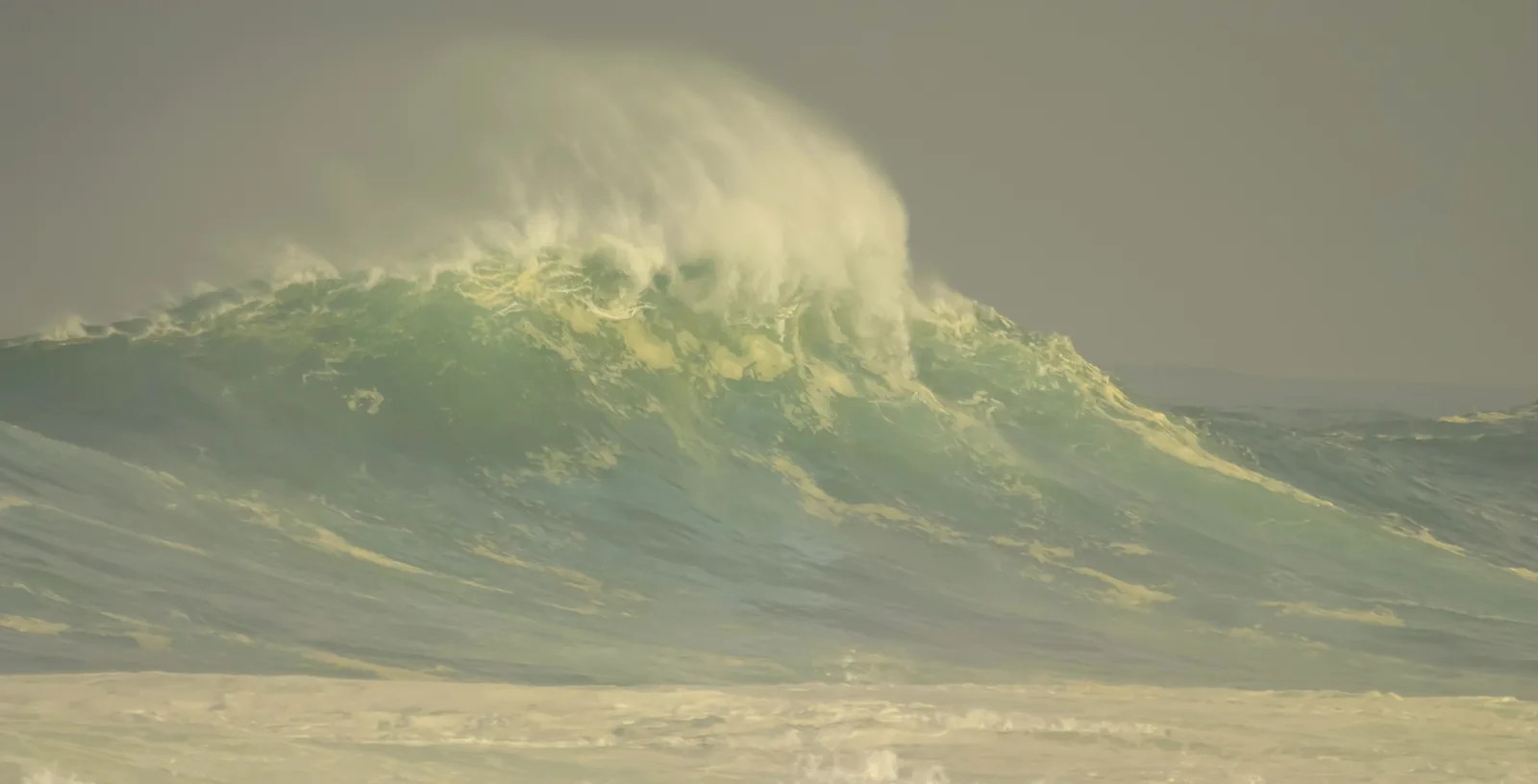
Go Hawaii’s weather information describes winter swells on north-facing shores. The timing and effect of a particular swell require a current forecast, not a seasonal generalization.
Use Hawaii’s ocean-safety resources and the National Weather Service before setting out. Read posted warnings and ask lifeguards about the beach you are visiting. A place recommended for summer snorkeling should not automatically remain on a winter water-activity list.
Make road and access conditions part of the same check. If a closure, warning, or event changes the day, choose another plan rather than treating the original route as something you must complete.
Make Haleʻiwa a real stop
Give Haleʻiwa time for the meal, shop, or short walk you actually want. Check individual opening hours and decide whether you need a reservation. A town stop works better as part of the day than as a rushed food errand between several beaches.
If you are traveling with different interests, agree on a meeting point and enough time for everyone’s priority. Shopping, looking around, and waiting for a meal can use more time than the driving distance suggests.
Keep parking legal and use designated places. Do not plan an itinerary around stopping beside every attractive view. The right place to stop is one where access is permitted and you can leave the vehicle without creating a problem.
Choose a small number of coastal viewpoints
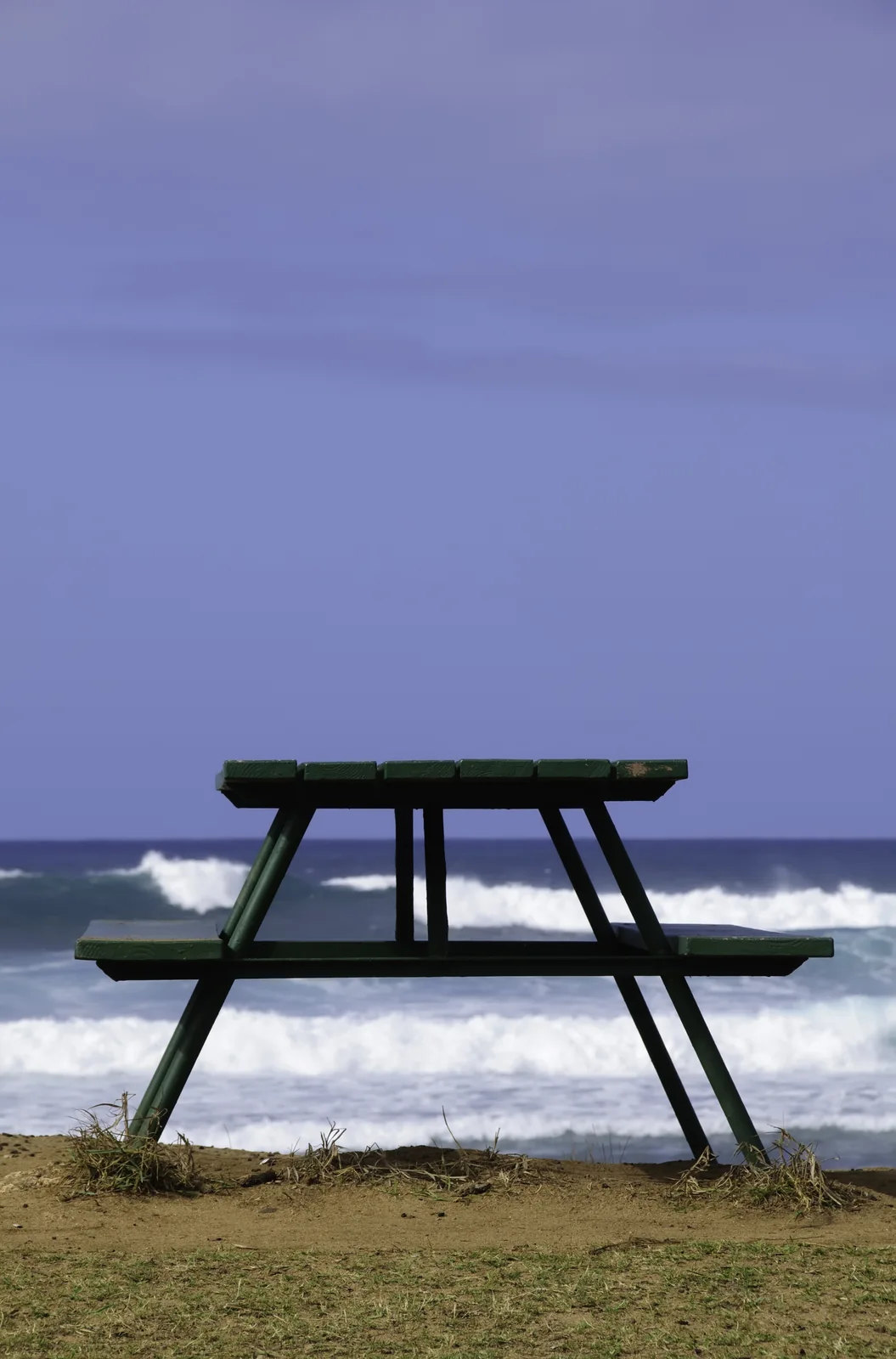
Pick one or two places that fit current conditions and access rather than trying to stop at every named beach. The point is to have time to look at the water and landscape from a suitable position, not produce the longest checklist.
Stay back from the water as directed and follow any closures. A dramatic view does not require moving toward the wash for a photograph. Do not assume a position is appropriate simply because other visitors are standing there.
Surf competitions can change parking, traffic, and the atmosphere around a stop. If attending an event is the goal, verify its current information. If it is not, consider whether the event makes that location less suitable for the quiet day you intended.
Decide between a car day and a bus day
A rental car can make it easier to adjust stops, but it adds driving, parking, and the need to return it under the rental terms. The bus removes that task while making the timetable, stops, and total journey time more important.
Use TheBus’s official route information for your date, and check where you can board for the return. Do not arrive at the coast with only the outward journey saved. Include waiting, transfers, and walking in the day, especially if you plan to stay until late afternoon.
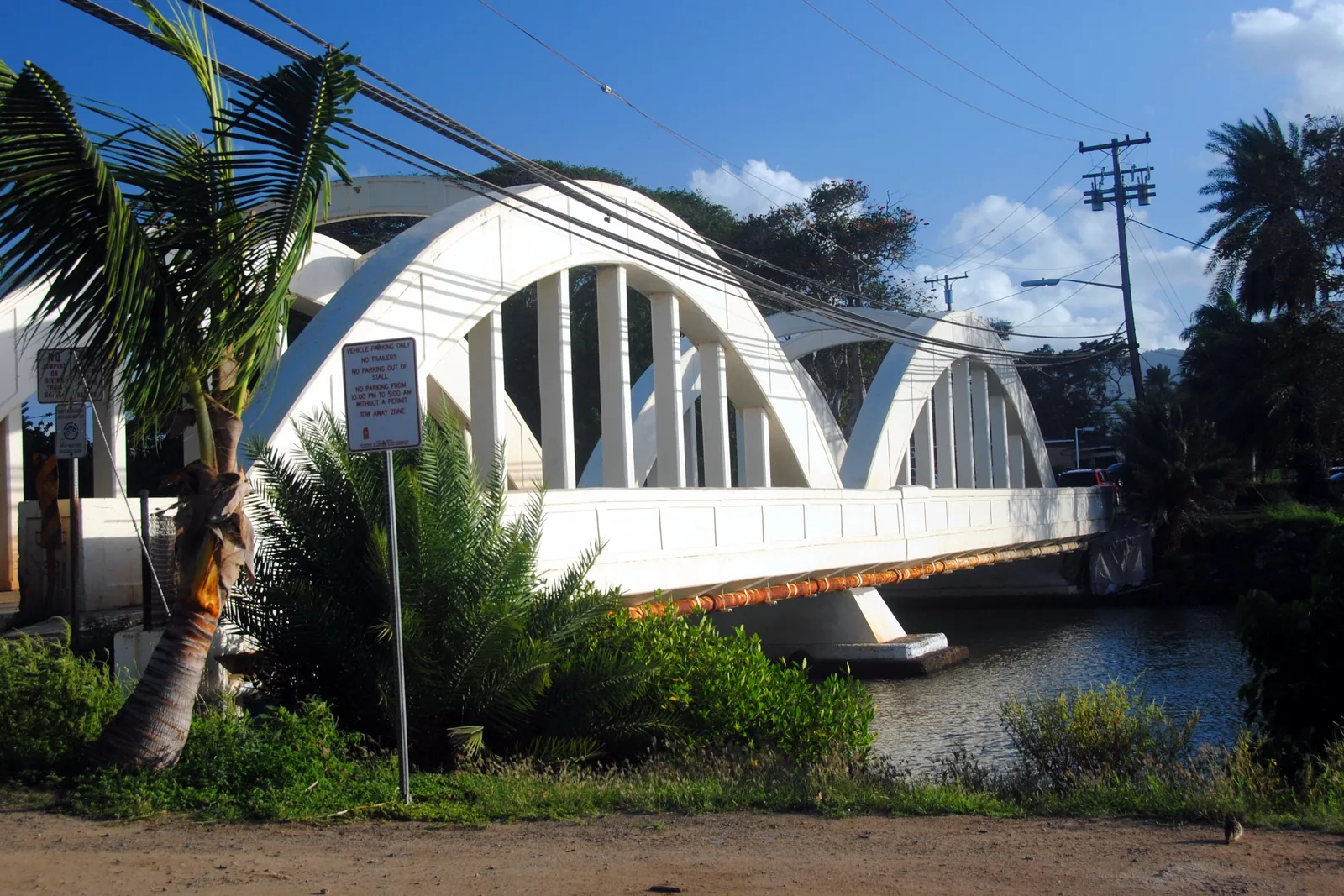
Our eight-day Oahu trip from Waikiki provides firsthand context for using one base. This winter plan is a separate researched framework and does not turn those previous conditions into a forecast.
A sample day with room to change
Begin with a current conditions check. Travel to Haleʻiwa for a planned meal or browse, then make a limited coastal outing if access remains suitable. Leave enough time to return without depending on the last practical connection or driving when everyone is exhausted.
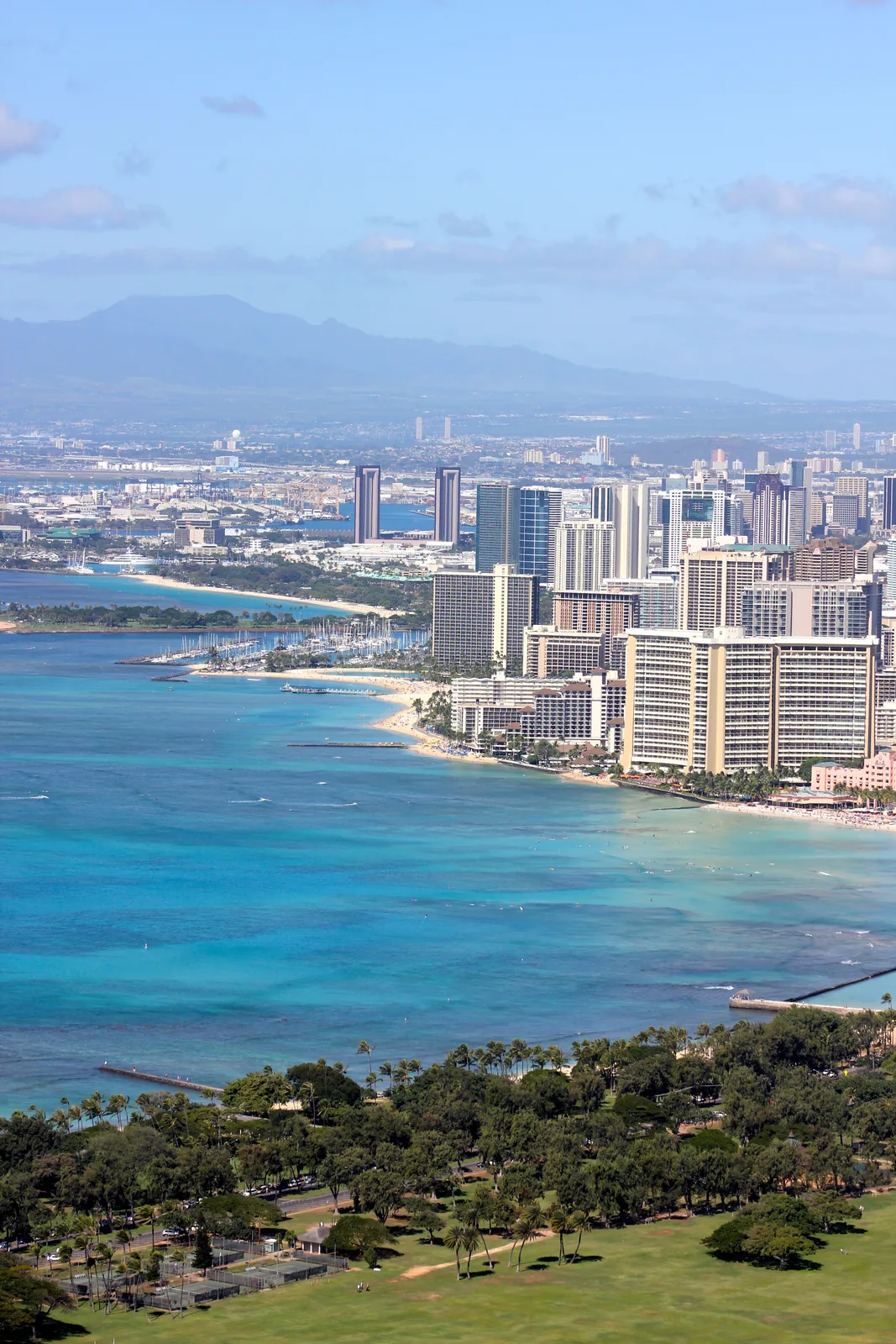
This is a sequence, not a timed route we have tested. The order can reverse around a reservation, traffic, or the forecast. Avoid setting an exact schedule from generic map estimates and treating every stop as compulsory.
If swimming is the main priority, choose the day’s location according to lifeguard advice and conditions. The North Shore sightseeing day can happen separately. Combining them is optional, not the definition of doing Oahu correctly.
Keep an alternative that interests you
If the coast is not the right outing, use a cultural visit, a meal, or a closer day near your base. Check the venue’s hours before changing direction. A useful alternative is something you want to do, not simply another long drive.
Winter is a reason to plan the North Shore differently, not a reason to force a dramatic story onto the trip. A good meal, a comfortable look at the coast, and time to notice the town can be enough.
Sources checked October 21, 2026. Recheck road access, weather, ocean conditions, events, and transport before travel.
Related planning
Read Oahu Rainy-Day Plans: 7 Alternatives to Waiting in Your Hotel for the next planning decision.
Read Hawaii in December or January? Choose by the Trip You Want for the next planning decision.
Found an error or an outdated detail? Send a correction for this article.