

Destination planning guide with official National Park Service references.
Disclosure: This article is not sponsored. National Park Service photographs are individually credited.
For a first winter visit to Grand Canyon, build the trip around the South Rim and leave room for weather to change the day. The South Rim stays open year-round, but snow, ice, fog, and temporary road closures can affect what you can reach. A compact plan with a second chance at the view is more useful than a long list of overlooks.
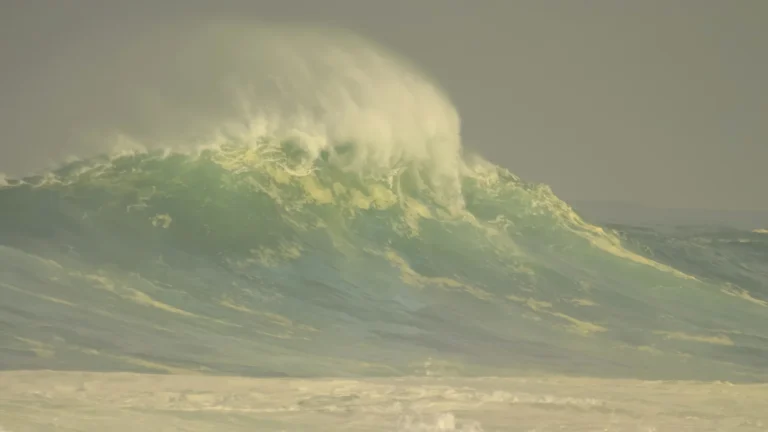
The photographs explain the appeal: bright rock against snow, clouds moving through the canyon, and warm light catching a formation below the rim. Those conditions also explain the practical choices. You will want suitable footwear, a realistic driving plan, and a warm place to pause between outdoor stops.
Choose the South Rim, then check the actual entrance
The National Park Service’s planning overview identifies the South Rim as the year-round visitor area. This guide concentrates on Grand Canyon Village and nearby South Rim viewpoints. It is a sightseeing plan, with optional short walks, rather than an itinerary to hike into or across the canyon.
Use the South Rim driving directions and official maps before choosing accommodation. Confirm which entrance your navigation app is using and compare that route with current road conditions. Do not assume a place with Grand Canyon in its name is close to the village.
The North Rim has its own seasonal access and recovery restrictions. Check its current status page if it interests you, but do not treat it as an easy winter substitute. Also check the separate destination and travel time if you are considering the Skywalk; it is not a stop in this South Rim village itinerary.
One day can work; an overnight gives the weather another chance
For a day visit, protect the daylight you have. Count the approach drive, entrance, parking, meals, and return journey before allocating time to viewpoints. A day that looks short on a map can become demanding when the roads are icy or the light fades early.
For an overnight, compare a room in or near the village with the actual drive you would make before sunrise or after sunset. Check the park’s lodging directory for the relevant operators and booking arrangements. A nearby bed is valuable if it reduces a winter drive you would otherwise make in darkness.
An overnight also lets you look again if fog hides the canyon on arrival. The NPS winter guide specifically notes that a multi-day visit gives more opportunity to experience changing conditions. Extra time improves flexibility; it does not guarantee a clear sunrise.

A manageable first day on the South Rim
- Check roads and forecast before leaving. Decide whether your intended approach and stops still make sense.
- Start near the visitor center and Mather Point. Get oriented, check the walking surface, and enjoy the first view without immediately committing to a long walk.
- Choose one additional area. Use the current shuttle map to compare Yavapai Geology Museum, village stops, or a viewpoint on a running route.
- Take a warm break. Match a meal or indoor stop to actual opening hours instead of assuming every service keeps summer hours.
- Choose the afternoon from conditions. Return to a favorite view, take a short suitable rim walk, or use an open scenic road. Leave enough time for the journey back.
This is a suggested sequence, not a promise that every stop will operate on your date. The visitor center page and restaurants and groceries directory are useful checks before committing the day to a particular building or meal.
Check the shuttle season before planning the route
South Rim shuttles are included with park admission, but routes and schedules change seasonally. Read the current shuttle information for your dates. Do not carry a summer departure time into a winter plan, and note that service may be suspended in bad weather.
The Village route connects visitor facilities, while the Kaibab Rim route serves viewpoints and the South Kaibab Trailhead. Use the published stops and direction of travel to choose a practical out-and-back. Seeing a stop on a map is not enough to establish the last return time.
Hermit Road needs particular attention. The official route page says the road normally opens to private vehicles under 22 feet in total length during December, January, and February, subject to weather closures. From March through November, access works differently, with the shuttle and other permitted options. Check the date before deciding to drive west from the village.
For accessibility, the shuttle page describes ramps and wheelchair spaces, along with vehicle-size limitations. Consult the accessibility guide for your specific needs. Snow and ice can change the practical usability of an otherwise accessible outdoor route.

Choose a short rim walk that matches the surface
Winter sightseeing does not require descending below the rim. Start with a short section where you can assess the footing, the distance, and the return. Follow signs and barriers, and give the edge room, especially where ice or snow makes the surface uncertain.
The NPS winter guide recommends over-the-shoe traction devices and trekking poles for icy footpaths and trails. Bring footwear suitable for the conditions, warm layers, a hat, and gloves. Equipment helps, but it does not make every path appropriate for every visitor.
Do not use the warmth of a sunny viewpoint to judge a shaded trail. If the footing or visibility is poor, shorten the walk and choose another way to spend the time. You do not need to reach a distant landmark to have a worthwhile visit.

Treat an inner-canyon hike as a separate plan
A walk down a canyon trail introduces a different set of decisions: the climb back, ice, daylight, water availability, closures, and your group’s ability. It should not be an impulsive extension of a viewpoint visit.
Read the park’s critical hiking updates before considering any below-rim route. At the time of writing, significant trail and facility closures demonstrate why an old route description cannot establish current access. Follow the current boundaries and ask park staff about the route you are considering.
If your main goal is a winter hike, build the entire trip around the official hiking guidance and current conditions. Keep this sightseeing day as a separate, less demanding option, rather than trying to squeeze a descent between a drive and sunset.
Pick sunrise or sunset with the return in mind
Use the park’s sunrise and sunset information for the actual date, then work backward through the journey. Confirm parking or the relevant shuttle, allow time to reach a suitable viewing area, and know how you will return.
A cold, dark arrival can be a poor trade if the approach road is unsafe. A later visit in better conditions may suit the trip more than chasing a particular photograph. Clouds can also change the view quickly, so leave some time to watch from a safe place.
For an overnight visit, a second look the next morning is a useful option. You might revisit the same nearby viewpoint rather than starting another long drive. The canyon’s changing light gives a familiar location another reason to stop.

The checks to make just before traveling
Start with the park’s weather and road page and Arizona 511 for the approach. The park’s recorded road line is 928-638-7496. Check again when conditions change; a year-round opening does not mean every road is passable at every moment.
Keep food, water, warm clothing, necessary medications, and appropriate winter emergency supplies in the car. Make sure the vehicle and your driving plan suit the forecast. Download the NPS app’s park information for offline use before arriving.
Finally, check entrance fees and passes, opening hours, and any booked accommodation or tour. The most useful winter plan leaves enough room to change one stop without losing the whole day.
Accurate as of October 2026. Check the linked official pages for current weather, access, services, and closures before traveling.
Featured photograph: NPS Photo/M. Quinn
Found an error or an outdated detail? Send a correction for this article.